The wind that night carried the kind of cold that felt like it came from another world, sharp enough to slip through the seams of my jacket and settle straight into my bones. I was driving along the long stretch of highway that always felt endless during the holiday rush, heading home for Thanksgiving like I had every year since my son Ethan first learned how to carve a turkey. The road shimmered with the reflection of distant headlights, blurred by a thin mist rolling in from the mountains. I remember humming along to an old song on the radio, tapping the steering wheel and thinking about the pumpkin pie cooling on my counter before I packed it into the car. I imagined Ethan taking the first bite and telling me, like he always did, that no one baked like his mother. I held onto that thought a little too tightly, maybe. It warmed me. It also blinded me to the danger coming my way.
The other vehicle came out of nowhere, bursting through the fog like a ghost with metal teeth. The impact was so sudden, so violent, that I didn’t even have time to gasp. One moment I was gripping the steering wheel, the next it was crushing into my chest as the world spun, flipped, and shattered around me. Glass rained down like icy confetti. The sound was deafening — twisting metal, my own scream ripped out of my throat, the explosion of the airbag, the crunch of the car landing sideways against the guardrail. Then everything fell into a strange, unnatural silence, broken only by the ringing in my ears and the faint hiss of steam leaking from the hood. I could barely breathe. My vision pulsed in and out of darkness. My body felt disconnected, like I was floating somewhere above the wreck.
When the paramedics pried the door open, cold air stabbed at my skin and pain shot through my ribs like lightning. Their voices sounded like they were underwater, distant and echoing, yet I vaguely remember one of them leaning close and saying, “Ma’am, stay awake. We’ve got you. Stay with us.” I tried. God knows I tried. But the pain was overwhelming. My mind flickered, and somewhere in that haze, my first thought wasn’t about myself — it was about Ethan. I needed him to know. I needed him to come. I needed my son.
The ambulance lights painted the night in red pulses as they rushed me to the hospital. Every bump in the road sent agony tearing through my side. The darkness tried pulling me under again and again, but I fought it each time, clinging to the hope that my boy would be there waiting when I woke up. I had never needed him like this before. And I believed in my heart — foolishly, blindly — that he would come running the moment he heard.
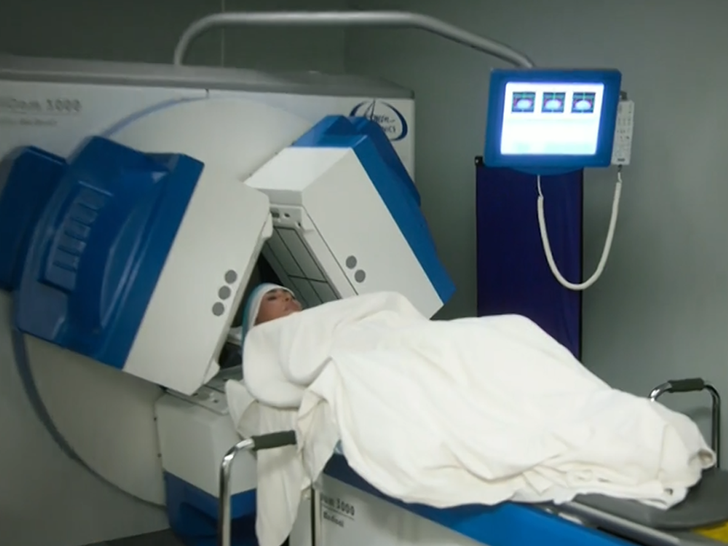
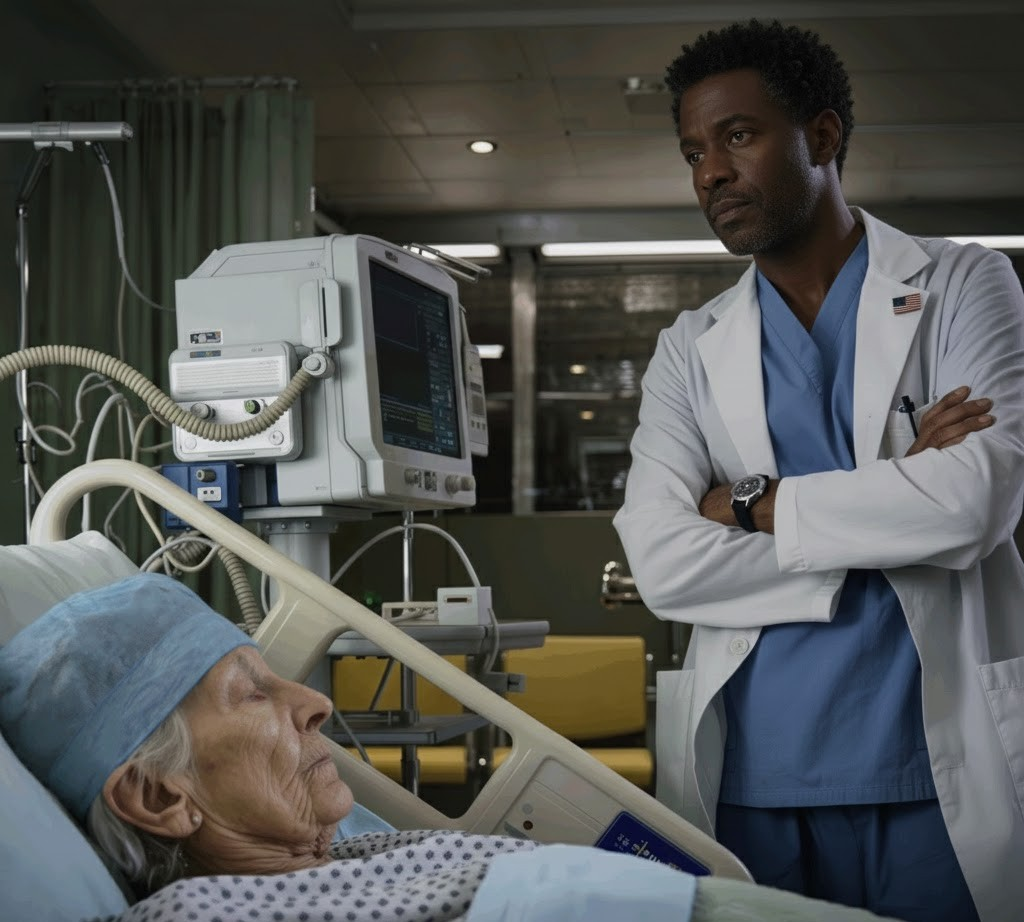
When the doctor leaned over me in the emergency room, his expression was grim in a way that made the pit in my stomach drop even lower. He told me there was internal bleeding. A fractured pelvis. Possible organ damage. They needed to operate immediately. Critical condition. Life-threatening complications. Words you never expect to hear about yourself. Words that should make the world stop. I whispered for my son — or maybe I only thought I did. The doctor nodded and said they would contact him. The last thing I remember before they wheeled me toward surgery was the bright ceiling lights blurring above me and a nurse squeezing my hand as if she already knew how the next part of my night would unfold.
When I woke up after the surgery, everything hurt. My throat felt raw, my stomach burned, and my arms were covered in tubes and wires. For a moment, I didn’t understand where I was or what had happened. Then the memories hit me like a second collision, and my eyes opened fully. My heart thudded in my chest as I scanned the room for him. My son. My only family. The only person I thought I could rely on without a single doubt. But the chair beside my bed was empty. The room was painfully quiet. A loneliness I had never felt before seeped into me, cold and heavy.
The nurse entered quietly, checking my monitors with gentle precision. When she noticed I was awake, her expression softened. I forced out a whisper, my voice trembling with more than just pain. “My son… is he here?” She hesitated — just long enough for my stomach to twist. Then she placed a comforting hand on my arm and said, “The doctor called him, sweetheart. He… he said he wasn’t able to come.”
I didn’t understand. I blinked at her, convinced the pain medication was making me hear things incorrectly. Ethan wasn’t able to come? My son, the same boy who used to run to me when he scraped his knee? The same young man I worked double shifts to support through college? The same person who once said I was the only constant in his life? He didn’t come?
I asked her what he said, and the nurse looked away for a moment, as if trying to soften the truth. “He said… he was busy. He said he’d… check in tomorrow.” Busy. My son said he was busy. On the night his mother almost died. On the night the doctor told him my condition was critical. On the night they weren’t even sure I would make it through the surgery. Busy. The word echoed in my mind like an insult, like a slap, like a betrayal I never imagined possible.
The hours passed slowly, painfully, as I lay there thinking about every memory I had with him. His first steps. His first day of school. The times I stayed awake all night when he was sick. The nights I waited up worrying when he stayed out late. The meals I cooked. The birthdays I planned. The sacrifices I made quietly, proudly, without ever asking for anything in return. And there I was — alone in a hospital bed, broken, fragile, terrified — and he couldn’t be bothered to show up.
When he finally called the next afternoon, his voice was casual, almost irritated. “Mom, they said you’re fine now, right?” I stared at the phone in disbelief. “Ethan,” I whispered, “I could have died.” There was a pause, but not the kind I hoped for. Not the kind that meant regret, fear, or love. “Yeah, but you didn’t,” he replied with a sigh. “And I had things to do. You know how busy I am. You shouldn’t make everything so dramatic.” Dramatic. He called nearly dying dramatic.
Something inside me broke that day — not just bones or tissue — but a truth I had lived by. The truth that a mother’s love is always returned. That your child will care for you the way you cared for them. That family is unconditional. But the reality hit me harder than the car ever did. Love isn’t always reciprocated. Devotion doesn’t guarantee loyalty. And sometimes the deepest wounds come from the person you would have sacrificed everything for.
The doctors told me it would take months to heal — physically, at least. I learned to walk again step by slow step, clutching the sides of the hospital rails as if my strength was leaking out through every scar. I went home eventually, though it didn’t feel like home anymore. The silence in my house felt heavier than it used to. The framed photos of Ethan on the mantel seemed to stare back with painful memories. I tried to tell myself he was just stressed, just overwhelmed, that maybe when he saw me he would feel remorse. But when he visited — two weeks later — he stood at the doorway with his arms crossed, barely glancing at the bandages that wrapped my torso. The conversation was short. Cold. Practical. He asked about bills, about the insurance, about when I’d be “back to normal.” He didn’t ask how I felt. He didn’t hug me. He didn’t stay long.
After he left, I sat on the edge of my bed and wept in a way I never had before. Quiet, broken sobs that came from a place deep inside me — a place I didn’t even know existed. The kind of pain that isn’t physical, not something any doctor could fix. The pain of realizing you are alone in a world where you once thought you had someone.
But life has a way of revealing unexpected truths in the darkest moments. A neighbor I barely knew started checking on me every morning. A co-worker from years ago sent meals and visited with the gentleness of someone who truly cared. The nurses at the hospital became more like friends than caretakers. I began to see that family isn’t always blood — sometimes it’s the people who choose to show up even when they don’t have to.
Ethan’s absence became a kind of clarity. A painful one, but clarity nonetheless. I stopped expecting him to change. I stopped basing my worth on his affection. I realized that survival isn’t just about living through an accident — it’s about rebuilding your life after the people you love shatter your heart. And slowly, piece by piece, I did rebuild. I learned to walk without the railings. I learned to breathe without the weight of disappointment crushing my chest. I learned to exist not as someone waiting for her son to show up — but as someone who deserved love from people willing to give it.
On the next Thanksgiving, I set the table for myself, decorated it with a single candle, and cooked a small meal. Quiet, but peaceful. Not lonely — just different. I whispered a thank-you to the universe for giving me a second chance. A chance to live for myself, not for someone who didn’t value me. A chance to heal wounds no one could see. And as I took the first bite of pumpkin pie, I realized something I never thought I’d understand: sometimes the hardest thing in life is letting go of the person you love most, but sometimes it’s also the only way to save yourself.
Because I survived the crash.
But surviving the truth — that took far more strength.