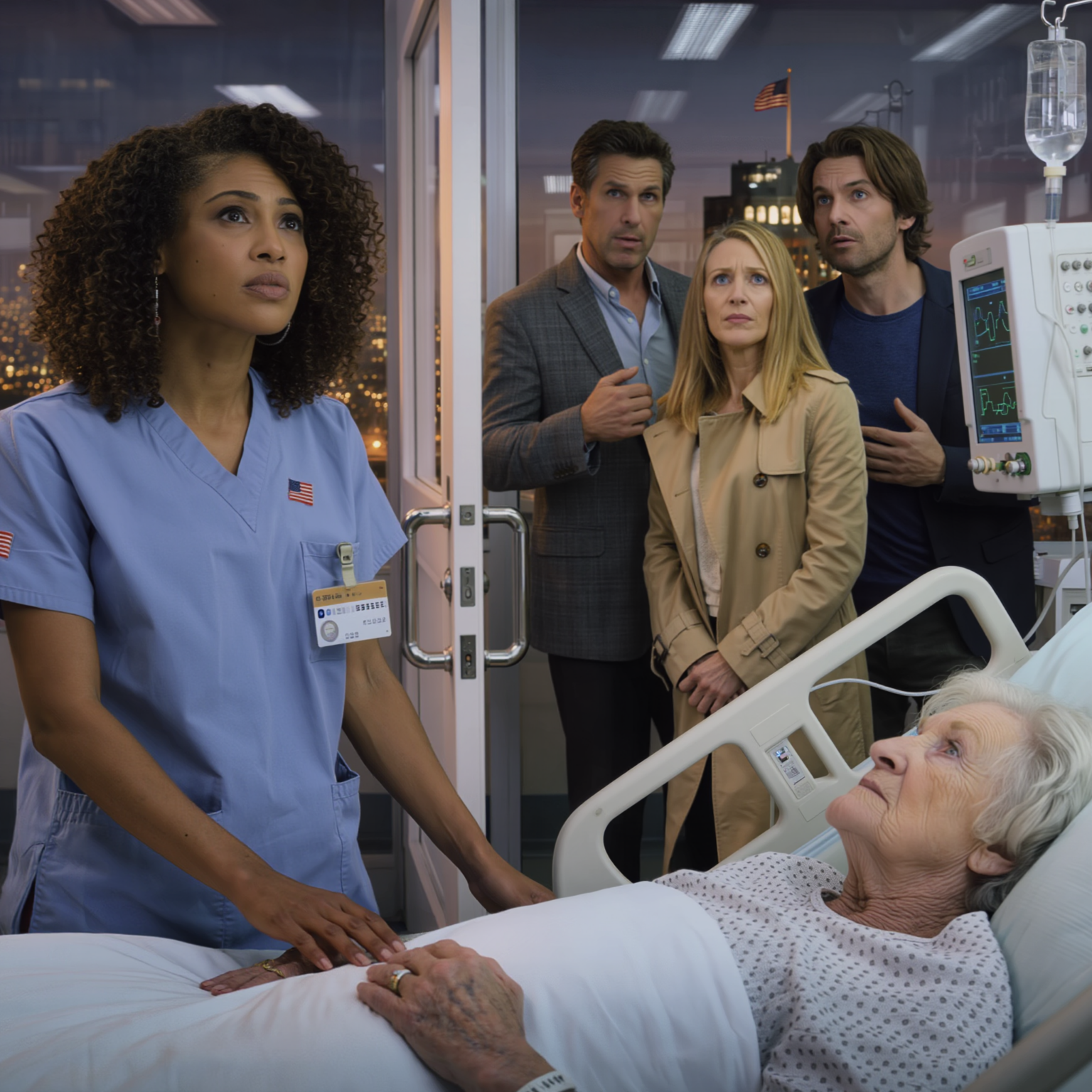
The first sensation I remember is the beeping of machines, that cruel rhythm that marks not life, but the question of whether life will continue. It echoed in the room with an indifference only hospitals can create. I was awake, but faintly, as if my body had climbed out of its own grave to test whether the world still required me in it. The doctor’s voice floated above me, clinical and careful, explaining that the stroke hadn’t taken me, but it had tried with determination. I blinked. I remember thinking that blinking meant I was still here, still present, still attached to this Earth in a visible way. But then I heard a whisper near my bed, one that didn’t belong to the doctor. My eldest daughter said, just softly enough for the room to pretend it wasn’t spoken: “She won’t last long. We should start preparing.” Preparing. Not healing. Not visiting. Not holding my hand. Preparing for my exit.
Three children. Three adults I raised from scraped knees and hunger and night terrors and high fever. Three promises of my youth, my energy, my sleepless years. They stood around me with faces perfectly composed, concerned but calculating, the way vultures behave with silent etiquette. My oldest, Clara, arranged my blanket as if she were doing something gentle, but I saw her eyes flick toward the nurse’s clipboard—time of admission, vital stability, prognosis. My middle son, Daniel, paced near the window, tapping his phone, already coordinating something I couldn’t yet see. My youngest, Lily, kept glancing at the door, impatient not with grief, but with delay. I lay there between tubes and oxygen lines, realizing not that they didn’t think I’d live, but that they didn’t care whether I did.
When I slipped back into sleep, they acted. I didn’t know it then. I didn’t know anything then. The body can be unconscious while memory remains painfully alert, collecting impressions the mind does not want to keep. When I woke again two days later, my doctor informed me that my condition had improved miraculously. I would need physical therapy, but I would walk again, speak again, return. He smiled like he believed it. But sometimes survival isn’t victory. Sometimes survival is only the moment you learn who was waiting not to grieve you, but to claim everything you could no longer protect.
The nurse leaned over me one morning with a softness I now recognize as pity. “Your family has been coordinating things,” she said, not unkindly. I didn’t yet know what coordination meant. I only knew absence. My children no longer came daily. Instead, they arrived in brief, distracted bursts, just long enough to take calls in the hallway and whisper instructions to one another. When I asked, cautiously, what was happening, Clara smiled a restrained, professional smile and said, “Mom, while you’re resting, we’re helping organize your affairs. You don’t need to worry.”
Organize.
The word sat in my mouth like metal.
When I was finally stable enough to sit upright, they brought me papers. Legal papers. Updates to titles. Power of attorney. Transfer authorizations. “Just so things won’t be complicated later,” Clara said, tapping the signature lines. I saw no funeral arrangements, only divisions: the lake house in Maine, the Florida condo, the antique piano I inherited at nineteen, the jewelry I never wore because some diamonds are too heavy to live in public. They had listed everything, all with market estimates written in Daniel’s neat handwriting. “This is easier for everyone,” he murmured, not wanting me to speak or think, only to sign.
I did not sign.
I was weak, but I wasn’t gone.
Their visits became colder after that, like they resented the inconvenience of my breath. When they left the room, I asked the nurse to read me their conversations—she had overheard more than they realized. The words she repeated were not the language of caretaking but liquidation. “The beach house alone covers two-thirds of it,” Daniel had said. “We can list by Friday.” “The TV, the crystal set, the rugs—just get rid of them,” Clara had replied. “An estate sale is normal,” Lily chimed. “People do this all the time. We just started early.”
Early.
Early.
Early.
In their minds, I was not recovering. I was delaying my death just long enough to be inconvenient.
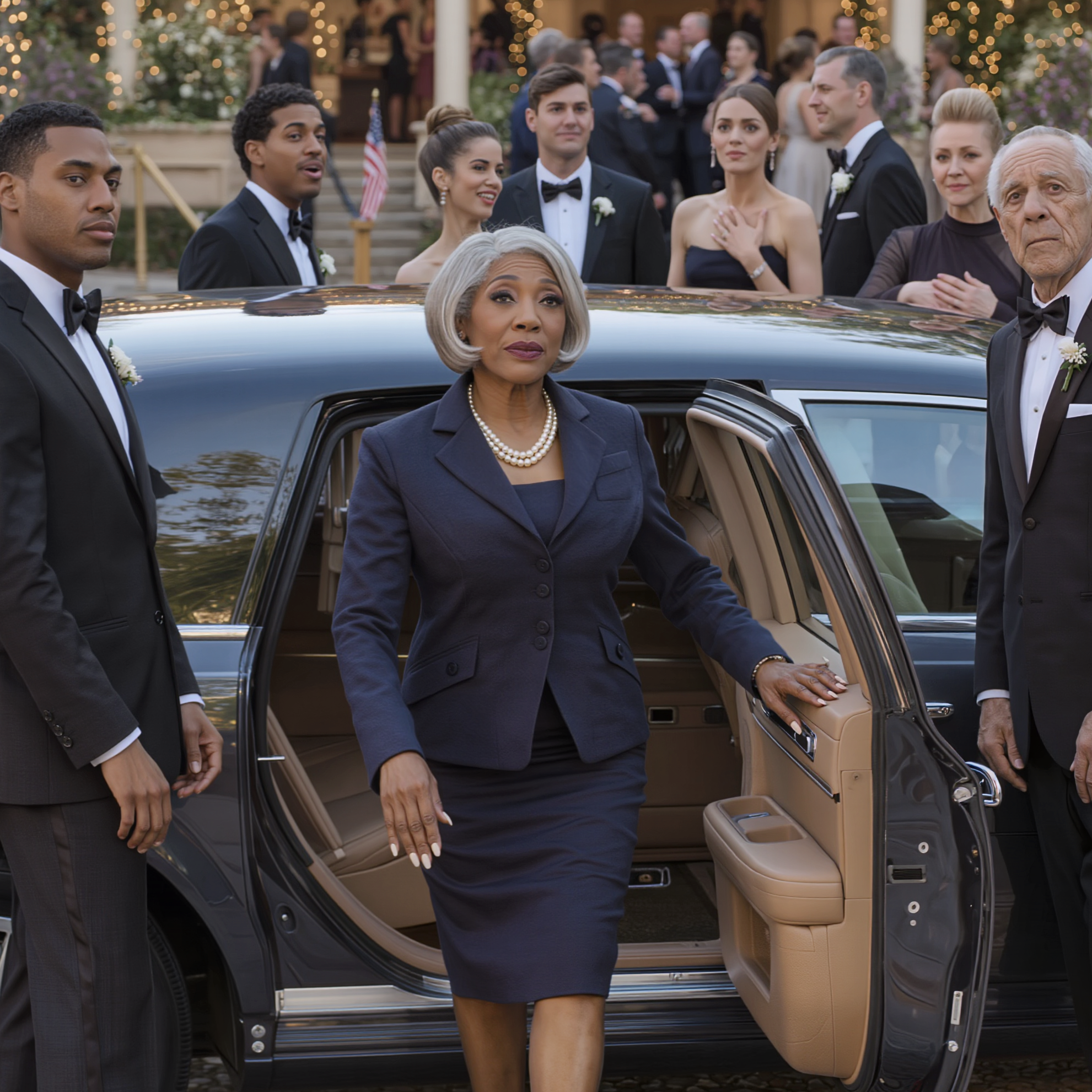
They threw a dinner. Not a vigil, not a gathering of love or prayer, but a celebration. They didn’t call it that openly, but I know how joy stains a room even when the lights are dimmed. They rented a private dining hall in town, invited their partners, a few friends, even a lawyer I recognized from an old charity auction. They toasted the future, a future without me in it, where assets didn’t require sentiment, just division. They raised glasses of wine I once stocked in my cellar, because grief, to them, had no value—but inheritance did.
I learned this not from their admission, but from a photo. A young nurse snapped it accidentally while visiting her cousin who worked the event. She showed it to me later, unsure if she should. In it, my children stood shoulder to shoulder under chandeliers I once purchased for their graduations. They were smiling. Wide, free, relieved smiles. There is a particular brightness reserved not for weddings or births, but for those who believe the last obstacle to their freedom is nearly gone.
Me.
I counted them: three children, three champagne glasses, three toasts. I stared at the photo long enough to memorize not just their faces, but the absence behind their eyes. Not sorrow. Not fear. Not uncertainty.
Completion.
When I was discharged, I returned to a house I didn’t recognize. Not because I forgot it, but because it had been emptied, stripped, harvested. The television was gone. The rugs I collected from my travels through Morocco and Italy were replaced by cheaper pieces, or nothing at all. The cabinets had been ransacked, the jewelry trunk opened, the files and binders scattered like a storm had passed through—not of wind, but of hands. I walked through the rooms slowly, remembering laughter that once filled them, remembering birthday mornings, remembering the echo of running children before they grew into adults I did not expect.
Daniel arrived first, noticing my shock but not moved by it. “We assumed you’d move into assisted living,” he said plainly. Clara followed later, holding documents that reeked of signatures she wanted but didn’t have. “You don’t have to stay in this big house alone,” she said, voice dripping with practicality but not protection. Lily, youngest, arrived last and touched my arm briefly, the way someone touches a stranger without intent. “It’s easier this way,” she offered.
Easier for whom?
They talked in phrases, not apologies. They talked in conclusions, not explanations. By evening, I understood everything: they didn’t plan to care for me in age. They planned to acquire me. My belongings, my properties, my investments, all tidily redistributed before my heart had even decided whether to beat or rest permanently.
I did not argue.
I did not accuse.
I simply requested time.
Days passed. They separated my photo albums, deciding which memories belonged to whom. They opened account summaries and debated fairness with voices that rose not from love, but from arithmetic. I listened. I learned. I survived inside my own disappearance.
Then, quietly, methodically, I began my own work.
I contacted my lawyer—the one who actually knew me, not the one they invited to their celebration. I revised everything. Every asset, every property, every share. I designated a foundation, one my late husband admired, one that protects abandoned children and women without family support. My estate would go there. Not to spite my children, but to honor the version of motherhood I believed in, the version I practiced even when exhausted.
The last thing I revised was the house, the one they assumed would be theirs. It would be sold, but the proceeds would not go to them. It would fund a shelter wing bearing my husband’s name. My lawyer nodded, not with triumph, but with recognition of what dignity looks like when wounded.
When everything was in place, I invited them to dinner—not at my house, but in a neutral setting. A quiet restaurant with simple lighting and linen napkins that require respect. They arrived tense, expecting confrontation, accusation, perhaps desperation. Instead, I greeted them calmly, with posture not of weakness, but of someone who has walked through betrayal and returned intact.
I laid the documents on the table.
Their names were not there.
Not forgotten—simply removed.
I explained not with cruelty, but neutrality. “You prepared for my end. You sold what wasn’t yours. You celebrated before I left. I will not leave you with the assumption that love requires reward.”
They stuttered, protested, rationalized. Clara tried to soften her voice, Daniel tried to mask rage with logic, Lily tried to summon tears she didn’t feel. I listened only because listening is the final courtesy of parenthood.
By dessert, there was nothing left to say.
My children walked away from the table that night without the legacy they expected. They gained only knowledge—the kind that arrives when entitlement meets consequence.
At home, in my half-empty living room, I sat in the quiet not as someone stripped of possessions, but as someone freed of illusions. Family built on inheritance is not family. Love measured by property is not love. They wanted conclusion. They wanted closure. They wanted a life without me, dressed as a celebration.
So I gave them what they asked for.
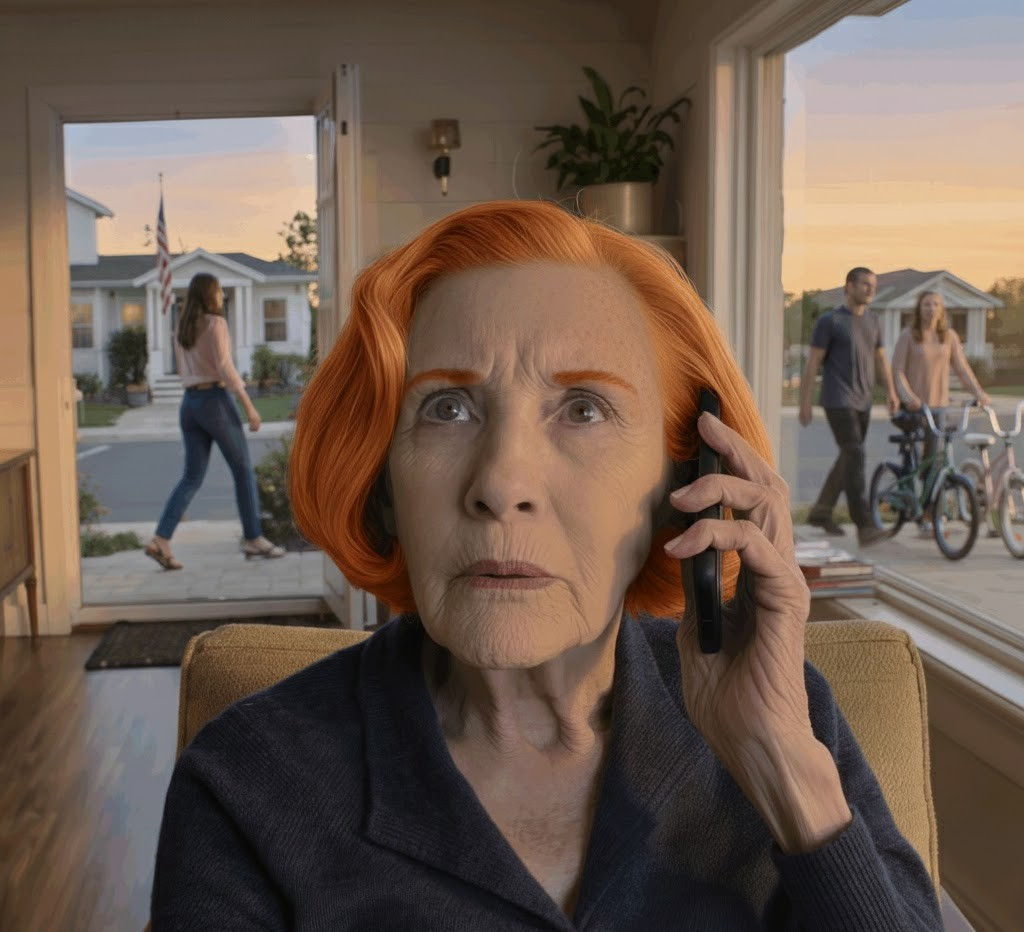
Now, when I wake, there are no machines. No signatures. No vultures waiting for expiration. There is only breath, deliberate and unhurried. I drink my tea alone. I open windows. I water plants. I exist without being appraised.
They will live their lives, perhaps regretfully, perhaps bitterly, perhaps numb. But I will live mine knowing I did not leave this world feeding their hunger for what they did not earn. I will leave it building something kinder, something I pray they someday understand.
Some deaths are physical. Others are relational.
I did not die.
I only ended the version of motherhood that required me to accept their celebration of my absence.
And now, at last, I live.