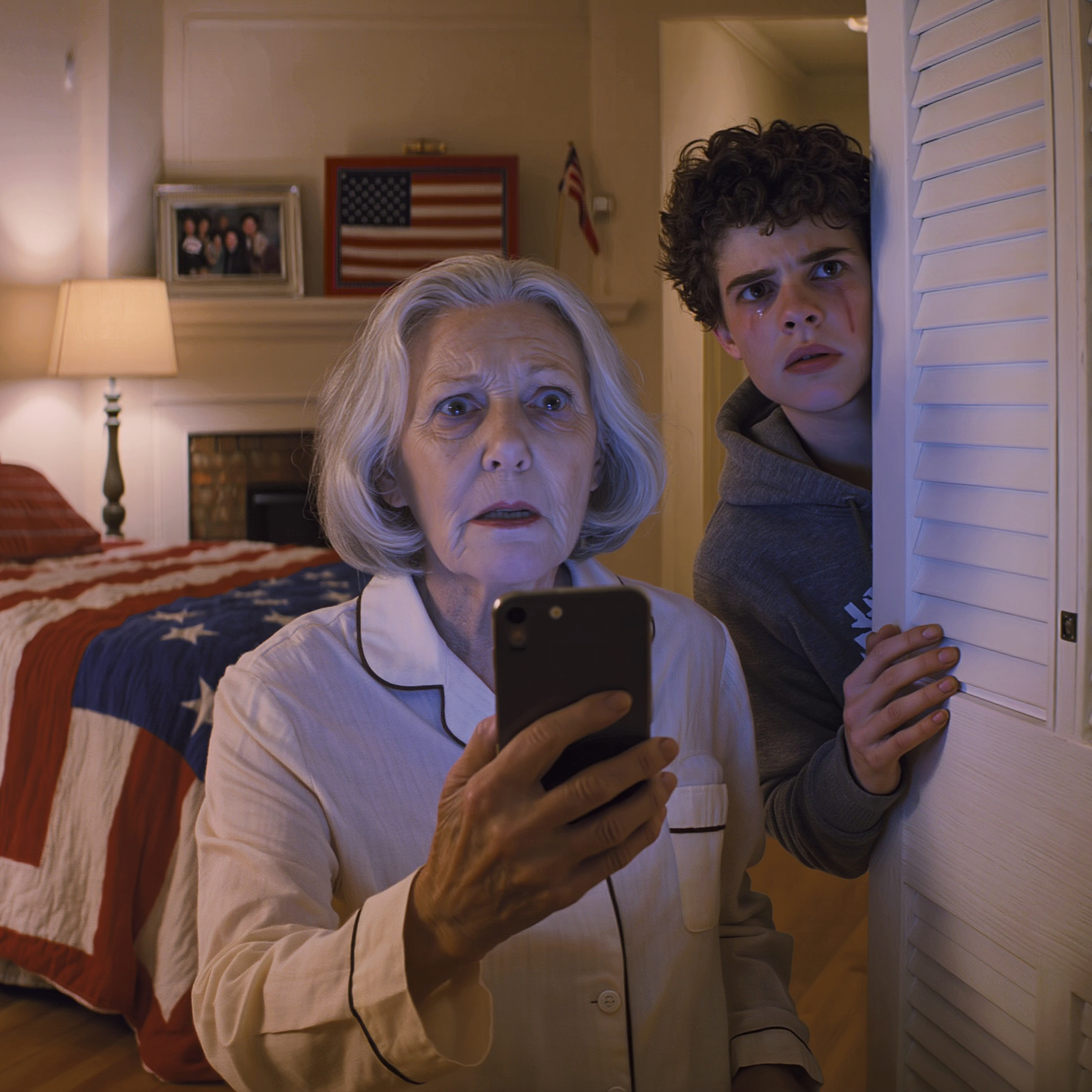
I remember the exact sound of the clock the day I stopped waiting. That little tick… soft, stubborn, and endlessly patient, unlike the adult children who once swore they would never cut me out. When my youngest left home, they promised calls, holiday visits, birthdays remembered, grandchildren dropped by for flour-dusted cookies and tea. Instead, my phone became a ghostly object. I kept it charged for voices that never came, left the porch light on for silhouettes that never appeared, baked cakes that went stale untouched on lace plates, and wrapped Christmas gifts that ended up collecting dust in the closet. For twenty entire years, I called, texted, mailed letters, left voicemails with trembling breath. And every single one sat unanswered, unreturned, unseen — but not unfelt. Because neglect has a pulse, and in that house, it beat louder than my heart.
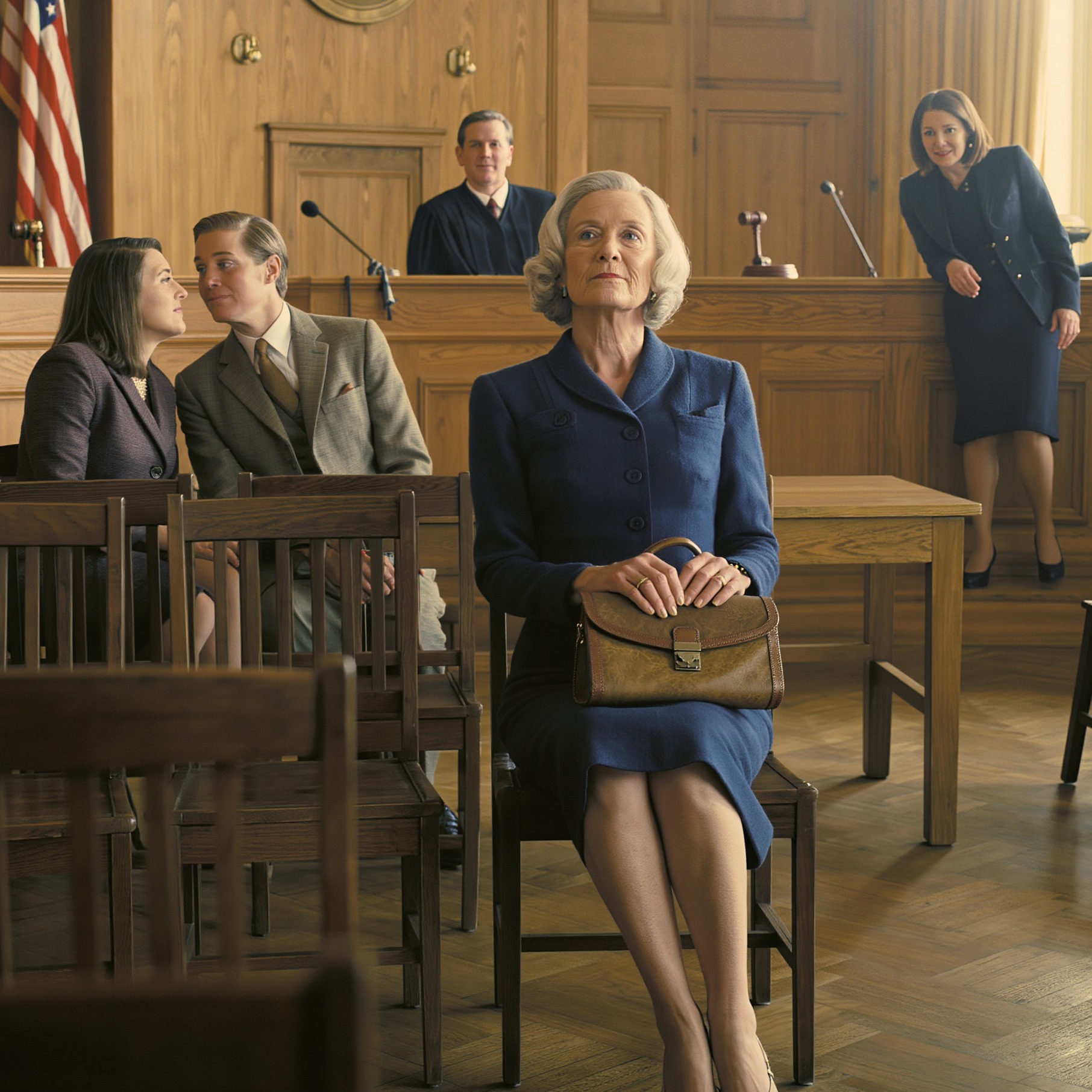
When my birthday came, I sent reminders with those playful emoji faces, just in case they forgot. They saw them — I could see read receipts sometimes — but still silence. When my husband’s anniversary of death came around, I left messages saying it would mean the world if they called, if only for a minute. Nothing. When my health sank low and I was told to take it slow, I sent them updates, because that’s what mothers do — one more hopeful thread thrown toward children who had long cut the rope. Then, on New Year’s Eve, alone with a sparkler dying in my hand, I looked around that house — the house I raised them in, the one filled with handprints on the hallway wall and pencil marks showing their height each year — and I realized I had become a museum no one cared to visit. A mother without an audience. A woman packed in cobwebbed memories, waiting for footsteps that didn’t remember the way back. So I stopped. Just like that. As quietly as they disappeared from me, I disappeared from them.
I changed my name first. Something my tongue was unfamiliar with, something that didn’t have a past attached to it. It felt cold at first, then strangely relieving, like shedding an entire life of expectation. Next, I sold the house — the one they thought would always remain, frozen in time, waiting for their triumphant return like prodigal heirs. I sold the furniture, the photo frames, even the piano they once fought over. I did not leave a forwarding address. I did not leave a phone number. I did not send a letter announcing my emotional funeral. I simply closed the door and walked away with one suitcase and a heart no longer waiting to be touched.
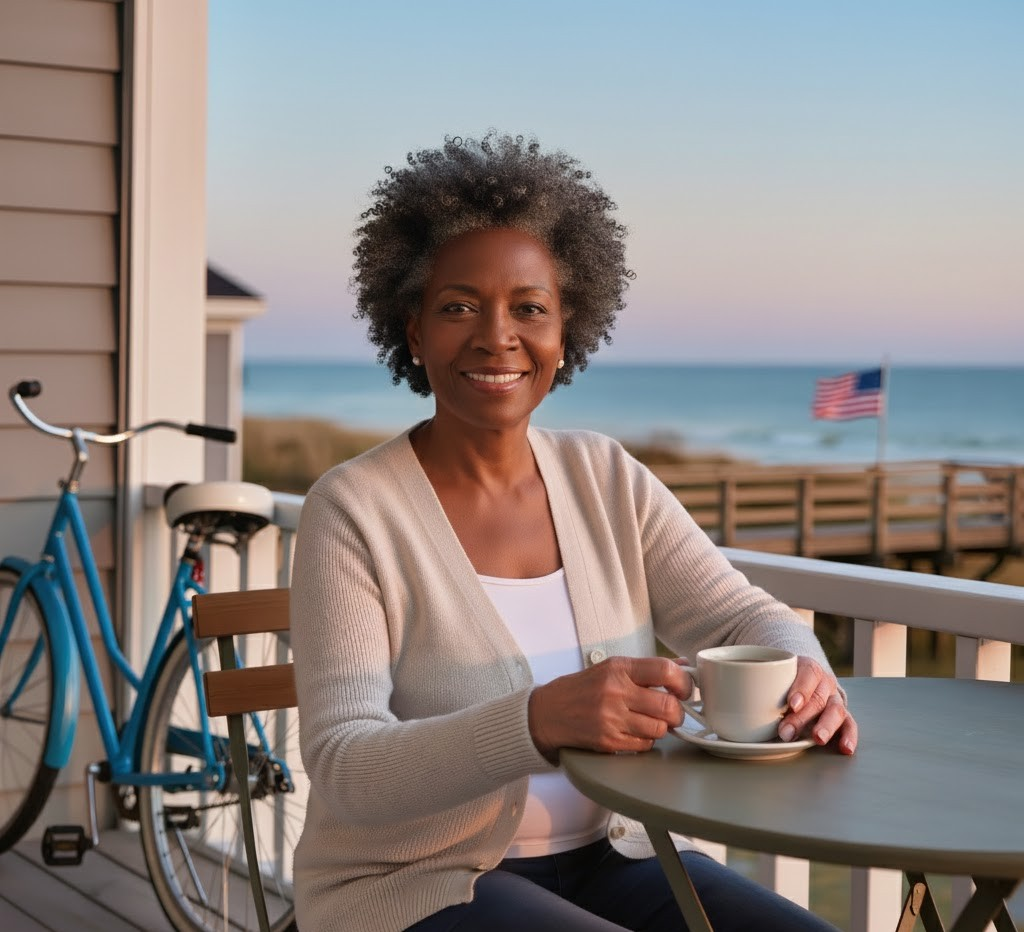
I moved to a coastal town where no one knew me. Where no one asked why my hands sometimes trembled when the phone rang, or why I flinched at family gatherings in restaurants overheard through windows. I crafted a new identity with deliberate precision. I dyed my hair. I bought watercolor paints and began filling notebooks, as if the blank pages were offering an apology for the years when I had been invisible. I took long morning walks past fishermen hauling nets and elderly couples holding hands, half jealous, half comforted by proof that some bonds still existed in the world. For the first time in two decades, I slept without clutching a phone to my chest and without praying for a ringtone.
Time stopped being a wound. It became neutral, like the tide. Faces in town grew familiar. I became “the lady in the blue cottage” instead of “Mom” or “the one waiting by the window.” The bakery owner began greeting me by name, and the café across the pier always saved me the seat with the ocean view. Strangers turned into acquaintances, acquaintances into soft community. Slowly, my heart unclenched. I became someone new — someone whole without being needed.
I never expected the past to knock. But the past is arrogant like that — it assumes the world will always open for it.
Twenty years after they last returned a call, I opened my door to three adults who barely resembled the children I raised. Their hairlines had shifted, their eyes hardened in busy-city ways, their clothes sharp and expensive. They looked like people who had been fed love by others, not by me. They said my birth name first — the one etched on school forms and bedtime notes — and I didn’t respond. Not out of cruelty, but out of truth. That name belonged to a woman buried under years of longing.
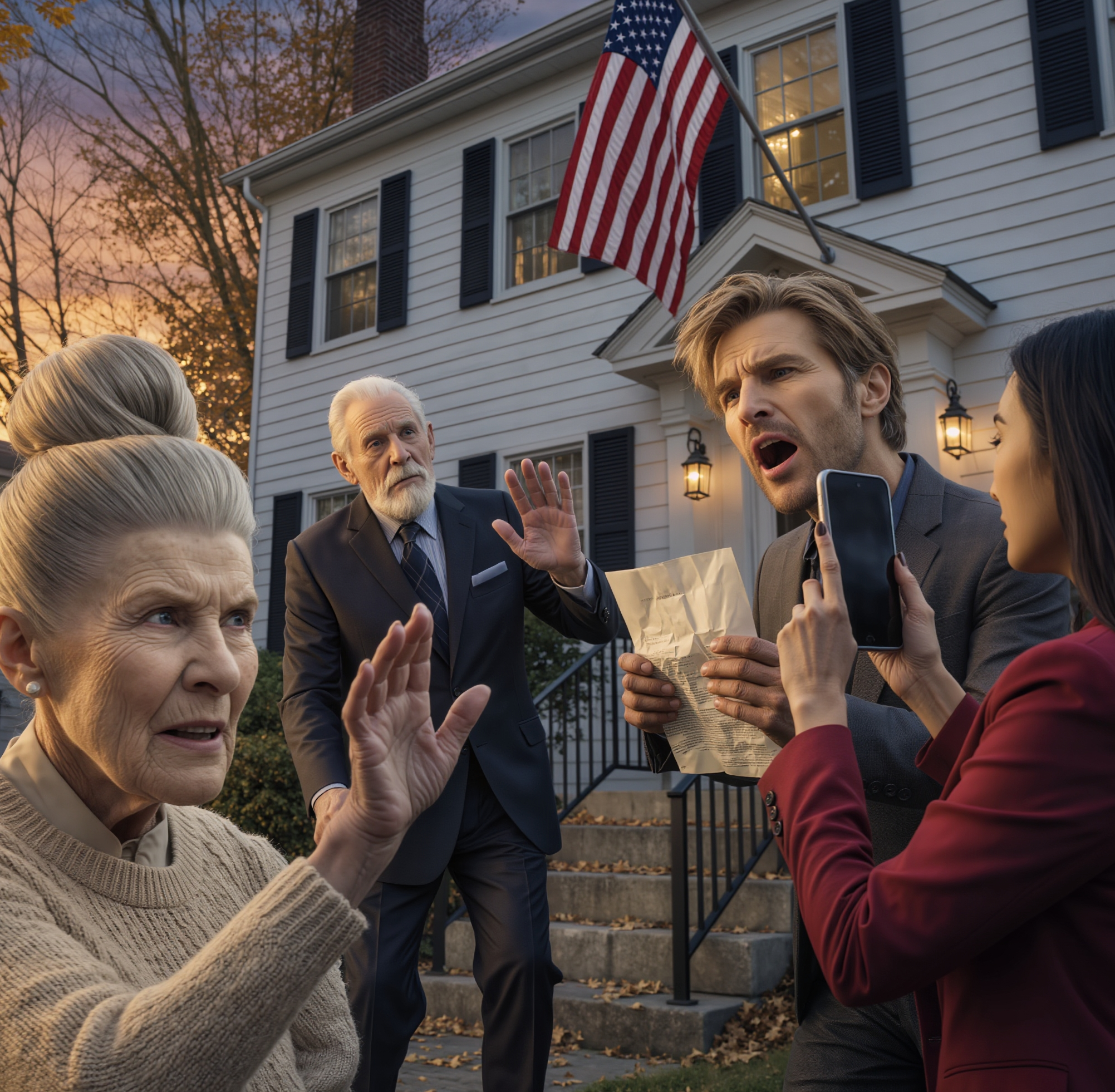
My oldest spoke next, voice controlled, rehearsed. They had been calling, they said. Messaging. Searching online. How dare I vanish, they implied. They demanded explanations — why would their own mother choose to disappear instead of remaining available like old wallpaper? They stood there, in my doorway, with expressions demanding a reunion story that smelled like forgiveness.
I said nothing. Because forgiveness is not a door one swings open simply because guilt finally knocks.
Then came the real reason for their sudden resurrection: a crisis. Of course. It is easy to rediscover motherhood when inheritance, children, childcare needs, or divorce complications suddenly require her. They needed me to come back with my softness, my service, my endless well of giving. They needed emotional labor deposited on their terms, like picking up a saved rental. They expected tears, an embrace, tea set out and fresh cookies waiting.
Instead, they met someone who learned to live beautifully in her own absence. Someone who no longer needed their presence to breathe.
They asked why I changed my name. Why I sold the house. Why I erased “everything we ever were.” But that was the thing — I hadn’t erased what we were. They had. Piece by unanswered piece, holiday by ignored holiday, voicemail by cruel silence. When you abandon a mother for twenty years, you are not guaranteed the same mother upon return.
I told them — without trembling — that I wished them well but that I no longer existed in the story they remembered. I told them I had new friends, a new life, new responsibilities that did not bend around their sudden remorse. They looked offended, baffled, as if consequences were an unfamiliar concept. Still, I stood steady. They left finally, after muttered blame and frustrated sighs. They assumed this chapter could be reopened simply because they felt ready to read it.
But I had finished the book.
After they left, I sat by the window where the sea stretched indifferent and majestic, and I realized the strangest truth: I did not feel loss. I did not feel rejection. I did not feel the holes they once left. I felt… free. Exquisite, quiet freedom — the kind that grows only after a woman has stopped begging to be remembered.
Sometimes I still hear that clock, that gentle tick of an old life that once defined me. But now, I hear it differently. Not as something counting the moments of absence, but as something marking the presence of me. My life. My time. My breath, no longer waiting for footsteps that don’t know the way home.
They may search again. They may send letters. They may tell the world I abandoned them — children often rewrite history when it benefits them. But I know the truth: I did not disappear to hurt them. I disappeared to return to myself.
And that is a reunion more sacred than any family could ever offer.