The text arrived early that morning, so casually written that it almost felt cruel in its simplicity. “We’re not coming. Your sister needs to rest. Hope you understand.” No call. No apology. No acknowledgment of what the day meant to me or how long I had waited for it. I stared at the message longer than I should have, my phone resting heavy in my hand, my chest tight with a feeling I knew too well — that familiar mix of disappointment and resignation that comes from realizing, once again, exactly where you rank in your own family.
This event wasn’t small. It wasn’t casual. It wasn’t something you could just skip without notice. It was the culmination of years of work, sacrifice, and quiet persistence — the kind of milestone you imagine your parents sitting front row for, smiling proudly, telling anyone nearby, “That’s our child.” I had bought them two VIP seats months in advance, not because they asked, but because I wanted them there in the best way possible. Fifteen thousand dollars each. Front row. Private access. An experience they would never have purchased for themselves. An experience I had hoped would finally make them see me the way they always seemed to see my sister.
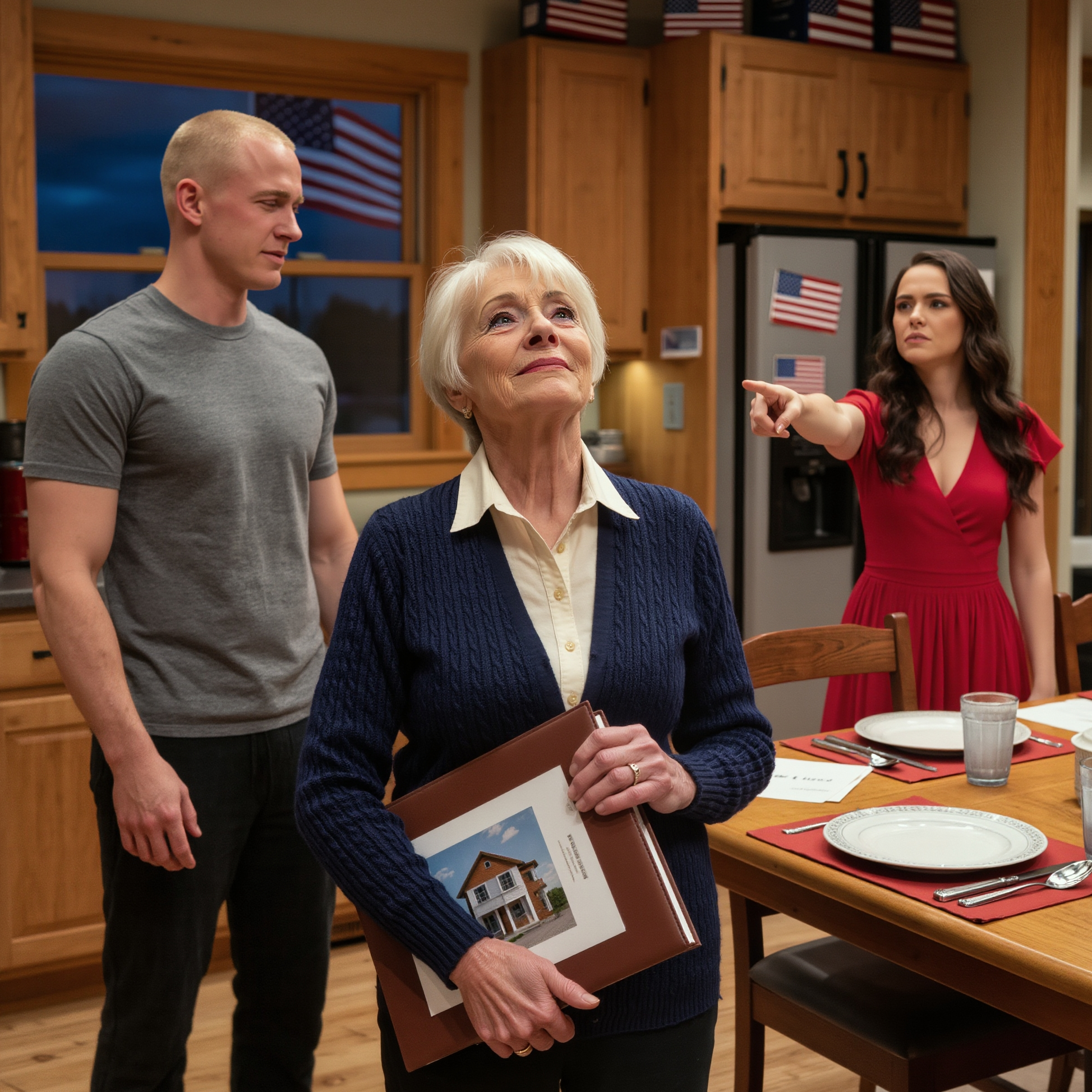
I didn’t respond right away. I set the phone down and stood in my kitchen, the morning light filtering in through the window, illuminating the stack of printed tickets resting neatly on the counter. I thought about all the other moments like this — birthdays overshadowed, achievements downplayed, celebrations postponed because my sister was tired, stressed, overwhelmed, or simply more important. I thought about how often I had told myself it was fine, that families aren’t perfect, that understanding was a virtue even when it hurt.
So I typed back, “It’s fine.” Two words. Polite. Neutral. Safe. I didn’t ask questions. I didn’t express disappointment. I didn’t argue. I had learned long ago that explaining my feelings to them rarely changed anything — it only made me feel smaller for having them in the first place.
What I didn’t tell them was what I did next.
I picked up the tickets and stared at them for a long time. Not with anger, but with clarity. Those seats represented more than money. They represented effort, hope, and the quiet belief that maybe this time would be different. And in that moment, I realized something important: I didn’t want those seats filled by people who viewed my life as optional.
I thought of someone else instead.
A colleague who had supported me from the very beginning, who had stayed late when things were falling apart, who had celebrated every small win as if it were their own. Someone who had never minimized my success or asked me to shrink it for the sake of someone else’s comfort. I called them and asked what they were doing that evening. When they hesitated, I told them to clear their schedule. I didn’t explain over the phone.
When I handed them the VIP passes later that afternoon, their reaction stopped me in my tracks. They didn’t act entitled. They didn’t assume they deserved it. They stared at the tickets like they might disappear if they blinked too hard. “Are you serious?” they asked, their voice unsteady. I nodded. “You showed up when it mattered,” I said simply. “I want you there.”
That evening, as I took my place backstage, I felt something unfamiliar settle over me — not the nervous energy of needing approval, but a steady sense of ownership. I wasn’t performing for validation. I wasn’t hoping to finally earn pride. I was standing in a moment that belonged to me, fully and without apology.
From the stage, I could see the front row clearly. I saw my colleague and their guest seated where my parents were supposed to be, their faces lit with excitement, clapping with genuine enthusiasm. They weren’t there out of obligation. They were there because they wanted to be. And that difference mattered more than I had ever admitted to myself before.
My phone buzzed once during the event. A message from my mother. “Hope everything went well. Send pictures.” I didn’t respond immediately. Not out of spite, but because I was busy living the moment instead of narrating it for someone who had chosen not to attend.
Later that night, after the applause faded and the adrenaline wore off, I sat alone for a moment and let the emotions catch up with me. There was sadness, of course — grief for the relationship I had always wanted and still didn’t have. But there was also relief. Relief that I had finally stopped bending my milestones around other people’s priorities. Relief that I had chosen presence over proximity.
The fallout came quietly over the following weeks. My sister asked, casually, who had sat in the VIP seats. My parents seemed surprised when they learned I hadn’t kept them empty “just in case.” There was an unspoken expectation that even when they didn’t show up, their place should remain reserved. That expectation was something I had honored for years without realizing it.
This time, I didn’t apologize.
I explained calmly that I had given the seats to someone who could attend and who genuinely wanted to be there. I didn’t justify the cost. I didn’t mention the pattern. I didn’t bring up old wounds. I simply stated a boundary — one I should have set long ago.
What surprised me most was how freeing it felt.
I didn’t cut anyone off. I didn’t make dramatic declarations. I didn’t demand change. I just stopped organizing my life around the possibility that they might finally choose me. And in doing so, I reclaimed something I didn’t realize I had been giving away — my sense of worth.
That night wasn’t about revenge or proving a point. It was about recognizing that love doesn’t have to be begged for, and support doesn’t have to be conditional. Sometimes the most powerful response isn’t confrontation, but redirection — choosing to invest your energy where it’s returned with respect.
I still have a relationship with my parents. It’s different now. Quieter. More honest. I no longer overextend myself to earn enthusiasm that may never come. And strangely enough, that shift has brought more balance than years of trying ever did.
Those VIP seats were expensive, yes. But giving them away taught me something invaluable: the front row of your life should be reserved for people who show up — not out of obligation, guilt, or hierarchy, but out of genuine care.
And for the first time, I didn’t feel like I had lost anything that day.
I felt like I had finally chosen myself.