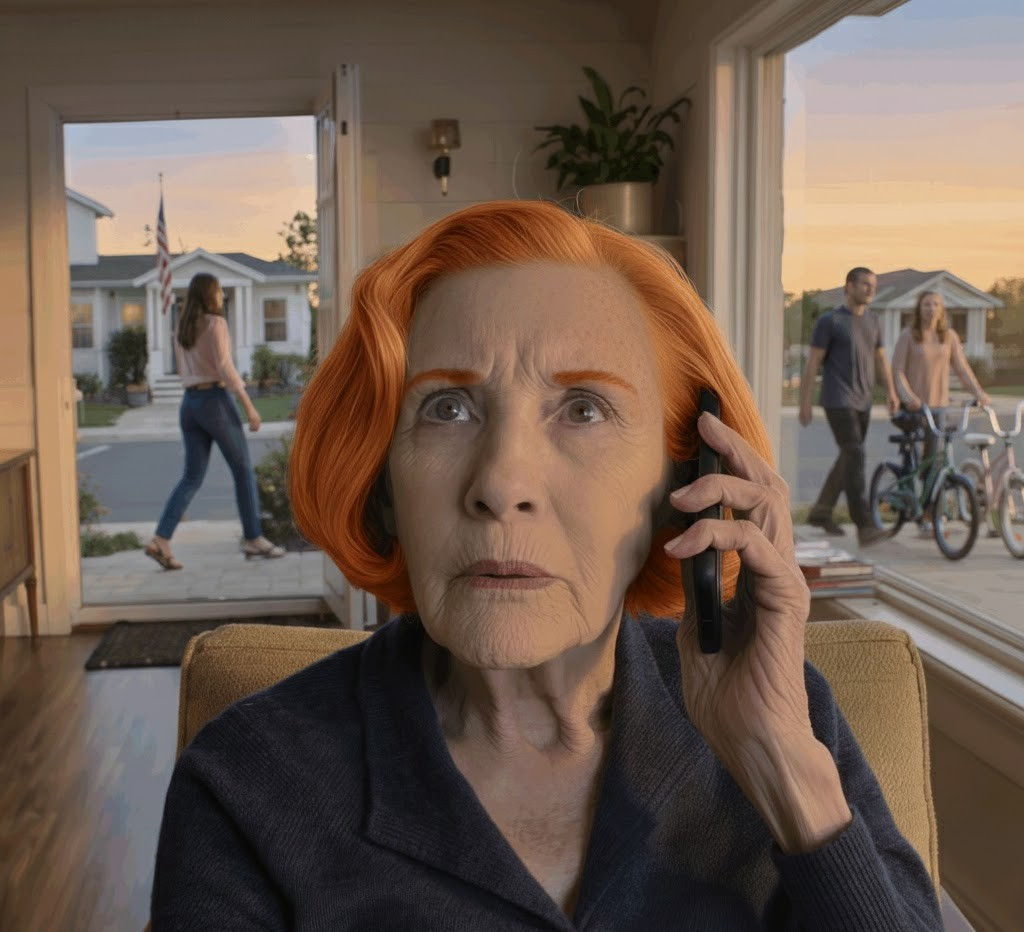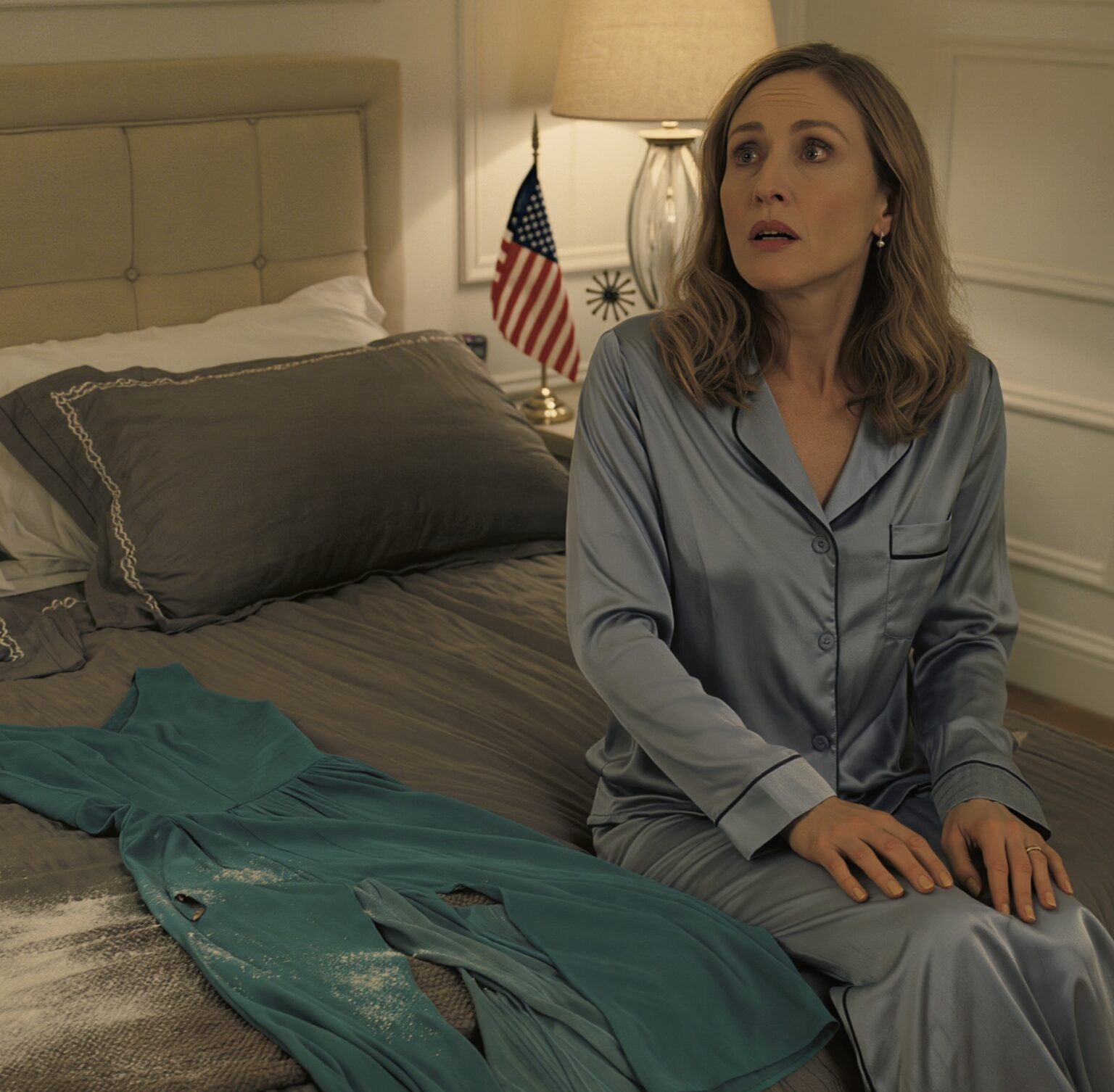
She said it casually, like it was nothing — like asking for a book instead of flowers or a restaurant gift card instead of perfume. A week before her birthday, my daughter looked me in the eyes, folded her arms, and said, “Honestly, Mom, the best gift you could give me is just… disappearing.” Her voice was flat, almost bored, but the words landed like a fist against something I didn’t know was still beating in me. I didn’t cry. I didn’t shout. I didn’t even react immediately. I just looked at her — really looked at her — like I was seeing her for the first time, and not as the little girl I used to carry on my hip, not as the teenager I stayed up late comforting through heartbreak, not as the adult I believed I’d raised with love and patience. I saw someone hardened by something I had never quite understood, someone for whom empathy had become optional, and someone for whom my existence in her world had apparently become a burden.
The rest of that day passed in a blur of ordinary tasks — coffee in my favorite mug, unread emails, a text from a friend asking about lunch next week, the quiet hum of a life moving forward in predictable patterns — but none of it felt ordinary anymore. Her words hummed in the background like a metronome set to too-loud tempo, keeping time with a realization I had been avoiding: the truth that love, no matter how deep, doesn’t guarantee appreciation. It doesn’t guarantee loyalty. And sometimes it doesn’t even guarantee basic kindness.
As I drove home that evening, the sky was the bruised purple of late summer storms, heavy and threatening but not quite unleashing anything real. I thought about her birthday party — the decorations, the guests, the cake — and I realized with unsettling clarity that nothing there belonged to me emotionally. I had been invited to her celebrations for decades, but not into the space where her heart actually lived anymore. A gift being my disappearance wasn’t a joke. It was a demand. And what it demanded from me was dignity, not denial.
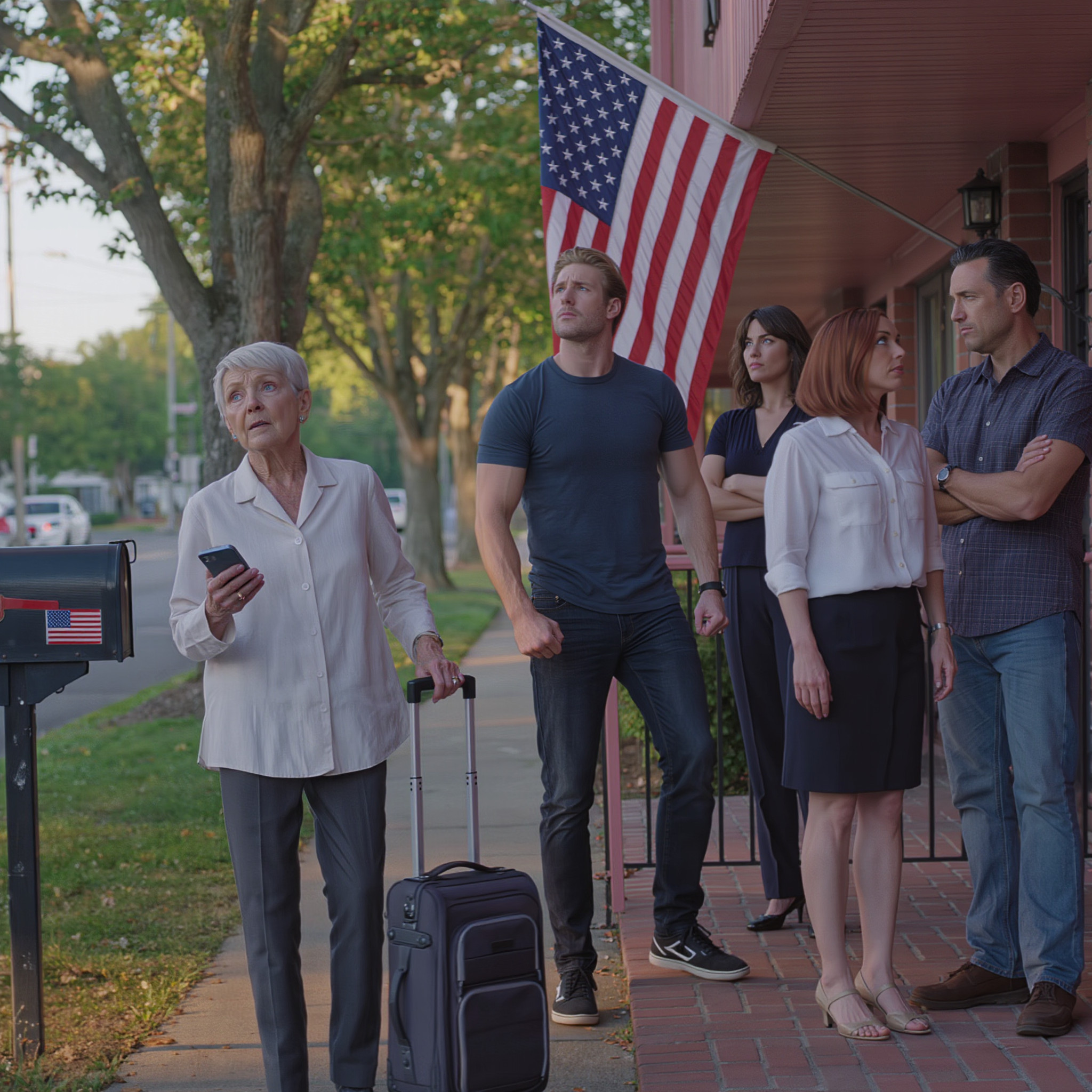
So I made a decision — quiet, intentional, and irrevocable. I went home and packed my suitcase with calm deliberation rather than panic. Not clothes. Not jewelry. Not memories. I packed myself — my integrity, my self-respect, my quiet refusal to remain present where I was unwanted. By the time the sun rose the next morning, I had severed every tie that connected me to a life where my worth was judged by whether I stayed when I was asked to leave.
I unplugged my phone. No goodbyes in text. No explanations in long emails. No dramatic confrontations. I closed the book by walking away from the page altogether. I stopped at my accountant’s office first, signed a few final forms transferring the house ownership into a trust, and made sure that her birthday gift — once meant to hurt — would no longer have any claim on my home or my future legacy. I sold the furniture that held too many echoes and undelivered affections. I closed my joint accounts and opened new ones under my name alone. I deleted the addresses, changed email passwords, rerouted mail to a rented post box downtown. By dawn, every thread that once tied me to that world had been gently unpicked.
When I think about it now, the action that felt hardest was not the physical logistics. It was the emotional unfastening of a story I had lived believing: that love would always be returned, that family ties were unbreakable, that my presence in their lives was something joy-inducing rather than irritating, exhausting, or disappointing. Letting go of those assumptions wasn’t instantaneous. It was slow, like watching fog lift from a lake: first you see the surface tremble, and then suddenly the entire landscape is clear.
After I left, I didn’t disappear completely from her orbit. I watched from a distance as her birthday arrived — photos of ribbons, candles, and a cake frosted in bright colors. None showed me. None included my name in captions. But what did strike me was how small her smile looked in those images, as if the joy she expected didn’t quite reach her eyes. Maybe that was just my interpretation. Maybe it was projection. Or maybe it was the quiet echo of a wish unfulfilled on both sides.
In the weeks that followed, I settled into a modest apartment near a lake I’d always admired from afar but never visited. I filled my mornings with walks through tree-lined paths, afternoons reading in quiet cafes, and evenings with people who greeted me with warmth and curiosity rather than annoyance and entitlement. I learned that sometimes, home is not where your roots are buried, but where your heart feels seen and welcomed. My phone remained mostly silent at first — not because there was no one trying to reach me, but because I had finally uncluttered my life of voices that did nothing but echo with resentment.
A few messages trickled through eventually, awkward attempts that sounded like, We didn’t mean it like that and Can we talk? I didn’t respond. Not immediately. Not out of malice — but out of mindfulness. Some invitations are more painful than they are productive. Some apologies are more convenient than they are sincere. Waiting for the right moment to discern the difference is part of reclaiming yourself after years of giving parts of yourself away.
Months later, when I finally did reply to a tentative text from my daughter — not with recrimination, not with anger, but with clarity — I wrote only this: I love you — but love is not an obligation. If you want a relationship with me, let it be one grounded in respect, not dismissal. I didn’t push for explanations. I didn’t demand answers. I offered truth with boundaries — a more powerful gift than any present wrapped in shiny paper and forgotten beneath a birthday banner.
Sometimes people ask if I regret what I did — disappearing like that, severing ties so completely. My answer is always steady, never dismissive, never bitter: No. I regret only that it took me so long to see the difference between love that nourishes and love that demands your disappearance in order to feel comfortable. What I gained was not freedom from responsibility, but freedom to be responsible for myself. That is nothing short of life-changing.
A daughter once asked for my disappearance as a birthday gift.
So I gave myself the gift of standing in my own worth instead.
And that gift — unwrapped slowly, appreciated deeply — has been the greatest birthday present of all.