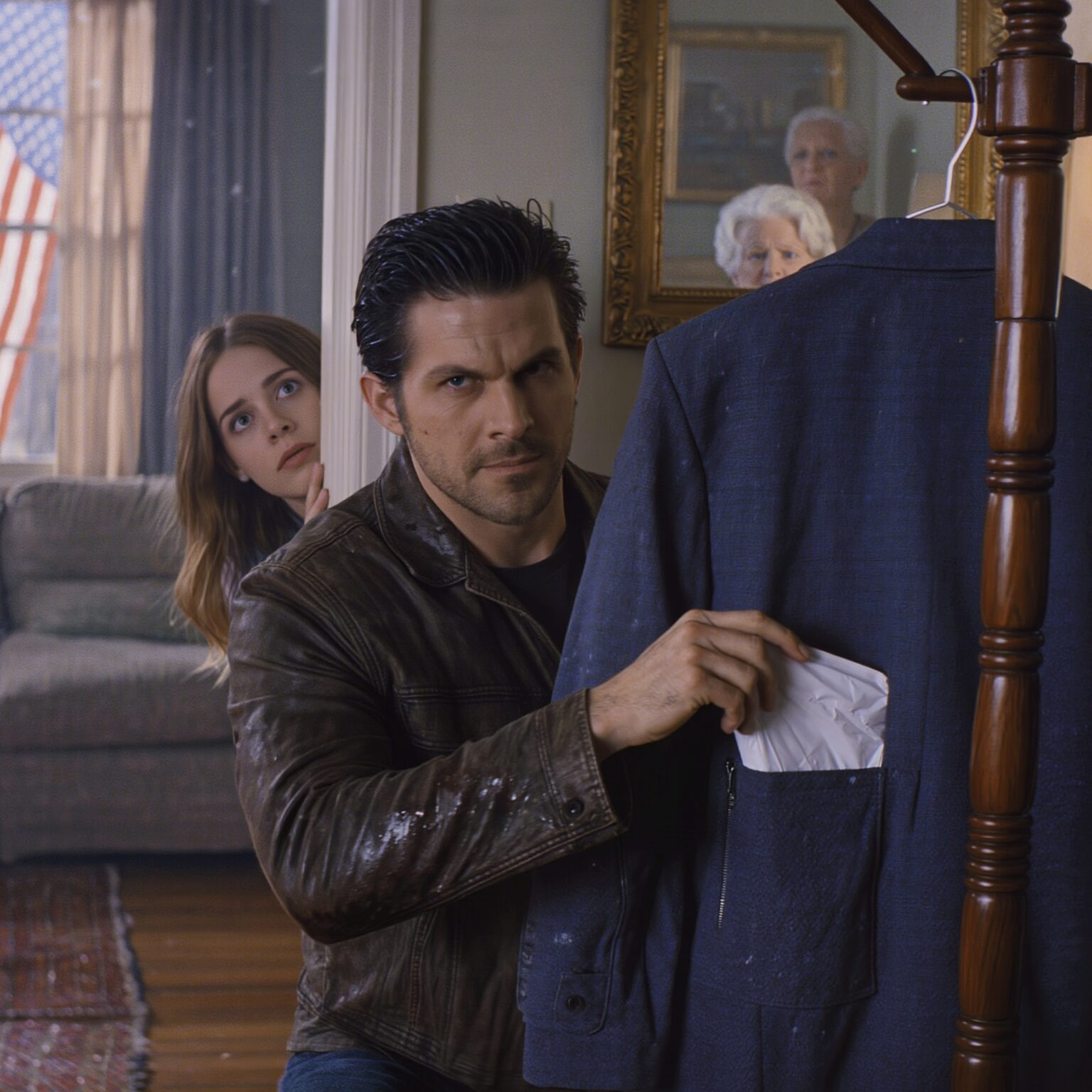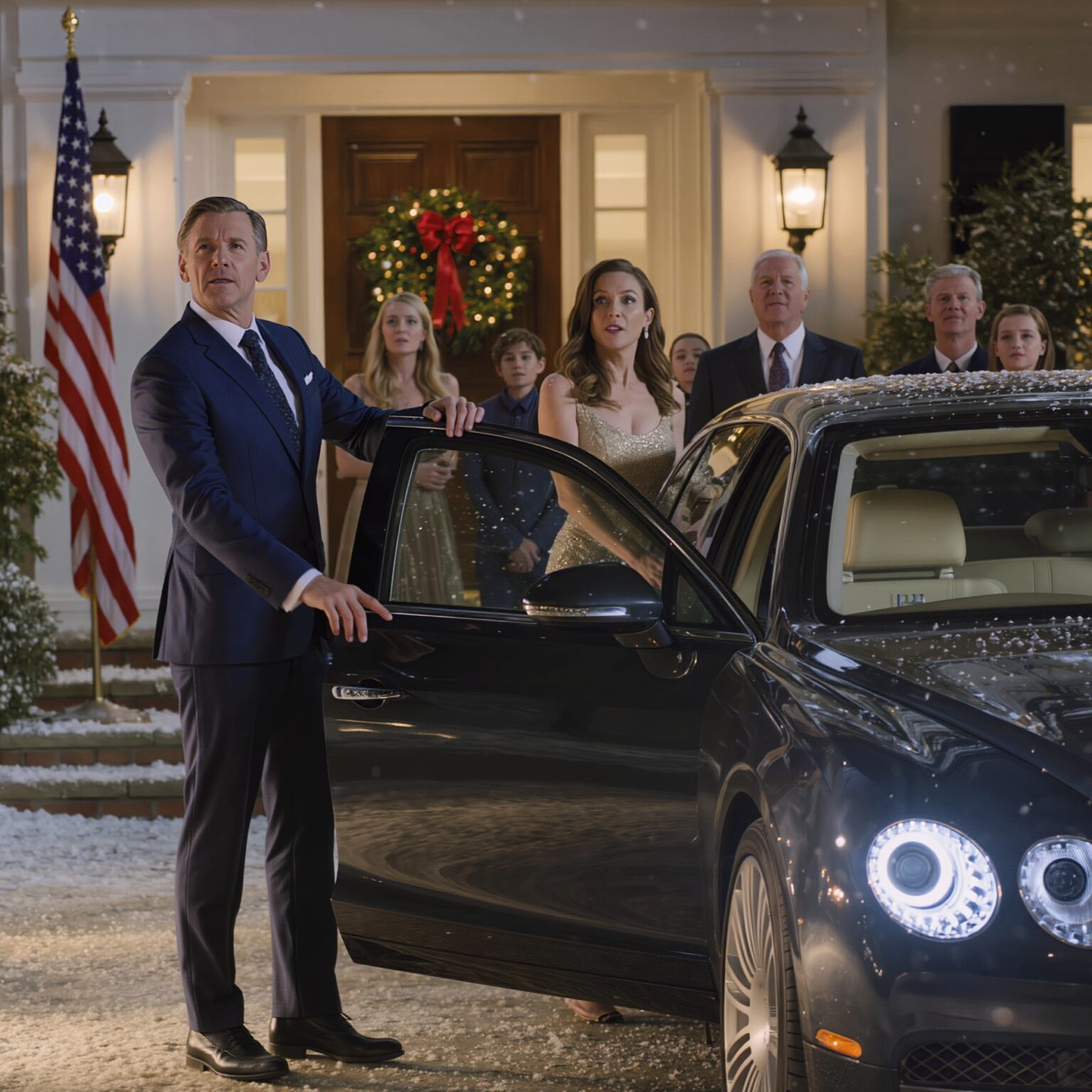
I remember the smell of incense in the chapel, the sound of whispered condolences, and the heavy weight of that polished Italian marble as they lowered my husband into the crypt we had chosen together not long before his so-called “final illness.” I remember the precise number — $90,000 — carved into my memory not as a financial figure, but as the cost of closure that I paid with every tear I shed until my eyes felt hollow and dry. I remember walking away from that grave site with his urn beneath the marble and an ache in my chest that felt like an unfinished sentence. Six months passed like a slow, relentless wind — days bleeding into nights, weeks into months, each one defined by absence and the echo of memories that seemed too large to carry alone.
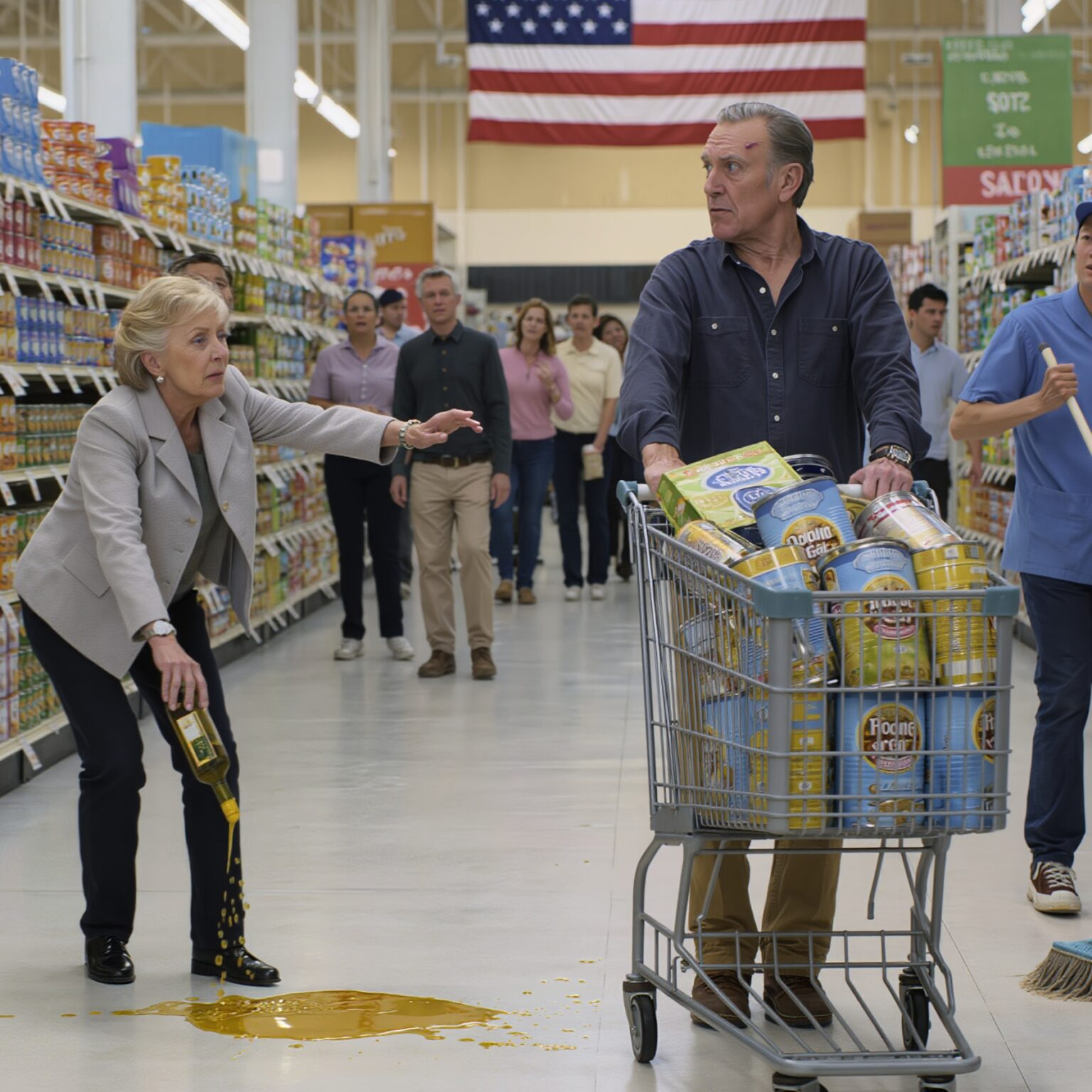
And then — on an ordinary Tuesday afternoon when I had gone to Costco for laundry detergent and some frozen ravioli — I saw him. There he was in aisle seven, wearing the same blue flannel shirt he used to wear on Sunday mornings, hands on a shopping cart piled high with bulk cereal and paper towels, strolling like it was just another errand and not six months of funerals, heartbreak, and unanswerable questions. My breath caught in a way that no grief, no loss, no ritual had ever prepared me for — my heart felt like a violin string plucked so sharply it couldn’t find its pitch again.
At first I thought my brain had betrayed me — a hallucination caused by exhaustion and living on autopilot. But there he was — unmistakable gait, the familiar tilt of his head when he considered a box of granola bars, the way his shoulders relaxed against the fluorescent lights overhead as though he had never left any of it behind. I stood frozen, clutching a package of toilet paper like it was a lifeline, watching him move through space like a man not dead, not absent, not buried six months earlier.
My legs felt like fog. My world felt like a photograph that someone had shaken mid-print. I couldn’t breathe, not at first. Not until I saw his eyes — the way they narrowed thoughtfully at something in the next aisle, just as they always had when he was making decisions about safety or quality or groceries — and in that moment the disbelief in my mind exploded into something rawer, more urgent: He was alive.
I didn’t approach him immediately. I didn’t call his name out in a voice trembling with equal parts fear and hope. I simply stood there — a stranger in the middle of a wholesale store — and watched him exist in the same world that had felt empty and enormous since his funeral. And then a strange thing happened: people moved around us as though nothing remarkable was happening. Shoppers passed, pushing carts, looking at price tags, unaware of what I was witnessing. Not one person looked twice — no gasps, no recognition, no questions like “Isn’t that the man we thought was dead?” It was surreal — like a glitch in the space between loss and reality.
Finally, the impulse I couldn’t quiet any longer rose in me, a raw instinct that felt bigger than disbelief: I called his name. Not loudly. Not dramatically. Just quietly — like someone whispering into the wind and hoping the wind replies.
He turned.
Not startled. Not confused. Just… there — the same familiar face lined by the years we had shared, eyes steady and unguarded like someone who believed this world was still the one he belonged in.
And then he said one sentence that felt like a shockwave in my chest: “You look like someone who needed to see me today.”
I steadied myself against the cold metal of a shelving unit, blinking against the sudden rush of memories and emotions that stampeded through me. Behind him — behind us in that moment — was a wall of bulk cereal, laundry soap, and price tags. Ahead was uncertainty, disbelief, fear, and one man who had reappeared in my life without explanation.
He hadn’t aged significantly. He hadn’t stumbled or appeared ill. He simply stood there, calm as morning sunlight, as though the last six months — the funeral, the marble crypt, the grief, the silent nights — didn’t define him the way they had defined me.
I asked the only thing that felt real in that moment:
“Where were you?”
He hesitated — not long, but long enough to tell me that what he was about to say wasn’t casual or ordinary. Then he explained — not with drama, not with emotional theatrics, but with a quiet clarity that felt like words measured and chosen with care — that he had disappeared intentionally, not because he stopped loving me, but because he had realized something in the months before his “death” that changed everything about who he was and who he wanted to be. He had found an illness, yes — a real one, diagnosed by doctors who were cautious and uncertain themselves — but he had also found something else: a secret he believed he needed to protect me from until he could resolve it. A truth tucked in shadows of business dealings and personal decisions so complicated that he thought the best gift he could give me was peace, not conflict.
But in trying to protect me, he had broken me instead.
I stood there, knees shaking, heart thrumming like a hummingbird, listening, disbelief giving way to shock, then confusion, then something deeper and quieter: truth.
He wasn’t avoiding me.
He was protecting me.
But in doing so, he had erased himself from my life.
The explanation was not simple. It was not clean. It wasn’t the stuff of fairy tales where lost lovers find each other again under perfect circumstances. It was messy, human, imperfect — like life itself.
And yet, there he was — alive, standing in a Costco aisle like someone who had walked out of a dream and into reality without warning.
People continued to push their carts past us, oblivious to the emotional collision unfolding there between laundry detergent and bulk snacks. Their normalcy made the moment feel even more surreal — as though the universe had paused just long enough for this reunion and then continued as though nothing extraordinary had happened.
I didn’t erupt in tears. I didn’t storm off or demand answers. I simply took a breath — the slow, measured kind that roots you in the moment rather than in reaction — and looked into his steady eyes and said, softly:
“I thought you were gone.”
He looked at me — not with shame, not with avoidance, not with theatrics — just with calm sincerity:
“I wasn’t gone. I was trying to fix what needed fixing before I came back to the life that mattered most.”
And in that moment, really seeing him — not as the ghost of someone I had buried, but as the man who stood before me — something in me breathed again: not hope blindly, not trust instantly, but clarity. Real clarity that life is unscripted, that loss and return can coexist, and that love — even when fractured by unexplained paths — can still be real if truth is spoken at last.
I didn’t know what the future held then. None of us did. But in that Costco aisle — among the carts and price tags, under fluorescent lights that felt suddenly warmer than any chapel glow — I understood one thing clearly:
He wasn’t a memory.
He wasn’t a ghost.
He was a person standing in front of me — human, flawed, repentant, and present.
And that — more than any marble crypt or six months of grieving — was the beginning of a second story we never expected to write.