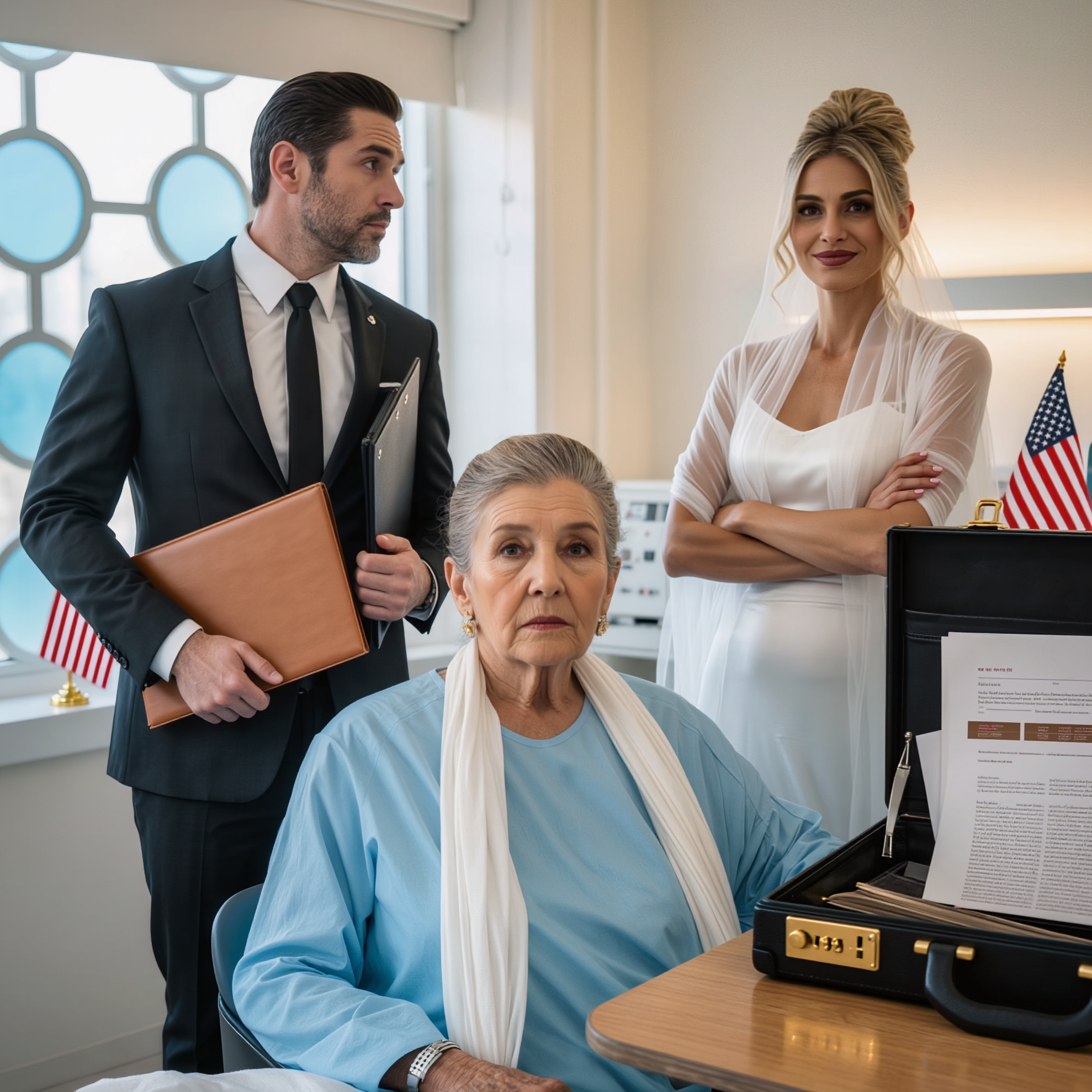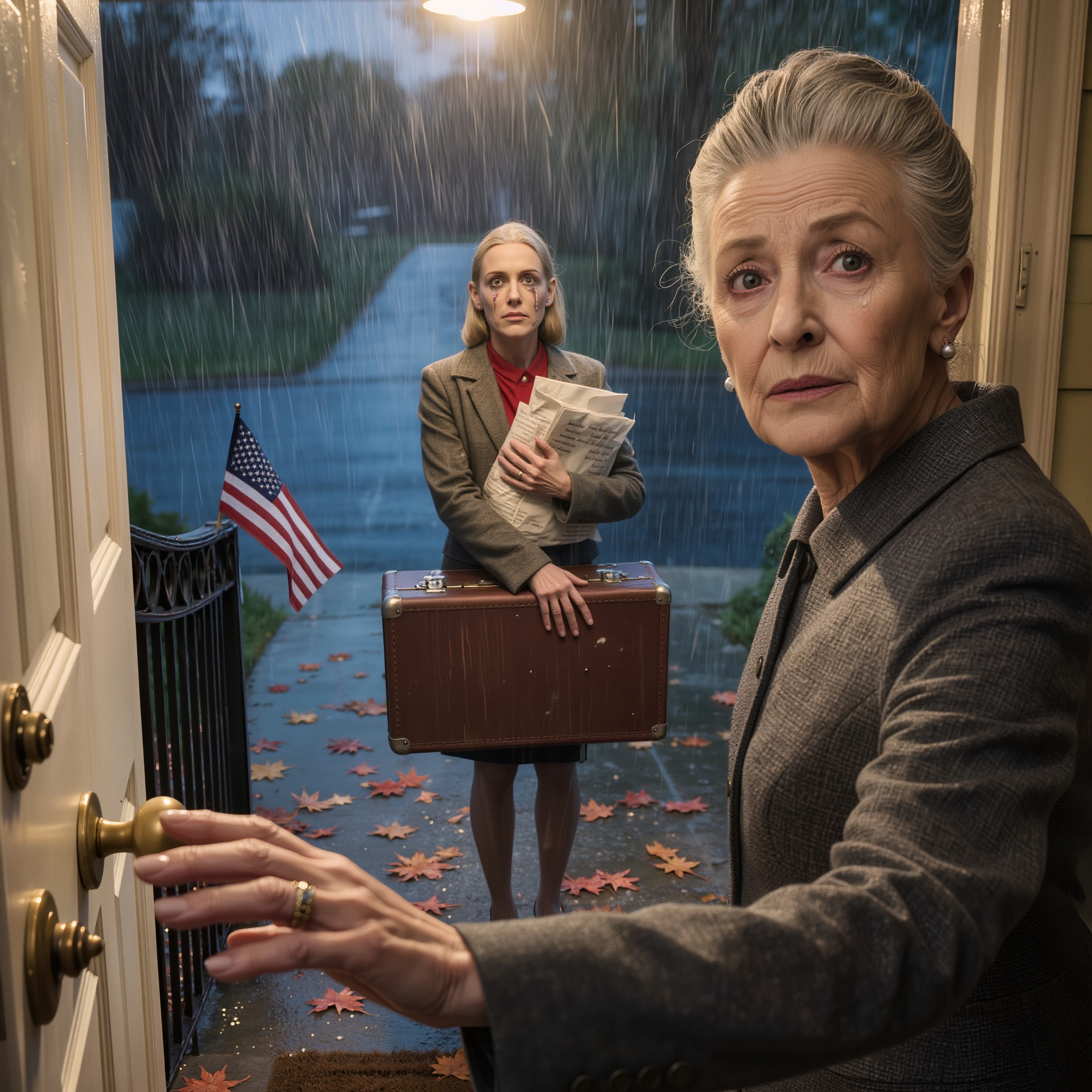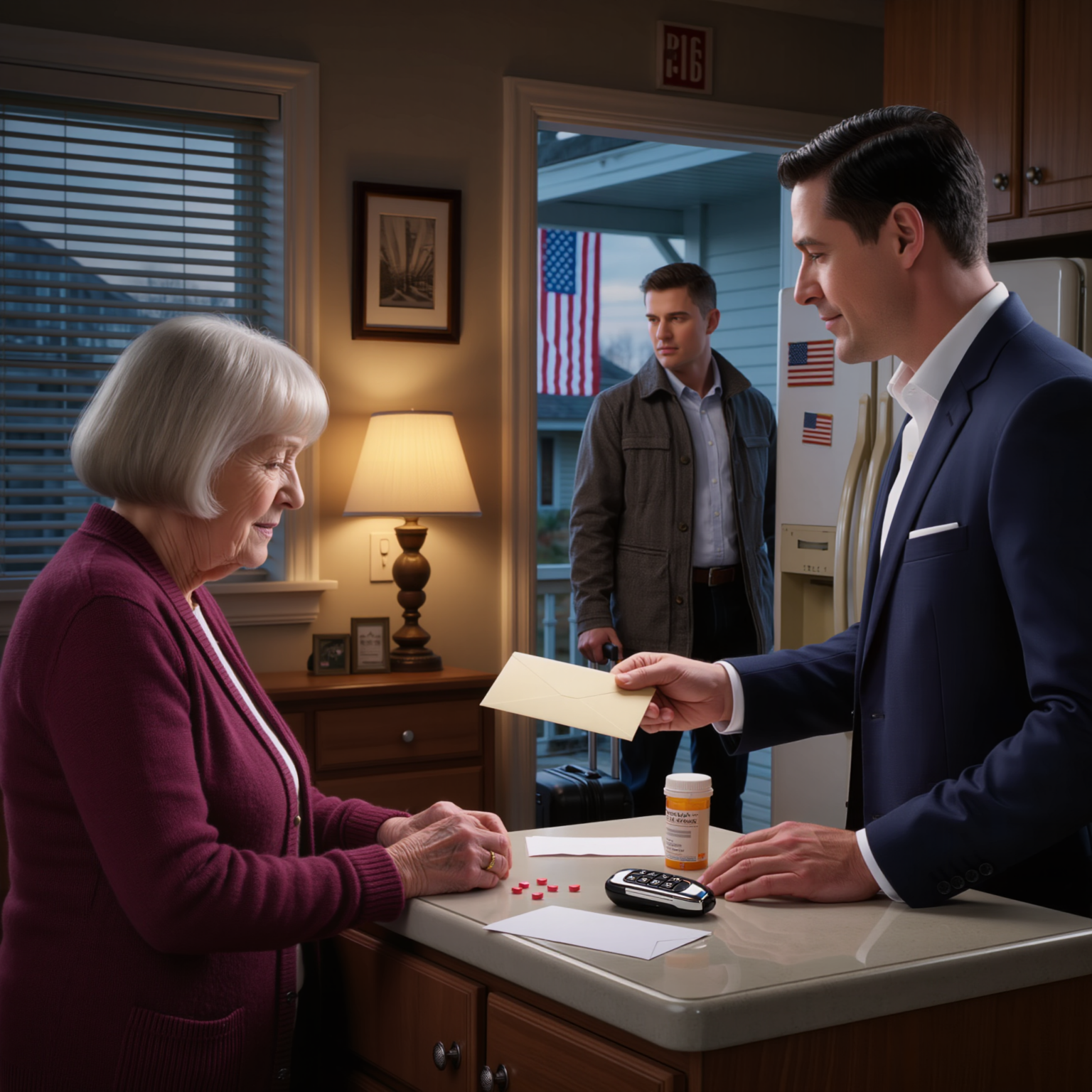
I always believed my son was protecting me — shielding me from worry, from financial strain, from the fear of running out of time and resources in the autumn of my life. Every month for the past year, I found a crisp $1,000 envelope tucked into my mail slot, my name written neatly across the front in familiar handwriting. I assumed it was his way of saving me — helping with the bills, maintaining my independence, letting me live without scrimping or fear. I never asked questions. I never guessed anything other than love behind that gesture. I thought he was taking care of me. That belief — the very thing that gave me comfort — shattered in a flash one November afternoon in a Columbus grocery aisle, when the world dissolved under my feet and I fainted so suddenly that the last thing I saw before everything went black was the label on a jar of marinara sauce and someone’s startled face blurred in fluorescent light.
I woke up lying on a cold tile floor, the murmur of concerned voices above me, and the scent of antiseptic subtly mixing with the perfume of produce. An older woman crouched beside me, her eyes kind. A store employee was offering me water. I felt hollow, weak, afraid. And then — clarity came as gently as a flashlight beam in the dark: I needed help. I didn’t know what had caused the collapse — heart, blood sugar, exhaustion — but I felt suddenly aware of how alone I was standing there amid the kale and cans, the things I thought I had control over slipping away like water between fingers.
Later that night, when I called my son — voice trembling after all that alarm and confusion — the first words out of his mouth were worried and immediate: “Mom, I’m coming.” He booked the first flight he could get, and in less than a day he was at my door, sleeves rolled up, taking blood pressure, scheduling doctor visits, asking every practical question he could think of. I saw something in his eyes that wasn’t just duty or panic — it was concern, the kind that travels on the wings of shared history and memory, not obligation alone.
A few nights later, my grandson Ethan — the one I hadn’t seen since his high school graduation five years earlier — also flew home for Thanksgiving, bringing a quiet calm the house hadn’t held in a long time. Dinner was warm — turkey, mashed potatoes, all the flavors of tradition that seemed to knit the air with nostalgia — but there was something else simmering beneath the surface: conversation that wasn’t just about leftovers or football schedules, but about life, presence, and unasked questions finally permitted.
Halfway through the meal, after the pie had been set out and the room had eased into laughter and familial softness, Ethan looked at me with that composed patience only someone who’s grown up between empathy and awareness can hold, and he asked one question — simple, polite, yet poised in its quiet courage: “Grandma, why did you never ask Dad what those envelopes were for?”
It wasn’t accusatory. It wasn’t dramatic. It was a question seeking truth — and truth, once invited into a room, rarely leaves without transforming something inside it.
I froze.
Not out of fear.
Not out of shame.
But out of realization — the sudden, sharp awareness of something I had assumed for far too long.
I looked at my son, steady and present across the table, and simply said: “I thought you were saving me.”
He didn’t flinch. He didn’t redirect. He just nodded — slowly, gently — and said, “I thought that’s what you wanted.”
Then, with a clear tone that felt both honest and freeing, he explained everything in one breath: the envelopes were not savings for my old age. They were not safety nets tucked away for emergencies. They were advances on my inheritance — a practice he and his wife had agreed on years ago, convinced that I was holding back, that I didn’t want to burden anyone, that I would rather struggle quietly than ask for help openly. They saw the small repairs around the house I never got done, the dented old car tires I hesitated to replace, the groceries bought generically because I didn’t want to spend extra. They interpreted my thriftiness as need, not as choice, and sent envelopes each month expecting that I would use them as I saw fit. Dad didn’t want me to feel alone. He didn’t want me to worry. He didn’t foresee my fainting in a grocery aisle — but he did foresee my stubborn independence, and he tried to support it the only way he knew how.
Halfway through that explanation, I felt something unfold in the room like a window opening after a long winter. It wasn’t relief alone. It wasn’t guilt. It was clarity — the kind that ices over assumptions and makes way for understanding, the kind that doesn’t erase past discomforts but reframes them.
I didn’t cry.
Not then.
Not even with the weight of realization settling softly around my chest.
I just looked at my son.
At my grandson.
At the thoughtful faces gathered around me.
And I saw family — not in perfect harmony, not in easy warmth, not in assumptions made lightly — but in effort, presence, and intention to care without asking for praise.
Because that’s what love really looks like sometimes:
not the gesture you expected,
not the safety net you imagined,
but the quiet, imperfect actions taken out of deep concern —
even when you misinterpret them at first.
I asked my son gently, “Did you ever think to tell me what it was?”
He looked down a moment, thoughtful, as though choosing humility over ego — and then he said simply, “I hoped you’d ask. I thought you were doing okay.”
And in that honest response — not defensive, not distant — I felt something shift inside me:
not regret, not pain, not confusion,
but connection.
Because misunderstanding isn’t the end of a story.
It’s often the beginning of true communication,
and that — more than any envelope of money —
is what kept us at the table that Thanksgiving,
sharing laughter, stories, warmth… and presence.
And that — the conversation we finally had —
is what truly healed something deeper than any grocery aisle collapse ever could.