The beeping of the machines in the ICU was steady and hypnotic — a rhythm I had come to know all too well in those first disorienting hours after my collapse. I remember the antiseptic scent in the air, the soft rustle of nurses’ scrubs, and the strange, distant awareness of my own life flashing like a slideshow I wasn’t ready to watch. I had never been one to broadcast my financial life. For forty years I’d squirreled away profits from my business, savings from wise investments, windfalls from property sales and dividends, keeping every dollar out of sight — not out of fear, but out of a quiet devotion to security and independence. I was never reckless, never boastful, just prudent. I didn’t tell anyone about my $11 million nest egg, not my friends, not my siblings, and definitely not my three children — who, in truth, hadn’t spoken to me consistently in years. I wasn’t naïve; I knew deep family wounds don’t heal overnight, and estrangement has a way of turning silence into assumption.
So when I signed myself into the ICU, all I could think about — beyond the immediate pulse of life and uncertainty — was how deeply alone I felt in that moment. There were no calls from children. No messages waiting on my phone. Just the antiseptic hum of the hospital and the intermittent whoosh of oxygen flowing through tubes I didn’t yet fully understand. I wasn’t concerned about finances. I had planned for my retirement to be comfortable, self-sustaining, and quiet — but I also knew that if anyone ever found out about that fortune at a vulnerable moment like this, it could open a floodgate of trouble I wasn’t prepared to face. So I kept that part of my life entirely secret, even from the doctors. No “next of kin” instructions about bank accounts, no disclosure of investment portfolios, nothing that tied my body in that bed to the $11 million waiting in accounts I managed under my own name alone.
Three days passed like slow, aching waves. I couldn’t eat. I barely slept. My world had shrunk to the sterile whiteness of the ICU room and the rhythmic insistence of monitors. And then — unmistakably — the door opened.
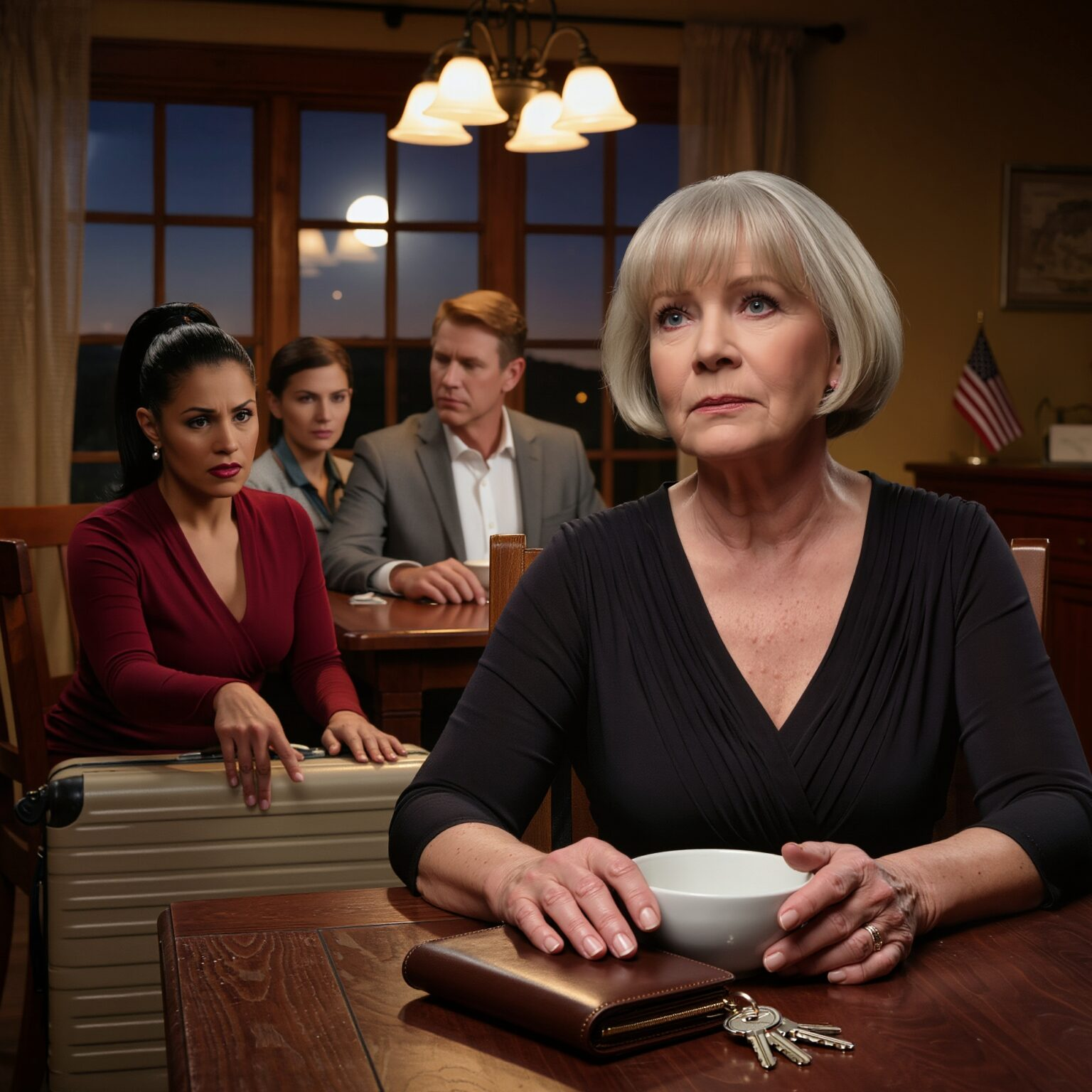
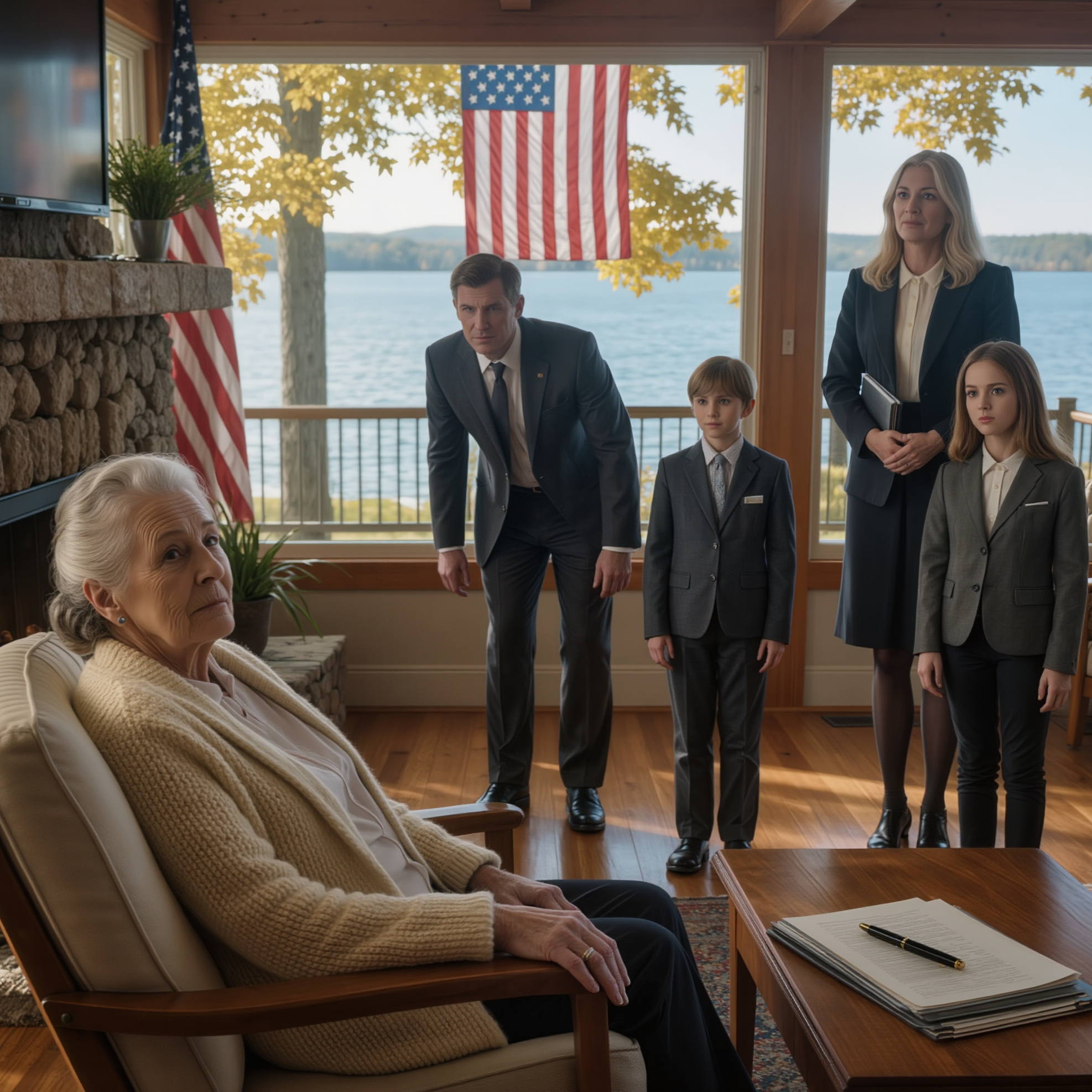
Three figures entered — each with a smile that felt too bright for the place — and behind them walked two sharply dressed lawyers holding folders thick with paper. I could see the instant shift in the air when they saw me stir, not with relief, not with warmth, but with calculation. My children — estranged daughter, older son, younger son — all stood there with that peculiar family blend of familiarity and distance, faces soft with what looked like concern at first glance but with eyes that glinted once they registered something deeper: opportunity. They weren’t alone. These weren’t casual visits from estranged family members reclaiming connection. They were prepared. Their lawyers followed them into the room with a brisk nod, as though they were about to begin negotiations rather than family reconciliation.
My daughter stepped forward first — ever the spokesperson — and said, with practiced warmth that didn’t quite reach her eyes, “Mom, we’re so glad you’re awake. This was such a scare for all of us.” She looked at the lawyers behind her and then back at me, a motion so subtle it felt choreographed. My son on the left added something polite about being “worried sick,” and my son on the right gave a curt, businesslike nod.
I watched them — not with confusion, not with denial — but with clarity that cut through the exhaustion like sunlight cutting through fog. This was not a moment of concern. This was a presentation. They weren’t here to ask how I felt. They were here to ascertain what I had, and how they might secure a claim to it.
When the lead lawyer — a man with a neat gray beard and eyes that measured me with the same precision he used to gauge legal outcomes — cleared his throat and said, “We’d like to discuss your estate planning,” I realized I had walked into a room full of intention, not emotion. They expected negotiations. They expected rhetoric. They expected connections and concessions.
I didn’t rise to indignation.
I didn’t cry.
I didn’t lash out.
I simply observed — because when you’ve spent decades building not just financial security but personal strength, you learn to read intentions even when they’re draped in family language.
I asked, quietly but deliberately, “What makes you think now is the appropriate time to discuss my estate?” No trembling in my voice. No edge of fear. Just precision.
The lawyers smiled like someone who had rehearsed every emotional variable except honesty itself. One of them said, “Given the seriousness of your health situation and the possibility of long-term care needs or worse… it’s prudent to address distribution matters.”
Ah. The possibility of long-term care needs or worse.
That’s when it clicked for me: they weren’t here for me. They were here for my assets.
I didn’t flinch. I didn’t implode into tears. I just set my jaw gently and said, “My children were welcome to visit if they wished to see me — as a mother — not as a portfolio. If you have legal questions, you may speak with my attorney.”
There was a split second — a heartbeat — where their smiles faltered. Not fear. Not shame. Just the fracturing of expectation. They had planned to corner me with lawyers and talking points. They had assumed vulnerability meant capitulation.
But I wasn’t vulnerable in the way they thought I was.
I was lucid.
I was present.
And I was still in control.
My children didn’t hug me. They didn’t apologize for years of silence. They didn’t ask how I felt in that hospital bed. Not one of them offered a sincere, uncalculated question about my health or my well-being. They immediately tried to enter the room as negotiators, not as relatives.
I watched them — all three — shuffle slightly, realizing their legal opening had met with dignity rather than compliance.
Then the lawyer cleared his throat, a beat later than expected, and asked, “So, you do have an attorney?”
I did not answer immediately.
I simply looked at my children — one by one — with a soft but resolute gaze that said I see you now for who you are in this moment, not who you once were.
And then I answered, “Yes — and you may speak with them. I am focusing on my recovery.”
That was it. That was not an arrogance of wealth. Not a denial of vulnerability. Not a coldness toward my children. It was a boundary. A declaration that my body, my health, my life — and yes, my hard-earned fortune — were not the subject of opportunistic warfare disguised as concern.
The lawyers exchanged looks — not of confusion, but of recalculation. My children’s faces tightened. Not because they suddenly felt shame — that’s not how entitlement works — but because their plan had been interrupted by my agency, not their assumption.
I didn’t spend that day discussing wills or distribution or tax strategies or lawyers’ fees.
I spent it focusing on my breathing.
On my recovery.
On the life I had lived before anyone stood poised to divide it.
Later — not as a dramatic confrontation, but as a gentle boundary — I asked the head attorney to leave my room and take all further correspondence through my lawyer, not through me. And on that simple note, the air in the room shifted — not into hostility, but into understanding that I was not the vulnerable old woman they had assumed.
I was a person.
I was lucid.
I was aware.
And I was still in charge of my own story.
Three days in the ICU taught me something deeper than fear or betrayal:
Presence is not weakness. Vulnerability is not surrender.
And no amount of money is worth sacrificing your dignity.
As I lay there in the sterile quiet of the ICU — with beeping monitors, sunlight through blinds, and my own breath steady in the rhythm of life — I understood something profound:
Legacy is not what you leave behind —
it’s what you refuse to surrender when others arrive with expectations instead of empathy.