The Darkness and the Light
They say that when you are in a coma, you can still hear the world around you, like a radio playing in a distant room. For me, there was only a vast, heavy silence. Six months ago, a freak car accident had sent me into a void that doctors feared I would never return from. I was fifty-eight years old, a widow who had spent her life building a small empire of comfort in a three-bedroom Victorian house on the edge of town.
When I finally opened my eyes, the light felt like needles. My throat was raw, and my body felt like lead. But there, sitting by the bed, was my son, Leo. I felt a surge of maternal relief. I had made it. I was alive. I reached out a trembling hand, expecting him to grasp it and weep with joy.
“Mom?” he whispered. He didn’t look happy. He looked terrified.
“Leo…” I croaked.
He didn’t hug me. He stood up and walked to the window, his back to me. “The doctors said you were brain dead, Mom. They said it was just a matter of time. We waited… we waited for months.”
I didn’t understand the tone of his voice. It wasn’t the sound of a son who had found his mother again. It was the sound of a man who had been caught in a lie.
The Ultimate Betrayal
Three days later, when I was strong enough to sit up and breathe without a tube, the truth came out like a physical blow. My daughter-in-law, Elena, joined Leo in my hospital room. She didn’t bring flowers. She brought a folder of paperwork.
“We had to make some decisions, Mom,” Leo said, staring at the linoleum floor. “The maintenance on your house was too much. The taxes, the upkeep… we thought you were going to die. We were sure of it.”
“What did you do, Leo?” I asked, my heart hammering against my ribs.
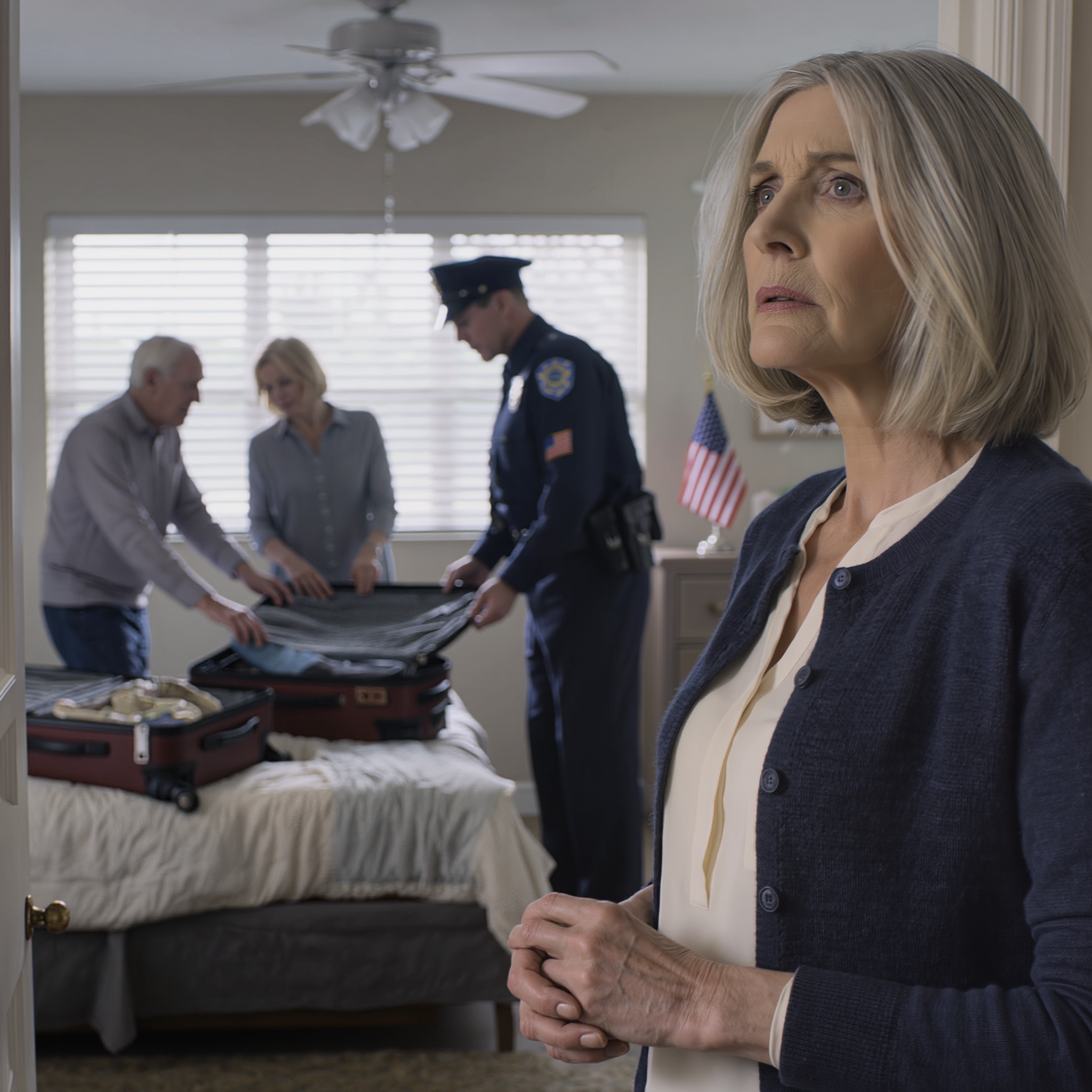
Elena stepped forward, her voice sharp and devoid of empathy. “We transferred the deed. My parents were living in that cramped apartment downtown, and your house was just sitting there, empty. Leo had your power of attorney. We moved them in three months ago. They’ve already renovated the kitchen.”
I felt the air leave the room. “You gave away my home? To your wife’s parents?”
“We thought we were settling your estate early!” Leo snapped, finally looking at me with a spark of defensive anger. “We didn’t think you’d wake up! What were we supposed to do? Let it rot?”
“It’s their house now,” Elena added, her eyes cold. “Legally, it’s done. When you get discharged, you’ll need to find somewhere else to live. We’ve already cleared out your closet. Your things are in a storage unit on Route 9.”
The Cold Reality of Recovery
I spent the next week in a state of shock. Every time I closed my eyes, I saw my garden, the piano I’d played for forty years, and the height marks on the kitchen doorframe where I had measured Leo as a boy. They hadn’t just taken a building; they had attempted to bury me while my heart was still beating.
Leo stopped coming to the hospital. Elena blocked my number. They expected me—a woman who could barely walk ten feet without a walker—to simply disappear into the social system.
But they forgot one thing. I hadn’t just built a home in that town; I had built a life. And in that life, I had friends who remembered who I was before I became a “medical miracle.”
My best friend, Martha, picked me up on the day of my discharge. She didn’t take me to a motel. She took me to a lawyer.
The Fight for the Foundation
“They used a durable power of attorney intended for end-of-life care,” my lawyer, Mr. Henderson, explained as he looked over the documents Martha had helped me recover. “But you aren’t dead. And more importantly, the transfer of a primary asset to a non-lineal relative for zero consideration while the principal is incapacitated? That’s not ‘settling an estate.’ That’s elder abuse and fraud.”
I realized then that Leo hadn’t just been “managing” my affairs. He had been bullied by Elena into liquidating my life to satisfy her family’s greed.
The battle took four months. I lived in Martha’s guest room, undergoing grueling physical therapy by day and reviewing legal depositions by night. I watched through social media as Elena’s parents posted photos of Christmas dinner in my dining room, sitting in my chairs, drinking from my crystal glasses.
The anger was the best medicine I ever had. It knit my bones back together and cleared the fog from my brain.
The Day of Reckoning
We didn’t go to trial. When Mr. Henderson presented the evidence of the fraudulent transfer and the threat of a criminal investigation into the misuse of power of attorney, Leo’s resolve crumbled.
I showed up at my house on a Tuesday morning with the sheriff and a locksmith.
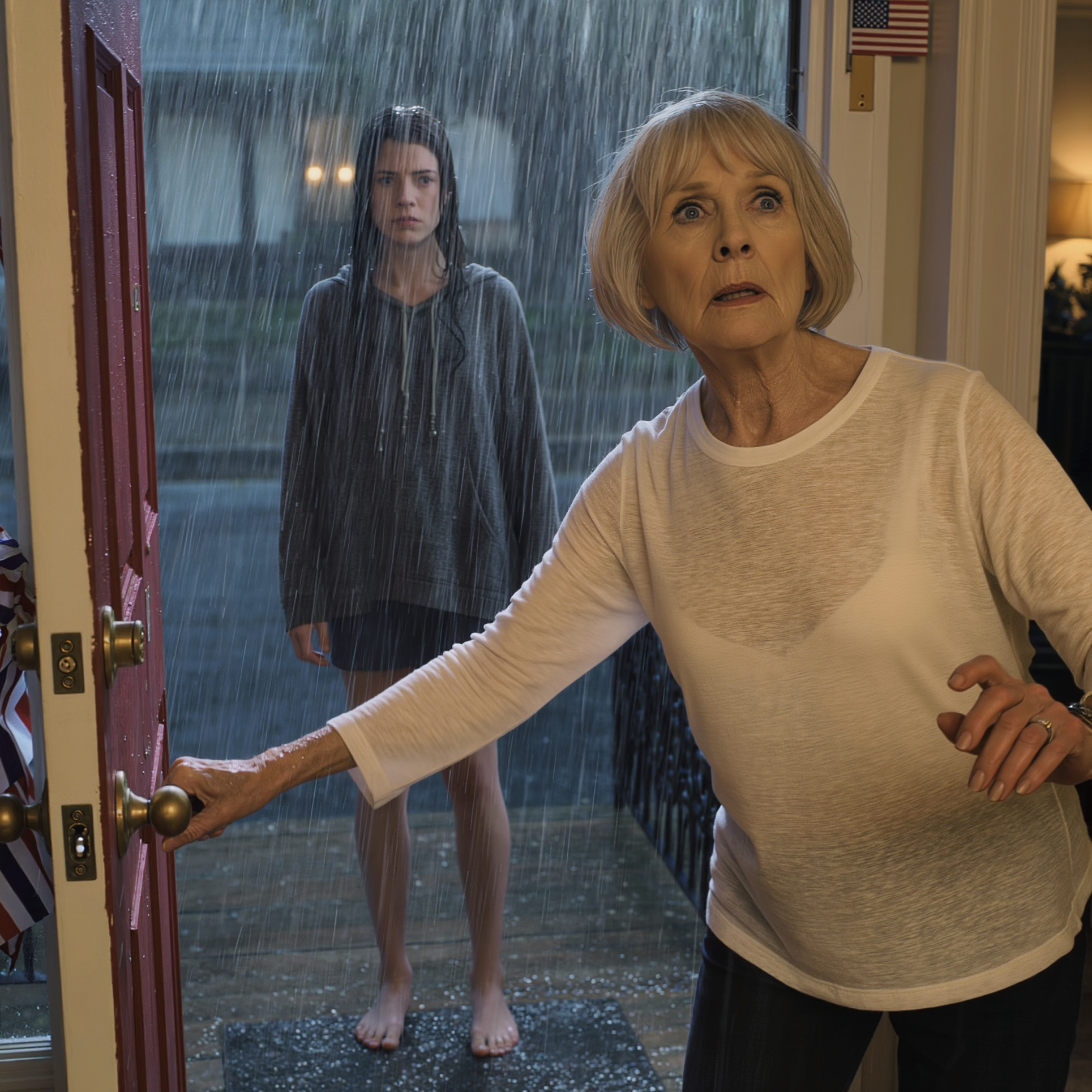
Elena was there, screaming on the front porch. “You can’t do this! My parents have nowhere to go! You’re a monster! You were supposed to be dead!”
I walked up the steps, no longer needing the walker, and looked her in the eye. “I was in a coma, Elena. I was asleep. But you? You’ve been wide awake this whole time, and you still couldn’t see the difference between an inheritance and a theft.”
Leo stood behind her, looking smaller than I had ever seen him. “Mom, please… it was a mistake.”
“A mistake is forgetting a birthday, Leo,” I said, my voice as cold as the winter air. “Giving away my life while I was fighting for it is a choice. You chose your wife’s parents over your own mother. Now, you can choose where to live with them.”
The New Life
I moved back into my house that afternoon. The “renovations” Elena’s parents had started were half-finished and ugly, but the bones of the house were still mine.
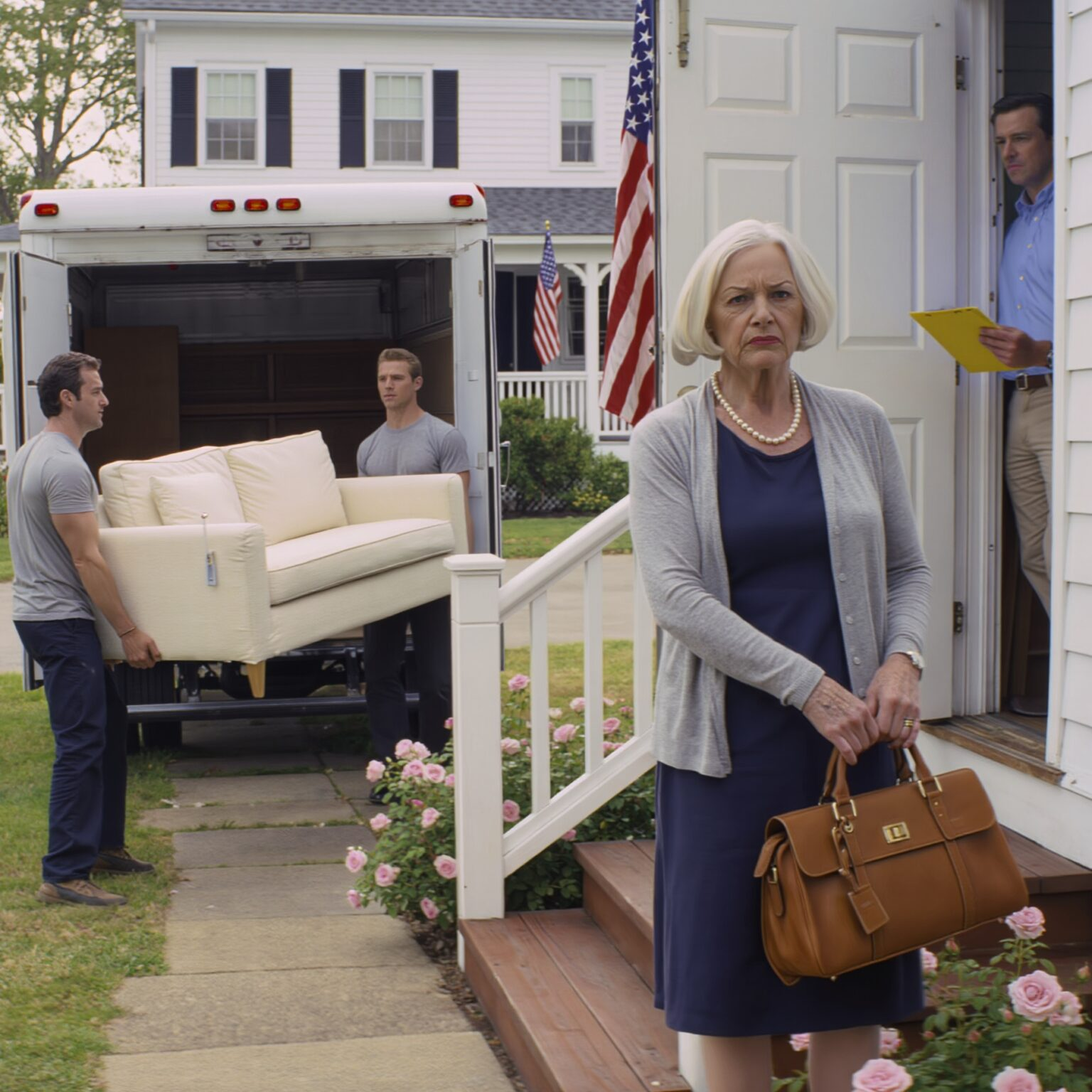
I changed the locks. I sold the furniture they had bought. I reclaimed my piano.
Leo tries to call sometimes. He leaves voicemails about “family” and “forgiveness.” I don’t delete them, but I don’t listen to them either. I keep them as a reminder of the silence I heard when I was in the dark—the silence of a son who was waiting for me to stop breathing so he could have my things.
I woke up after six months in a coma to find I had lost everything. But as I sit in my garden today, watching the sun set over the Victorian roofline, I realize I actually gained something much more valuable.
I found out who I am when everything else is stripped away. I found out that my house is made of brick and mortar, but my home is made of the strength it took to take it back.
I am alive. I am home. And for the first time in my life, I am truly wide awake.