The Luxury Trip and the Unpaid Servant
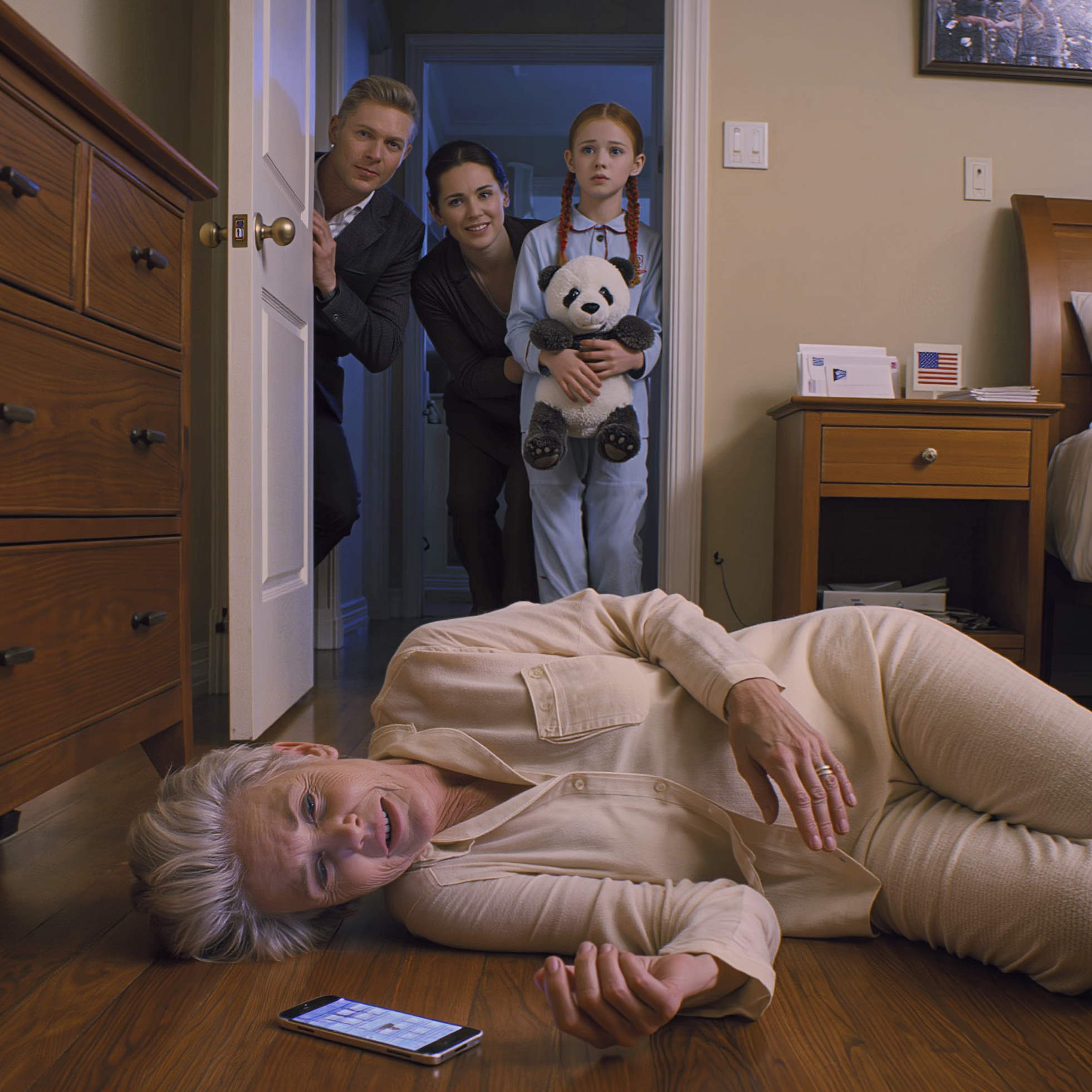
My son, Ryan, has always had a taste for the finer things in life—usually things he couldn’t quite afford on his own. At sixty-eight, I thought I had finally seen him settle down. He and his wife, Vanessa, live in a pristine suburban home that looks like a page from a catalog. When they announced they were taking a “much-needed” two-week luxury safari in Kenya, I was happy for them. When they asked if I could stay at their house to watch their two high-strung Dobermans, I agreed without hesitation. I viewed it as a chance to be helpful, to show my son that I was still a vital part of his life. I spent my days walking the dogs and keeping the marble floors spotless, feeling like a good father. I didn’t realize that while I was picking up dog hair, they were planning to sweep me under the rug.
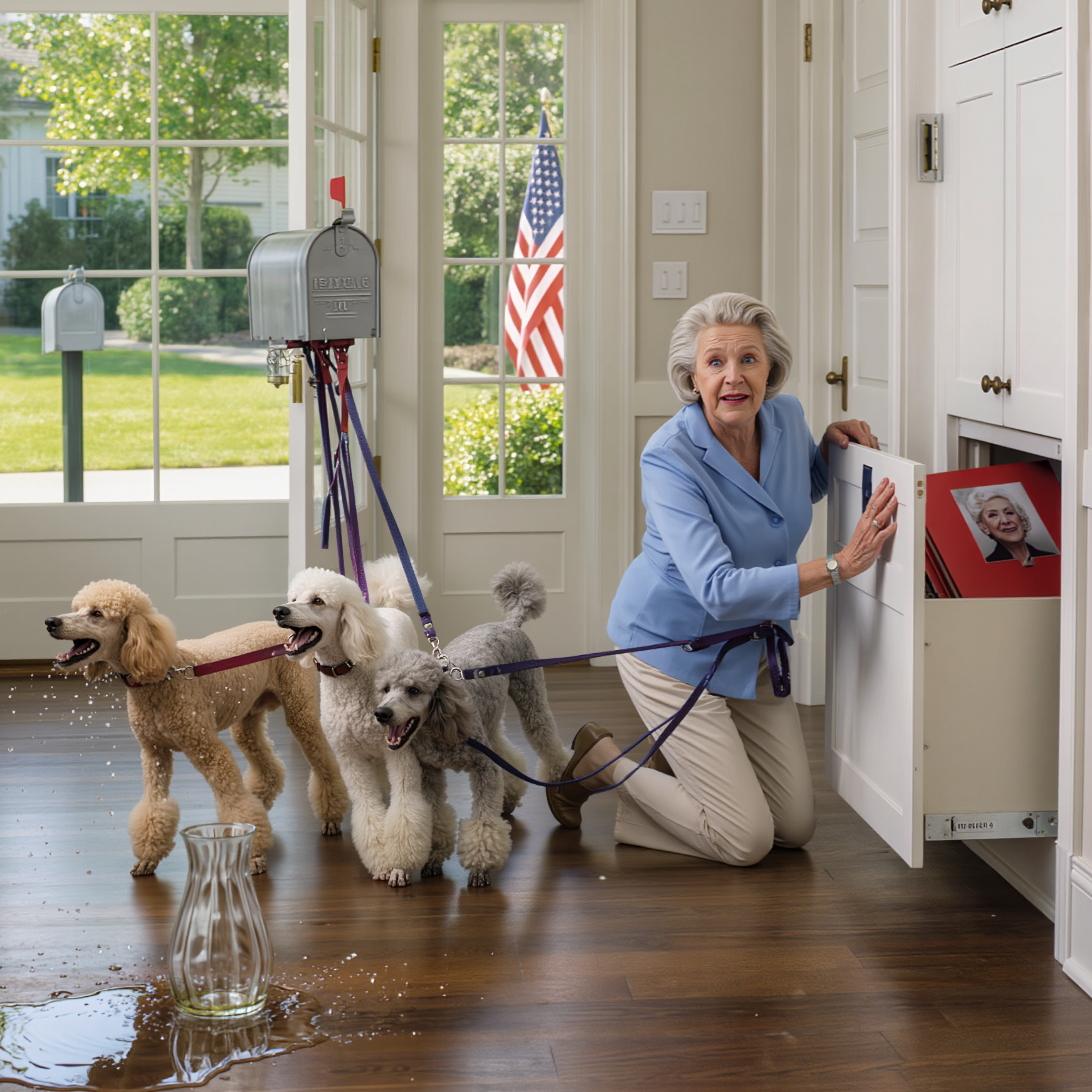
The Dobermans were restless that Tuesday, pacing the hallway leading to Ryan’s home office. I noticed the door was slightly ajar, which was unusual; Ryan is a man who keeps his digital and physical life under lock and key. As I went to close it, I saw a bright red folder sitting on the corner of his mahogany desk. It looked out of place against the minimalist decor. I told myself I shouldn’t look, but curiosity is a persistent guest. I opened the cover, expecting to see flight itineraries or safari insurance. Instead, the first thing I saw was a photocopy of my own driver’s license. Below it was a printed dossier titled: “Phase 1: Asset Liquidation and Placement Strategy for Arthur.” I sat in his ergonomic chair, the leather cooling beneath me, as I realized I wasn’t looking at a family document. I was looking at a sales pitch for my own life. Ryan and Vanessa hadn’t just been planning a vacation; they had spent the last six months meeting with “Senior Placement Specialists.” They had already obtained a preliminary appraisal of my house—the home I had lived in for forty years. The red folder contained a detailed timeline for how they would convince a doctor that I was “exhibiting early signs of cognitive decline” to trigger a power of attorney. They had even picked out the facility: a “Gold-Tier” nursing home two states away. The most chilling part was the handwritten note from Vanessa in the margin: “If we sell his place by September, we can pay off the safari and the Tesla. He’ll be happier where people can ‘watch’ him anyway.”
The Clarity of the Betrayed
The shock didn’t make me cry; it made me cold. I had spent forty years building a legacy for a man who viewed my existence as a debt to be collected. Ryan didn’t see a father who had coached his baseball games and paid for his MBA; he saw a house in a gentrifying neighborhood that could fund his Instagram lifestyle. The “luxury trip” wasn’t a celebration; it was a dry run to see how I’d handle being away from my own home. They wanted to see if I’d get confused or forgetful so they could build their case.
I spent the next three days in that house acting like the “nuisance” they wanted me to be. I fed the dogs, I watered the plants, and I spent every night in Ryan’s office, digitizing every single page of that red folder. I found emails to real estate agents, drafts of “concerned” letters to my GP, and a ledger of my personal bank accounts they had somehow accessed. They had even contacted a local “junk removal” service to clear out my attic while I was supposedly being moved into the facility. I realized that if I didn’t act now, I would be a prisoner in a “Gold-Tier” cage before the leaves changed color.
The Architect of a Silent Reversal
I didn’t call Ryan to scream. I didn’t send a frantic text to Kenya. Instead, I called my own attorney, a woman I’d known since the 80s who specialized in elder law and estate protection. When I showed her the digital files, she didn’t mince words. “This is predatory, Arthur. They aren’t just planning for your future; they’re conspiring to commit fraud.” We began a surgical strike on my own estate. I moved every cent of my liquid assets into an irrevocable trust that Ryan could never touch, even with a power of attorney. I updated my will to exclude him entirely, leaving my home to a foundation that provides housing for retired teachers.
But the real “gift” was waiting for them at their own front door. I realized that the “Luxury Trip” had been funded by a bridge loan Ryan had taken out, assuming my house sale would cover it by the end of the year. I knew the lender—a small, private firm I had done business with years ago. I made a few calls. I didn’t break any laws; I simply provided the lender with a “Statement of Intent” regarding my property, clarifying that it was not, and would never be, for sale. Without my house as a potential asset, Ryan’s creditworthiness evaporated like mist in the morning sun.
The Return from the Safari
The day they returned, I was sitting on their porch with the dogs. They looked tanned, happy, and draped in expensive souvenir jewelry. “Hey Dad! How were the boys?” Ryan asked, his voice full of that synthetic warmth I now recognized as a weapon. I handed him the leashes and a small, white envelope. “The dogs were fine, Ryan. But you forgot something in the office. I took the liberty of reading it. I thought it was important we were all on the same page about my ‘placement.'”
The color drained from Vanessa’s face. Ryan opened the envelope, but it wasn’t the red folder. It was a copy of my new trust agreement and a “Notice of Severance.” I stood up, my back straighter than it had been in years. “I’ve updated my medical directives, Ryan. You’re no longer my proxy. And I’ve spoken to your lenders. It seems they’re a bit concerned about that loan you took out, now that they know my house isn’t on the market. I hope the safari was worth it, because you’re going to be paying for it for a very, very long time.”
The Peace of the Independent Path
I walked to my car without waiting for their excuses. I moved back into my home, the one they had already “sold” in their minds, and I felt a profound sense of ownership. Ryan tried to call, to apologize, to claim it was all a “misunderstanding” or a “worst-case scenario plan,” but I had read Vanessa’s notes. I knew the truth. They didn’t want a father; they wanted a payout.
Today, I spend my time traveling on my own terms. I used the money I had intended to leave to Ryan to fund my own adventures. I’m currently writing this from a balcony in Portugal, looking out at the ocean. I learned that the most dangerous thing in a family isn’t an enemy you can see; it’s the “care” of someone who’s already counting your money. I’m not in a facility, and I’m definitely not a nuisance. I’m the man who kept his house, his dignity, and the red folder that set him free.