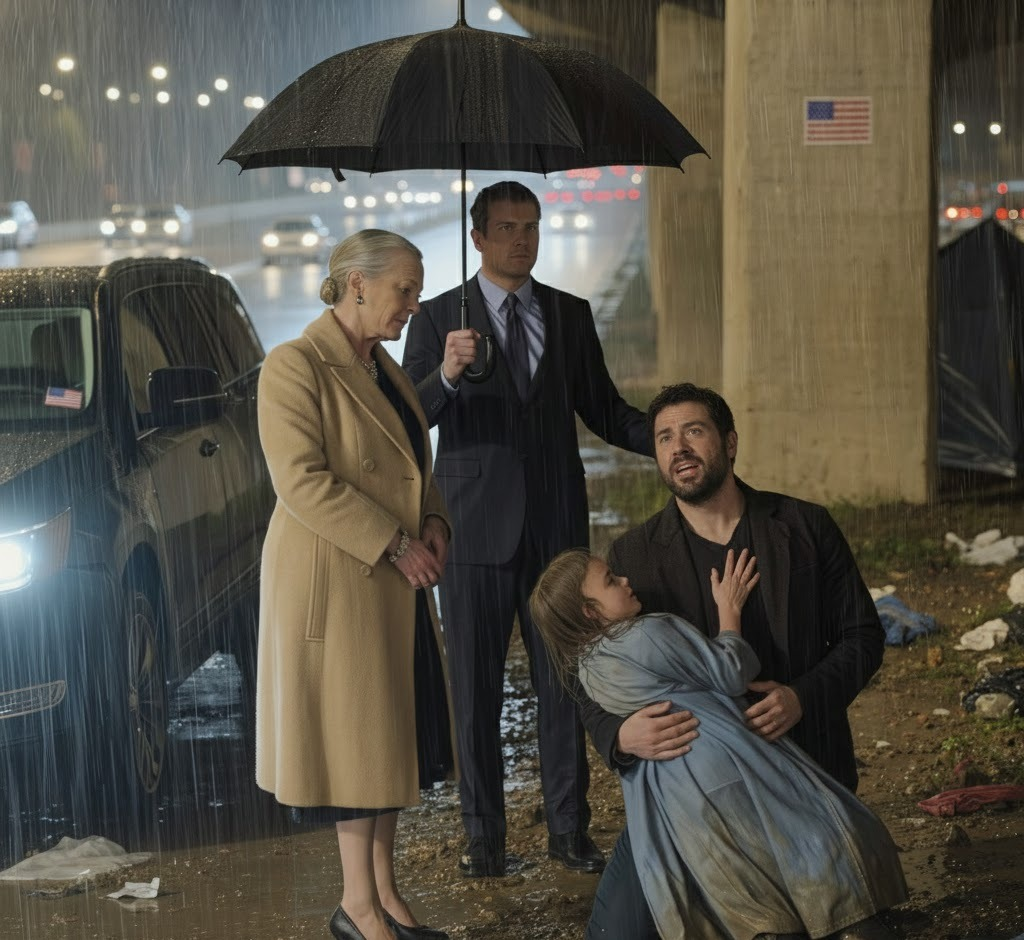
The Nightmare in the Pines
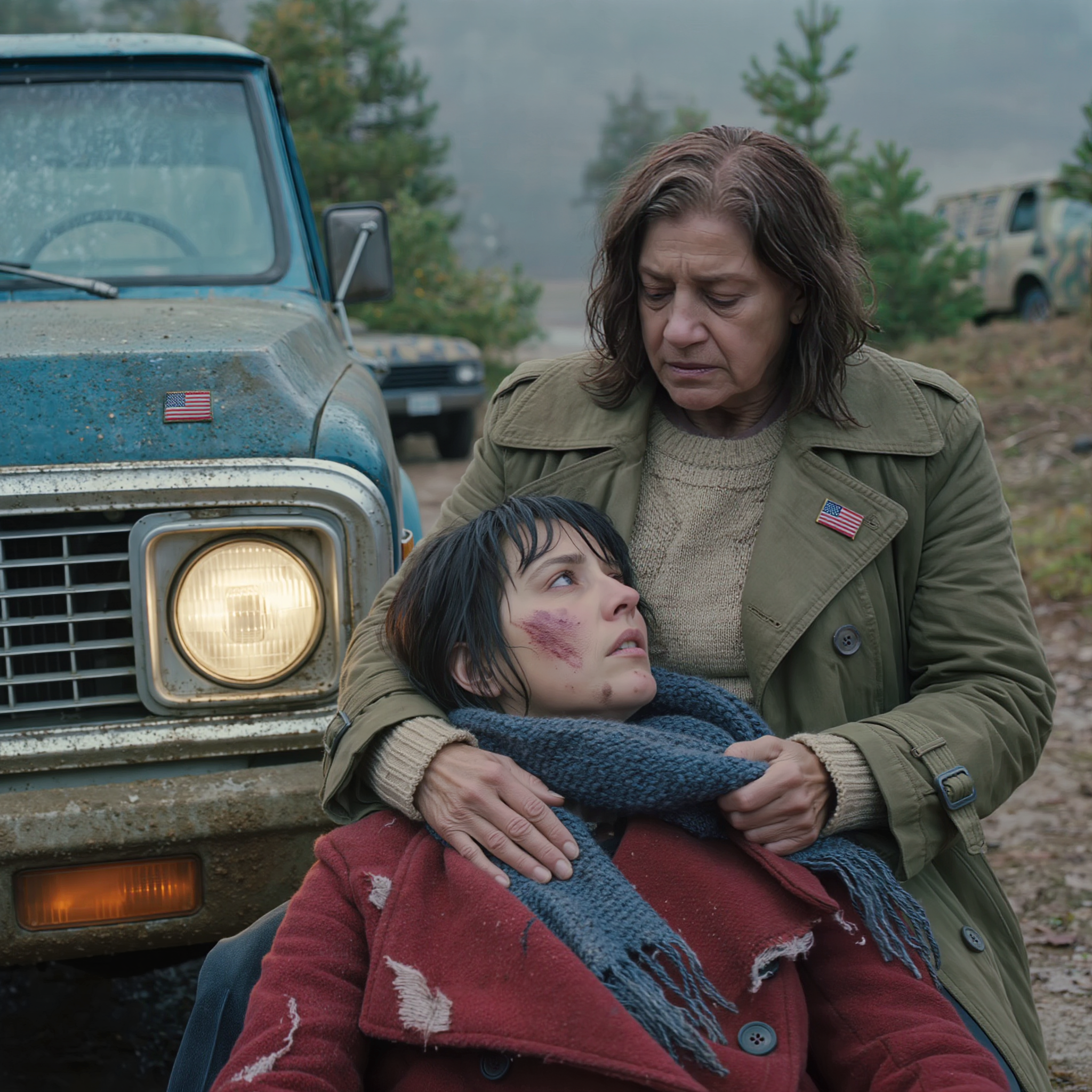
The sun was dipping below the horizon, casting long, skeletal shadows across the forest floor when I finally found her. My daughter, Maya, had been missing for six hours—six hours of agonizing silence from her husband’s family estate. I found her curled in a shallow ravine, her white dress torn to rags and her skin a map of violet bruises and strange, rhythmic scratches. She was barely conscious, her breath a ragged hitch in the cooling air. As I pulled her into my arms, her eyes fluttered open, glazed with terror. She gripped my jacket with trembling fingers and whispered the words that would change my life forever: “It was Beatrice… my mother-in-law. She said I wasn’t enough. She said my blood is dirty and I had to be purged.”
I carried her out of those woods with a strength I didn’t know I possessed. I didn’t take her to the local clinic—the doctor there was Beatrice’s first cousin. I drove two towns over, my heart hammering against my ribs. As Maya stabilized, the truth began to emerge. Her husband, Julian, and his mother belonged to a “heritage society”—a group of old-money families obsessed with “blood purity” and ancestral rituals. They hadn’t just bullied her; they had attempted a ritualistic “cleansing” because they found out my great-grandmother was a common laborer. They thought they could discard my daughter like trash in the woods because they “owned” the town. They forgot that I am a woman who spent twenty years in investigative journalism, and I know exactly how to shine a light on the dark.
The Architect of a Silent Infiltration
Beatrice and Julian played the part of the grieving family perfectly. They called the house, crying crocodile tears, asking if Maya had been found. I kept my voice flat, telling them she was “resting” and “confused.” I didn’t want them to know she remembered. I needed them to feel safe. While Maya recovered in a secure facility, I returned to their estate under the guise of “gathering her things.” I knew where Beatrice kept her journals—a heavy, leather-bound book hidden in the floorboards of the private chapel.
What I found was more than just elitism; it was a ledger of crimes. The “society” had been laundering money through their charities and using their influence to cover up decades of “purges” against anyone who threatened their perceived bloodline. They were a cult of ego dressed in pearls and three-piece suits. I realized that the police wouldn’t be enough—they were in Beatrice’s pocket. To destroy them, I had to use the one thing they valued more than life itself: their reputation and their “pure” history.
The Reckoning of the Truth
I waited for the society’s annual “Heritage Gala,” a night where the town’s elite gathered to celebrate their supposed superiority. I arrived not as a victim’s mother, but as the guest of honor’s surprise. I had spent the week digging through historical archives and DNA databases. I discovered a secret Beatrice had spent forty years and millions of dollars hiding: she wasn’t a “pure” descendant of the founding family at all. She was the product of an affair between her mother and a stable hand—the very “dirty blood” she claimed to loathe.
I didn’t make a scene. I waited until Beatrice was on stage, giving a speech about “the sanctity of lineage.” I walked to the tech booth and swapped her presentation slides for the DNA results and the ledger of their financial crimes. As the images flashed on the giant screen—proof of her true parentage and the evidence of Maya’s assault—the room went into a deathly silence. I walked up to the stage, Maya standing tall beside me, her bruises still visible but her spirit unbroken. “You said her blood was dirty, Beatrice,” I said into the microphone. “But it turns out your entire foundation is built on lies.”
The Silence of the Fallen
The downfall was swift. The financial evidence triggered a federal investigation that the local police couldn’t stop. Beatrice was arrested that night, not just for the assault on Maya, but for thirty years of racketeering. Julian, the coward, tried to flee, but he was intercepted at the airport. The “pure blood” society crumbled as its members turned on each other to save their own skins. They had tried to break my daughter in the woods; instead, they had handed me the axe to chop down their entire family tree.
Maya is healing now. We moved far away from that town, to a place where the air doesn’t smell like old secrets and rot. She’s back in school, studying law, determined to protect others from the kind of monsters who wear designer clothes. I learned that there is no blood “pure” enough to wash away a black heart, and there is no mother more dangerous than the one who has to pull her child out of the dark.
The Peace of a Clean Slate
I still think about that night in the woods—the cold, the fear, and the whisper. But now, when I look at Maya, I don’t see a victim. I see a survivor who survived the worst of humanity and came out stronger. We don’t care about “heritage” or “lineage” anymore. We care about the truth. Beatrice is serving fifteen years in a state facility where her “pure blood” doesn’t get her an extra blanket, and the woods where she left my daughter are now a public park—a place where children play in the light, and no one ever has to fear the shadows again.