The Cost of a Life
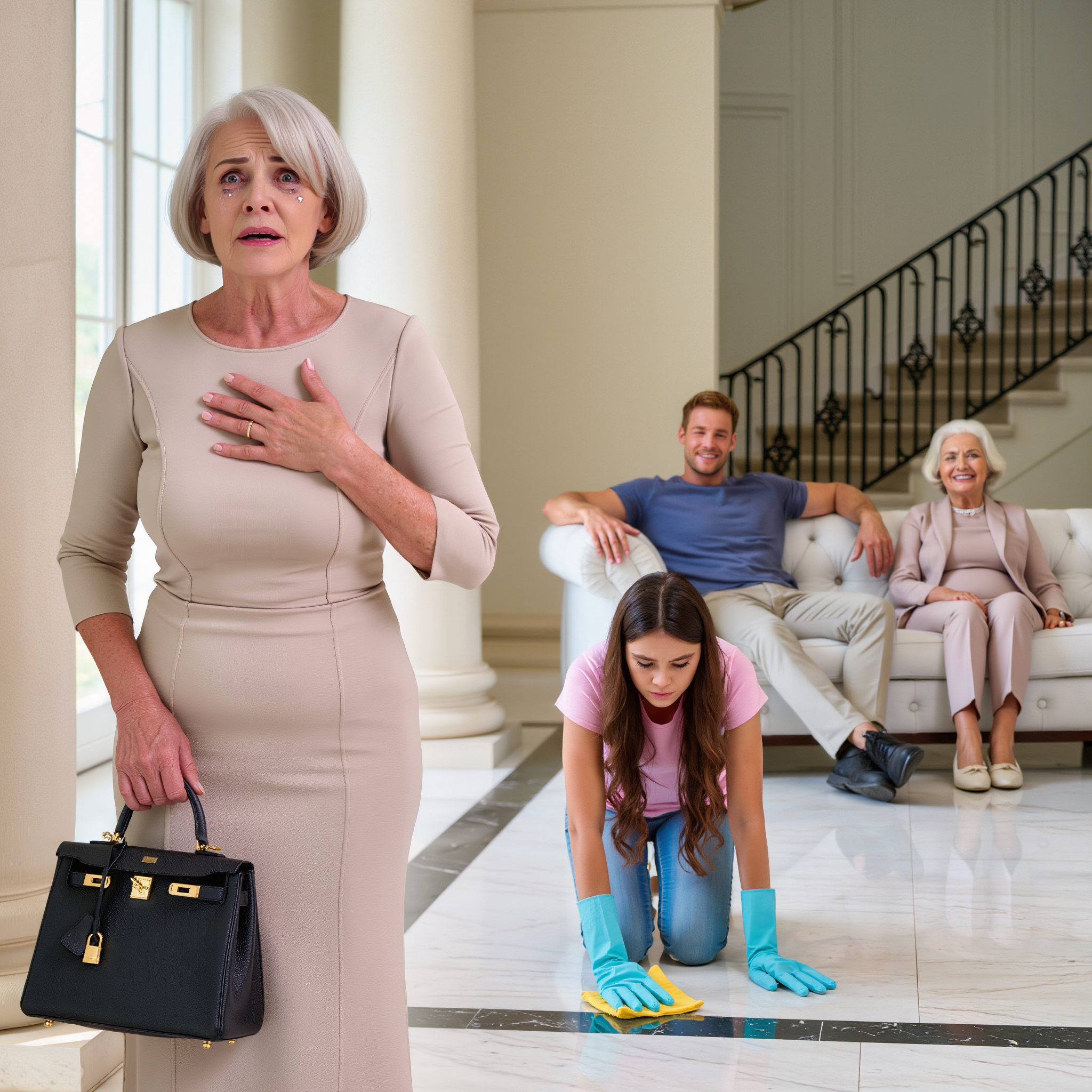
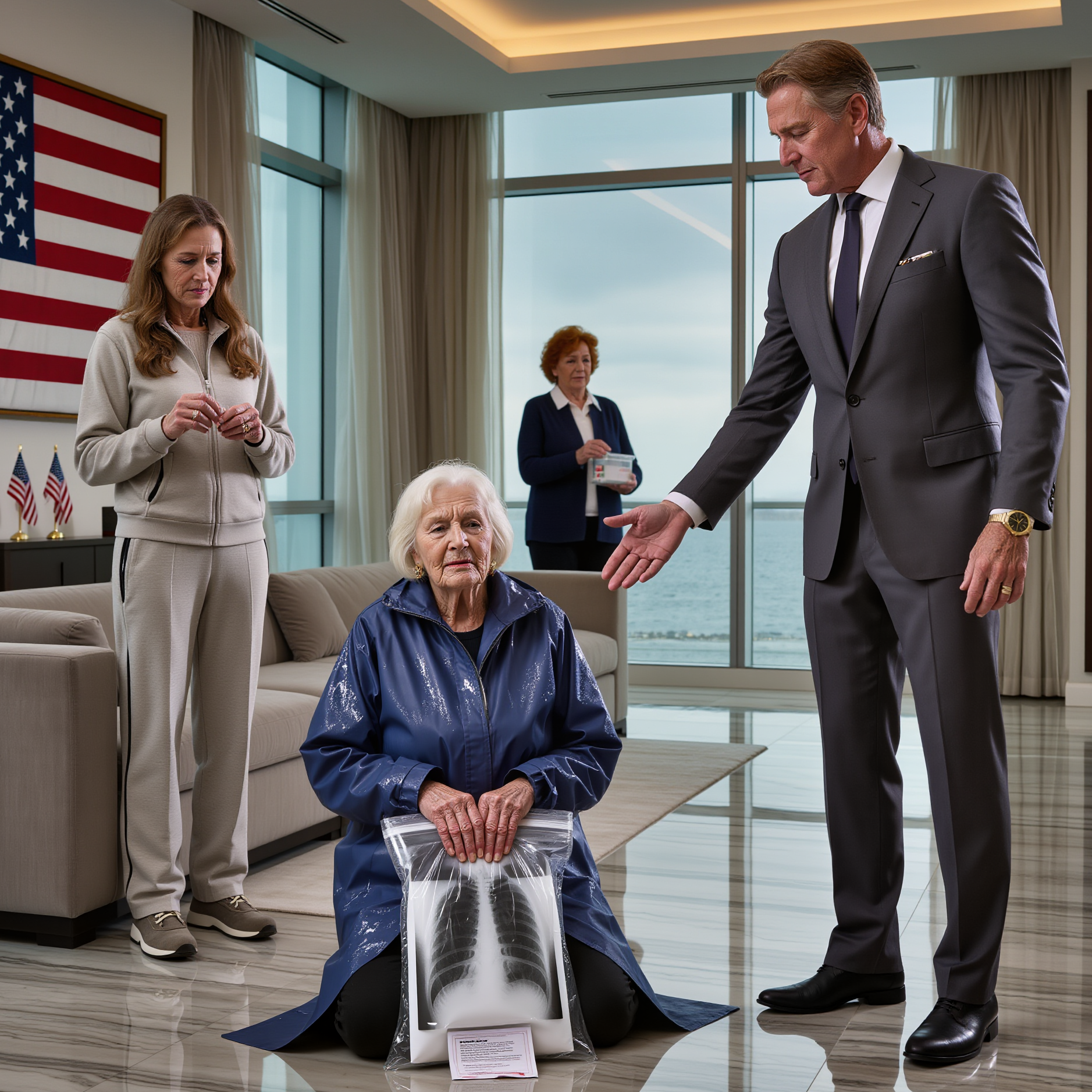
I sat at the mahogany dining table, clutching the medical estimate for my heart valve replacement. I didn’t want a handout; I wanted access to the $40,000 I had set aside in a joint investment account I shared with my son, Leo. I had worked forty years as a nurse, saving every penny so I wouldn’t be a burden in my old age. But when I asked for the withdrawal, the air in the room turned cold. My daughter-in-law, Tiffany, didn’t even look up from her phone. “Honestly, Diane, even if you get treated, it’s a waste of resources,” she said, her voice dripping with clinical indifference. “You’re seventy. How many ‘good years’ are you really buying for forty grand? It’s better to let nature take its course.”
I looked at Leo, waiting for him to defend the woman who had raised him alone. Instead, he took a sip of his wine and sighed. “Mom, don’t make a scene. We already moved that money. We put it toward the down payment on that 35-foot cruiser I showed you. It’s an investment in our family’s happiness. You’ve had your life; let us have ours.” They sat there, vibrant and healthy, effectively sentencing me to a slow decline so they could spend my surgical funds on a weekend toy. They assumed I was a “retired” woman with no more cards to play. They forgot that the nursing career they mocked had given me a diamond-hard stomach and a very thorough understanding of how to manage a crisis.
The Architect of a Silent Recovery
I didn’t argue. I didn’t beg for my life. I simply stood up, adjusted my sweater, and said, “I see. I hope you enjoy the water.” I left their house and drove straight to my private attorney. Leo and Tiffany believed that the $40,000 was the bulk of my wealth. They didn’t know about the three rental properties I owned in the city, held under a corporate umbrella they had never bothered to investigate. I had planned to leave those properties to Leo in my will. Now, I had a different plan.
I sold one of the properties in a private, off-market deal within forty-eight hours. The cash covered my surgery at a top-tier private clinic, where I spent three weeks recovering in luxury. While I was healing, I had my lawyer execute a “Recall of Co-Signer Responsibility.” When Leo bought that boat, he couldn’t qualify for the loan on his own salary. He had used my name and my high credit score as a secondary guarantor, assuming I would always be the safety net that kept the bank away from his door. I realized that if I was “too old” to be worth $40,000, I was certainly too old to be responsible for his $250,000 debt.
The Reckoning of the Floating Debt
Three months after the surgery, I was feeling stronger than I had in a decade. I was walking three miles a day, my heart beating with the rhythmic precision of a Swiss watch. That’s when the phone calls started. Leo sounded frantic. “Mom! The bank just called. They said you withdrew your name from the boat loan and the secondary collateral. They’re demanding a $60,000 ‘risk adjustment’ payment by Friday or they’re repossessing the cruiser! You have to fix this!”
I invited them over to my “simple” house, the one they thought was my only asset. When they arrived, I was sitting on the porch, looking vibrant and very much alive. I handed them a small manila envelope. Inside wasn’t a check—it was a copy of my revoked will and the “Notice of Disassociation” from the loan. “You said forty thousand dollars was a ‘waste’ on my life, Leo,” I said, my voice steady and clear. “So I decided to use my own money to save myself. And since my life is so ‘limited,’ I’ve decided to stop using my credit to fund yours. The boat is your problem now. I hope it’s worth the forty grand you stole from my heart.”
The Silence of the Sinking Empire
Without my name on the loan, the interest rate tripled, and the bank moved to seize the boat within the month. Tiffany tried to scream about “family loyalty,” but I reminded her that loyalty usually involves not wishing for the death of your mother. They had to sell the cruiser at a massive loss and are currently being sued for the remaining balance. They lost their “status” at the marina, and more importantly, they lost any claim to the millions of dollars in real estate I’ve now placed into a charitable trust for medical research.
Leo and Tiffany are now living paycheck to paycheck, struggling to pay off a boat they don’t even own anymore. They learned that a mother’s love is a powerful engine, but it doesn’t run on betrayal. I didn’t make a scene; I made a life. I am seventy years old, my heart is brand new, and I’m planning a world cruise for next spring—one where I’ll be a guest, not the one paying for the fuel.
The Peace of the New Heart
I learned that you should never let someone tell you your time is up, especially the people waiting for your clock to stop so they can take your gears. I saved myself because I realized I was the only one who truly knew my value. Leo is my son, but he is a stranger to the woman I’ve become—a woman who knows that her “good years” aren’t a waste; they’re a reward for a lifetime of caring for people who didn’t deserve it.
The boat is gone, the debt is theirs, and the “waste of resources” is currently booking a flight to Tuscany. I’ve never felt more alive.