The Humiliation on the Lawn
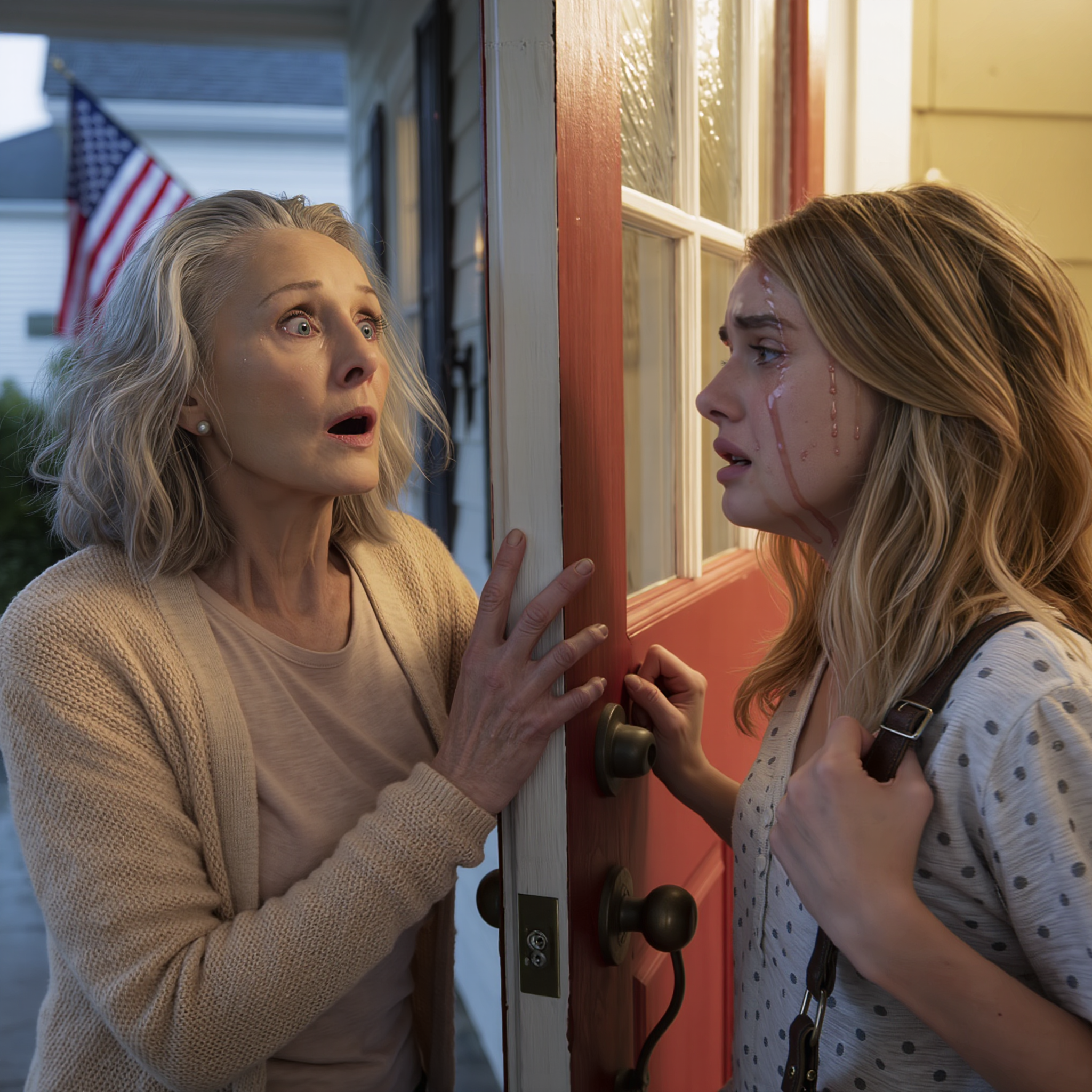
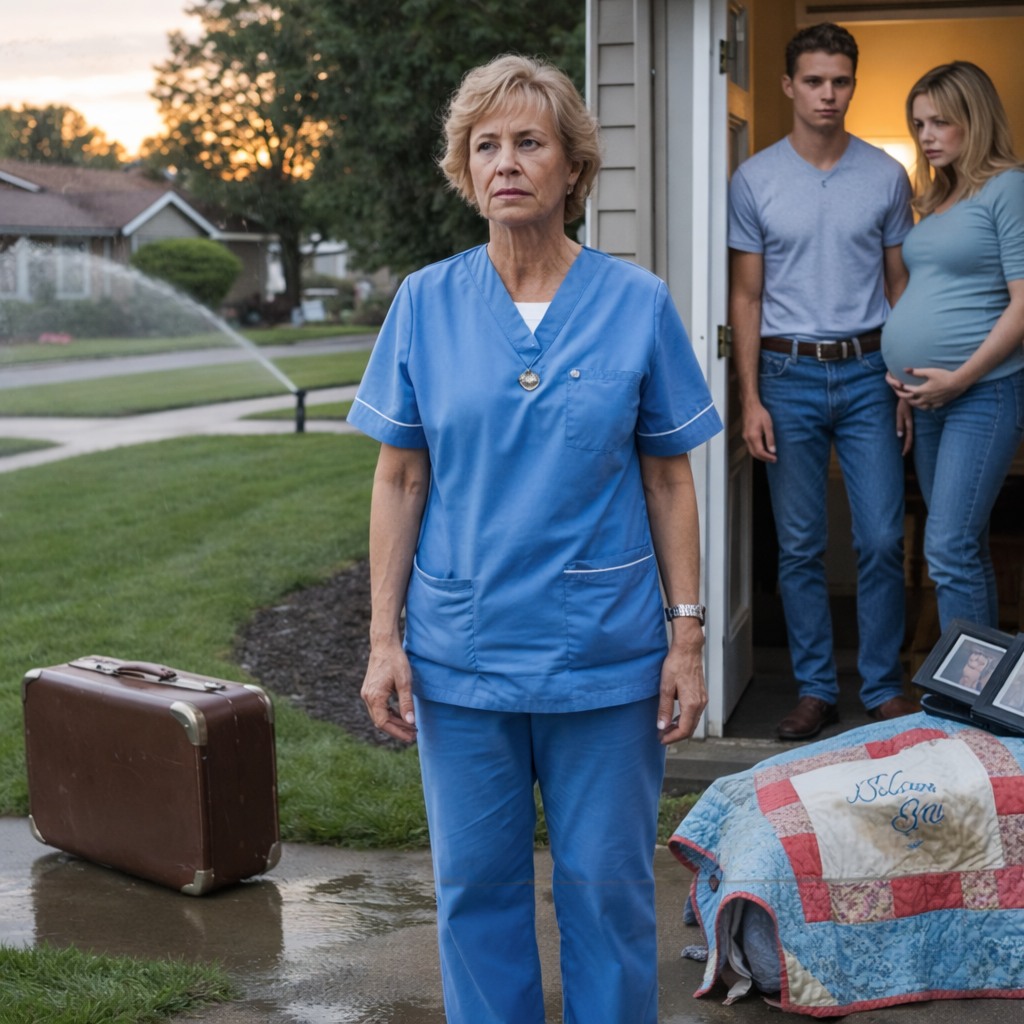
The thud of my old leather suitcase hitting the grass was the loudest sound I’d ever heard. It was followed quickly by the sharp click of the deadbolt sliding into place. My son, Kevin, wouldn’t even look me in the eye through the glass door. Standing behind him was his wife, Marissa, her arms crossed and a look of cold triumph on her face. “It’s just math, Eileen,” she had shouted through the screen moments before. “We’re trying to save for a summer home, and we can’t have ‘one more mouth to feed’ and one more person using the AC. You have your social security; go find a senior studio.” I stood there at sixty-seven years old, staring at the flower beds I had planted with my own hands, suddenly a stranger to the home I had lived in for thirty years.
Kevin had always been a follower, and Marissa had spent the last three years convincing him that I was a “burden” on their upward mobility. They saw me as a live-in babysitter and maid who had overstayed her welcome. They assumed that because I lived in the “in-law suite” and let them handle the utility bills, I was a guest in their house. They forgot that when Kevin’s father passed away, he left the house to me, and I had simply allowed Kevin to move in to help him get on his feet after his first divorce. I never asked for rent; I only asked for a place to grow old. But greed has a way of erasing memory.
The Architect of a Silent Ownership
I didn’t pound on the door. I didn’t scream for my neighbors to see the shame of my own flesh and blood treating me like trash. I picked up my suitcase, walked to my car, and drove to the local branch of the bank where I kept my private accounts. Kevin and Marissa believed that the house was “theirs” because I had added Kevin’s name to the deed ten years ago as a “Right of Survivorship” to avoid probate. What they didn’t realize was that I had also established a “Life Estate” and a specific “Revocable Occupancy Agreement” that dictated the terms of his residency.
The agreement was simple: Kevin could live there rent-free as long as the primary owner—me—resided on the premises and was provided with “peaceful enjoyment” of the property. By physically evicting me and changing the locks, Kevin hadn’t just been a bad son; he had committed a material breach of a legal contract. I sat in the bank manager’s office, a woman I had known for twenty years, and handed her the paperwork. “It’s time, Martha,” I said. “They’ve decided I’m a mouth they can’t feed. Let’s see how they handle the appetite of a mortgage.”
The Reckoning of the Eviction Notice
I moved into a lovely, furnished apartment downtown—a place I could easily afford with the savings Kevin never knew I had. I spent two weeks enjoying the silence and the fact that I didn’t have to cook for anyone but myself. Meanwhile, back at the house, the “math” Marissa was so fond of was about to change. Because Kevin had breached the occupancy agreement, the “Life Estate” triggered a clause that converted his residency into a standard commercial lease at market rate—retrospective to the date of my eviction.
On a Tuesday afternoon, while Marissa was likely browsing for that summer home, a process server knocked on the door. It wasn’t an apology from me; it was a “Notice to Vacate or Pay Arrears.” The bank, acting as the trustee of my estate, informed them that since the primary resident (me) had been forced out, the property was being put on the market for sale. They were given thirty days to come up with $450,000 to buy out my share, or they would be evicted by the same sheriff they had threatened to call on me.
The Silence of the Displaced
The phone calls started within the hour. Kevin was sobbing, claiming he “didn’t know” about the legalities and that Marissa had “pushed him too far.” Marissa tried a different tactic, calling to tell me how “unstable” I was being and that I was “destroying the family” over a simple misunderstanding. I didn’t answer the phone. I let my lawyer handle every interaction. I learned that when people treat you like a line item in a budget, the only way to respond is with a balance sheet they can’t balance.
They couldn’t afford the buyout. They couldn’t even afford the back rent. They had to move into a cramped two-bedroom apartment on the other side of town—the very “senior studio” style living they had suggested for me. The house sold for a significant profit, which I used to fund a very comfortable retirement and a series of donations to local homeless shelters. I made sure they didn’t get a single cent from the sale. If I was “one more mouth to feed,” then I was a mouth that no longer had a seat at their table.
The Peace of the New Key
I learned that you can’t buy love, but you can certainly own the roof over the head of those who pretend to love you. I am sixty-eight now, and my new home has locks that only I have the key to. I spend my mornings on my balcony, drinking expensive coffee and watching the city wake up, knowing that I am no longer a “burden” to anyone.
Kevin tries to reach out occasionally, usually when his car breaks down or Marissa’s credit cards are declined. I wish him well, but I don’t open the door. I’ve already fed him for thirty years; it’s time he learned to feed himself. The house is gone, the flowers I planted have been replaced by the new owners, and for the first time in my life, I am exactly where I need to be: free.