The Bitter Cold of the Inheritance
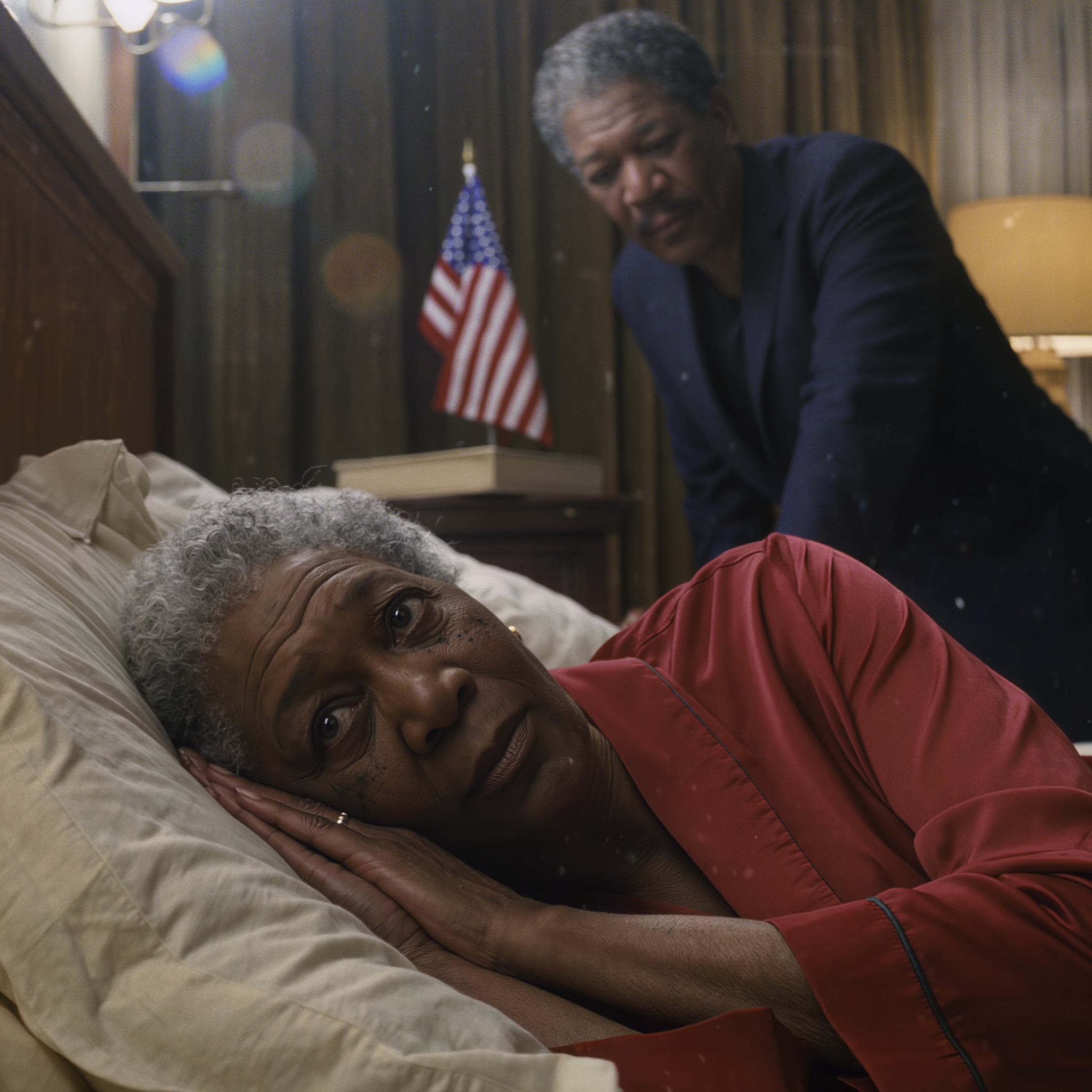
The reading of the will felt like a final, calculated slap in the face. My sister, Chloe, sat across the mahogany desk in her designer coat, already scrolling through Zillow to see how much she could flip our parents’ Westchester mansion for. “To Chloe,” the lawyer droned, “the family estate, the primary investment accounts, and the luxury vehicles.” Then he looked at me with a pitying sigh. “To Elias… the recreational property in Denali, Alaska.” Chloe actually snickered. “Enjoy the mosquitoes, Elias,” she whispered. “At least you’ll have a roof over your head, even if it’s made of moss and rot.” I walked out with a rusted key and a sense of abandonment that cut deeper than the Alaskan winter.
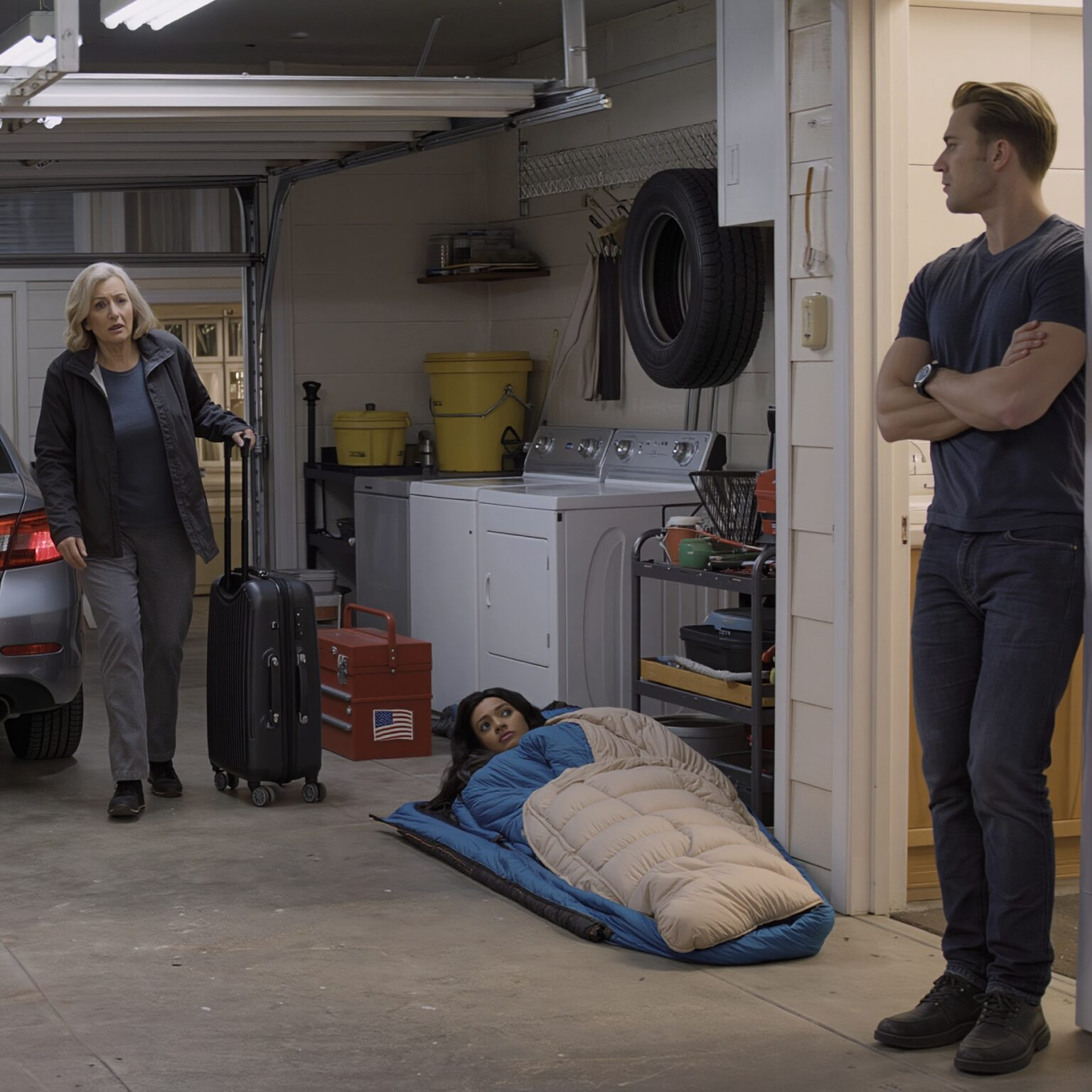
I arrived in Denali in the middle of a sleet storm. The “cabin” was a disaster—a leaning pile of cedar and spruce that smelled of damp earth and neglect. My parents had treated it as a joke for decades, a place to “punish” me for not following the corporate path Chloe had taken. I was at my lowest point, shivering in a sleeping bag on a warped floor, wondering why I was even bothering to fix a place that seemed to want to return to the earth. But as I tried to move a heavy, rusted wood stove to prevent the chimney from collapsing, the structural beam groaned, and the floorboards beneath me simply vanished.
The Architect of a Frozen Fortune
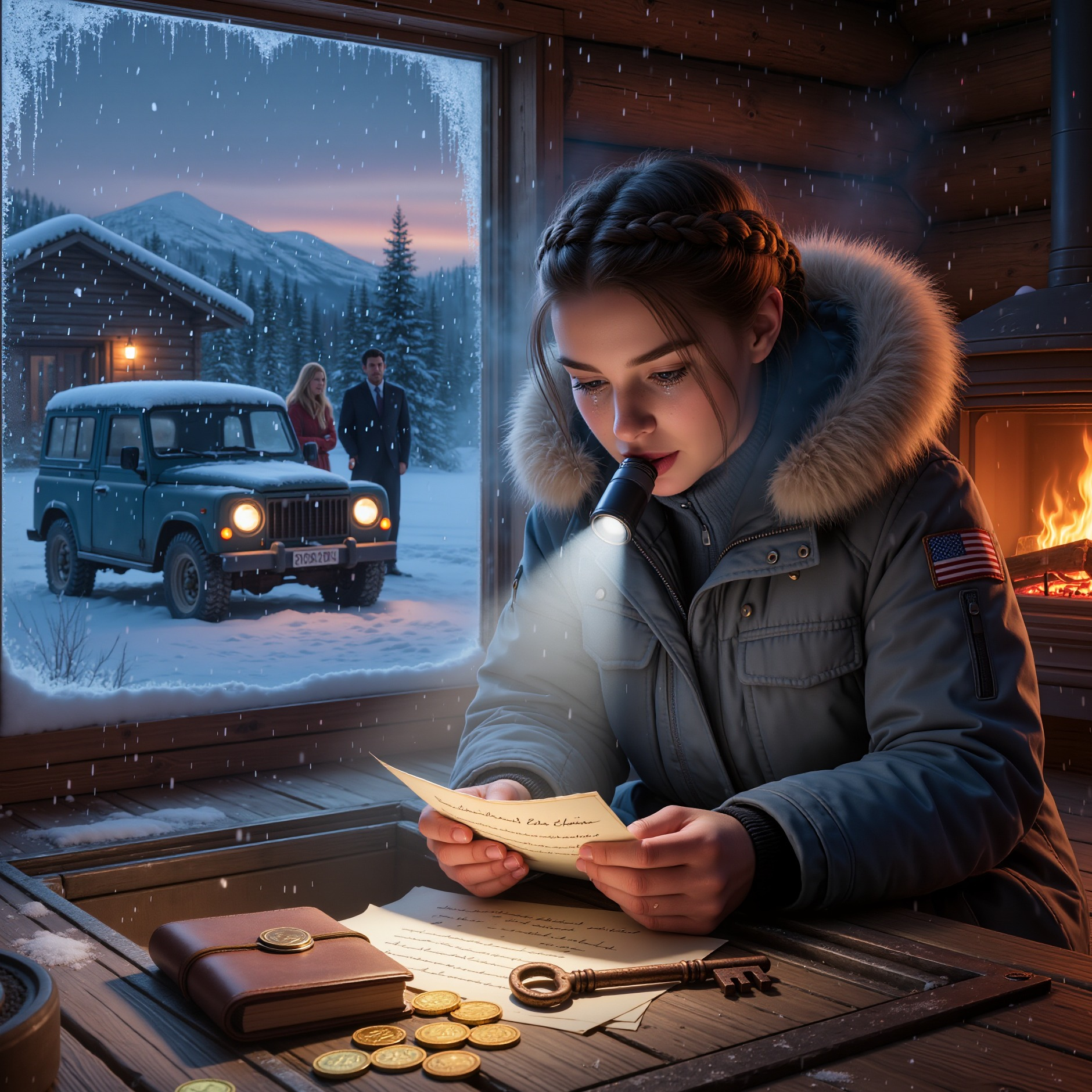
I fell through the floor into a crawlspace that shouldn’t have existed. It was stone-lined and bone-dry, protected by the permafrost. There, tucked inside an old metal footlocker wrapped in oiled canvas, I found my grandfather’s “lost” journals. Everyone thought he had died penniless in the 1950s, a “failed” gold prospector. But as I flipped through the handwritten ledgers, I realized the truth was far more valuable. He hadn’t been looking for gold; he had been a secret land surveyor for the nascent oil and mineral industry.
The journals contained a series of original, unrecorded mineral rights claims and land deeds covering nearly 4,000 acres of what was now prime industrial territory. Because he had registered them through a private territorial trust that bypassed the standard public records of the time, the rights had never been extinguished. According to the ledgers, the “rotting cabin” sat at the center of a geological anomaly that held one of the largest untapped rare-earth mineral deposits in North America—a $80 million legacy that had been waiting for sixty years for someone to fall through the floor.
The Reckoning of the Hidden Deed
I spent three months working with a specialized mining attorney in Anchorage, keeping my discovery entirely secret. I lived in that cabin, fixing the walls by day and mapping a fortune by night. Meanwhile, in Westchester, Chloe was drowning. She had blown through the $750k mansion’s equity in a year of bad investments and high-fashion galas. She started calling me, her voice dripping with artificial sweetness. “Elias, sweetie, I’m thinking of selling the mansion and moving up to Alaska with you. We could turn that cabin into a ’boutique retreat.’ I’m sure you’d love some company.”
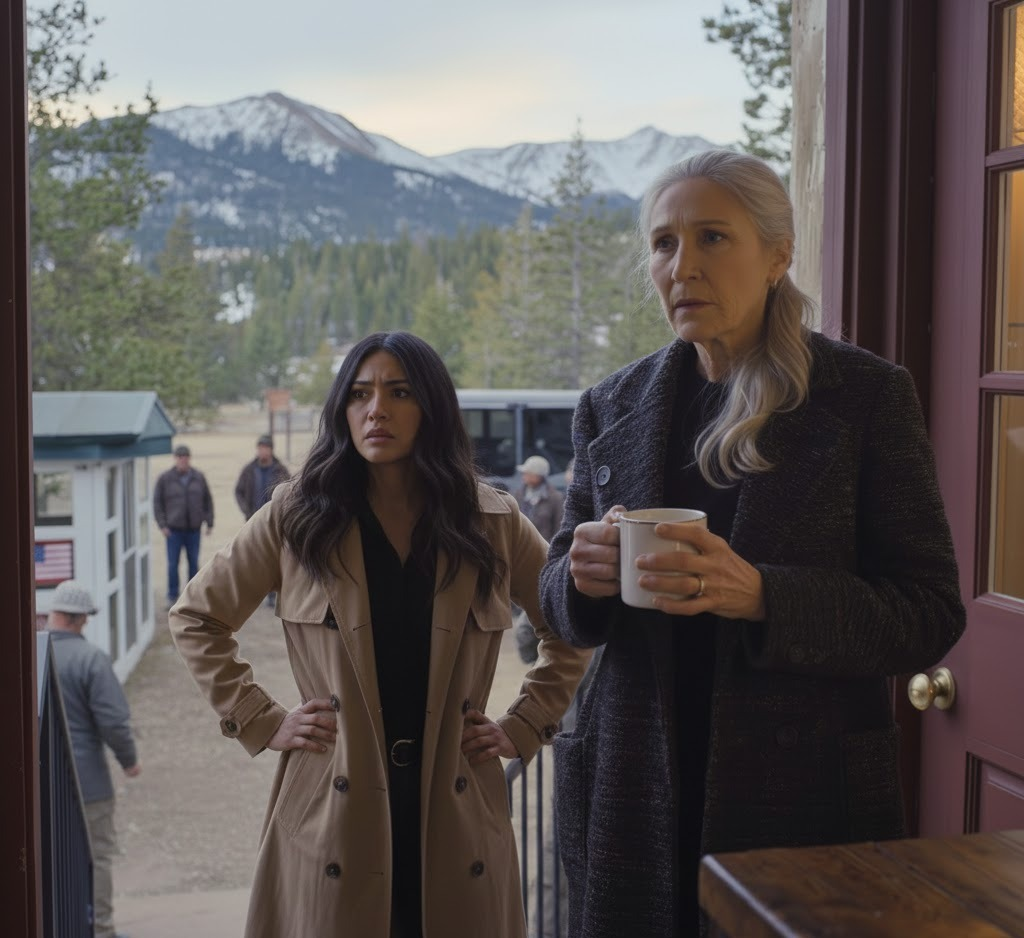
I didn’t answer her until the final mining permits were signed and the first royalty check was cleared. I invited her to the cabin, telling her I had “something of our parents’ to show her.” She arrived in a fur coat, complaining about the bush plane and the mud. “God, Elias, this place is even worse than I thought,” she sneered, looking around at the simple interior. “I hope you’ve saved up enough for a ticket home, because I’m taking control of the estate now.”
The Silence of the Westchester Fall
“Actually, Chloe,” I said, handing her a copy of the mineral rights deed. “You took the house, the cars, and the cash. You took everything our parents thought had value. But you forgot that Grandpa didn’t believe in banks. He believed in the land. This ‘rotting cabin’ is the operational headquarters for a mineral project valued at $80 million. And because the will specifically gave me the land and all associated rights while you got the ‘liquid assets,’ you don’t own a single pebble of this fortune.”
Chloe’s face went from smug to ghostly white as she realized the “math” had shifted. She tried to claim our parents would have wanted us to “share,” but I reminded her of the “Go find a bench” comment she’d made at the funeral. I gave her exactly what she gave me: nothing but a cold shoulder. I didn’t need to be cruel; the reality of her debt-ridden mansion was enough. She left the cabin in tears, realizing that while she was busy polishing the silver in Westchester, I was sitting on the gold mine she’d thrown away.
The Peace of the Alaskan Sky
I learned that the most valuable inheritances aren’t always the ones wrapped in velvet and gold leaf. Sometimes, they are buried under the rot, waiting for the person who isn’t afraid to get their hands dirty. I am currently building a state-of-the-art research facility on the property, and the cabin has been restored as my private library—the floorboards reinforced, but the crawlspace kept as a reminder of where the truth lives.
Chloe is currently fighting off foreclosure, finally learning that a mansion is just a pile of bricks if you don’t have the heart to match it. I spend my evenings on the porch, watching the Northern Lights dance over a landscape that I finally understand. My parents thought they were giving me a burden, but they accidentally gave me a kingdom. And the best part? The air in Alaska has never smelled so much like freedom.