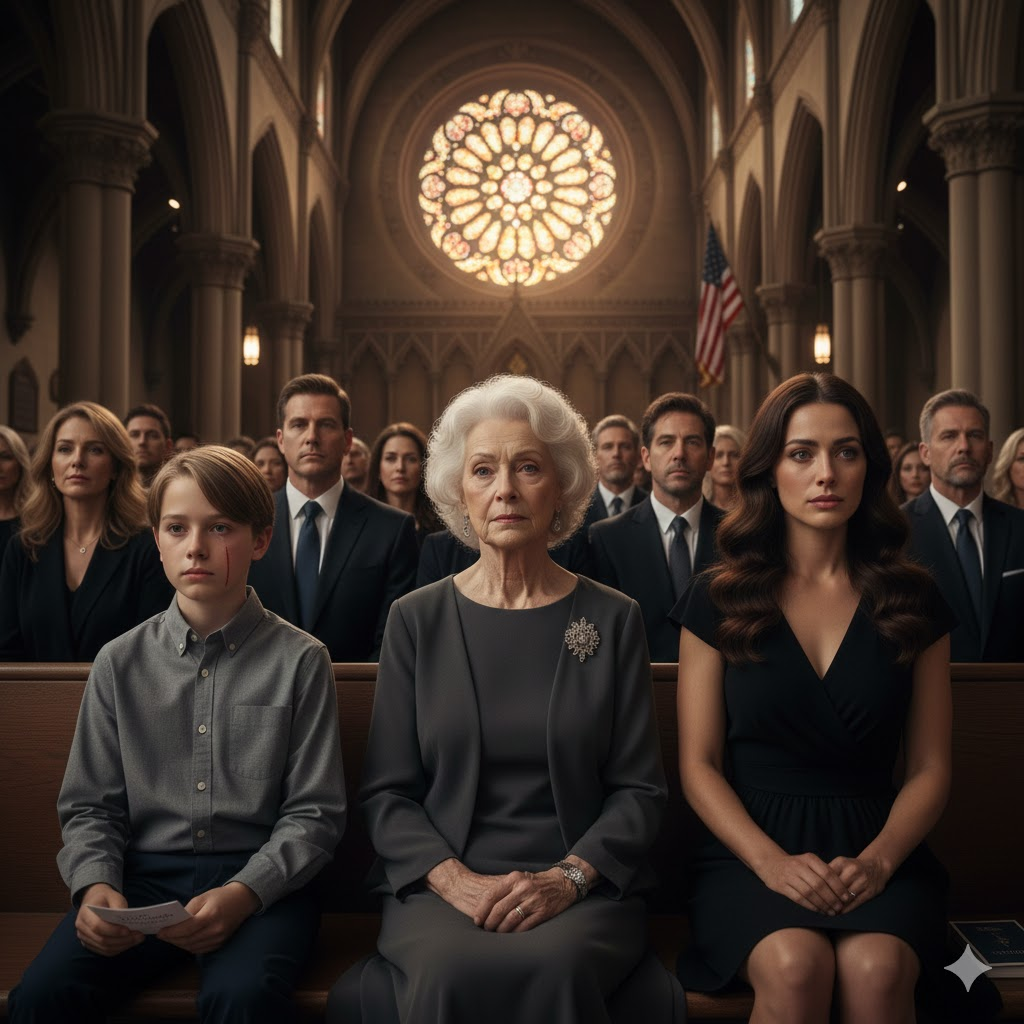
I had reached 55 with what I thought was everything a person could want: a sprawling mansion, luxury cars, investments that grew quietly in the background, and the subtle satisfaction of a life I had built carefully, without shortcuts. My son and daughter-in-law were part of this world, but even in my optimism, I had no idea the darkness that lurked behind polite smiles and forced family dinners. That darkness revealed itself slowly, like a shadow creeping over a sunlit floor.
It started with small things: a “borrowed” car that never returned, subtle withdrawals from accounts, whispered conversations behind my back that I chose not to notice. I convinced myself it was coincidence, youth’s folly, or perhaps misunderstandings. But the truth revealed itself in one devastating wave. I woke one morning to discover that the mansion, the cars, my accounts—everything—was gone. They had conspired, my own son and his wife, taking the fruit of decades of my labor. It was precise, calculated, and merciless. I could not even comprehend the betrayal. My own child, the one I had raised, the one I had protected through storms, had turned against me.
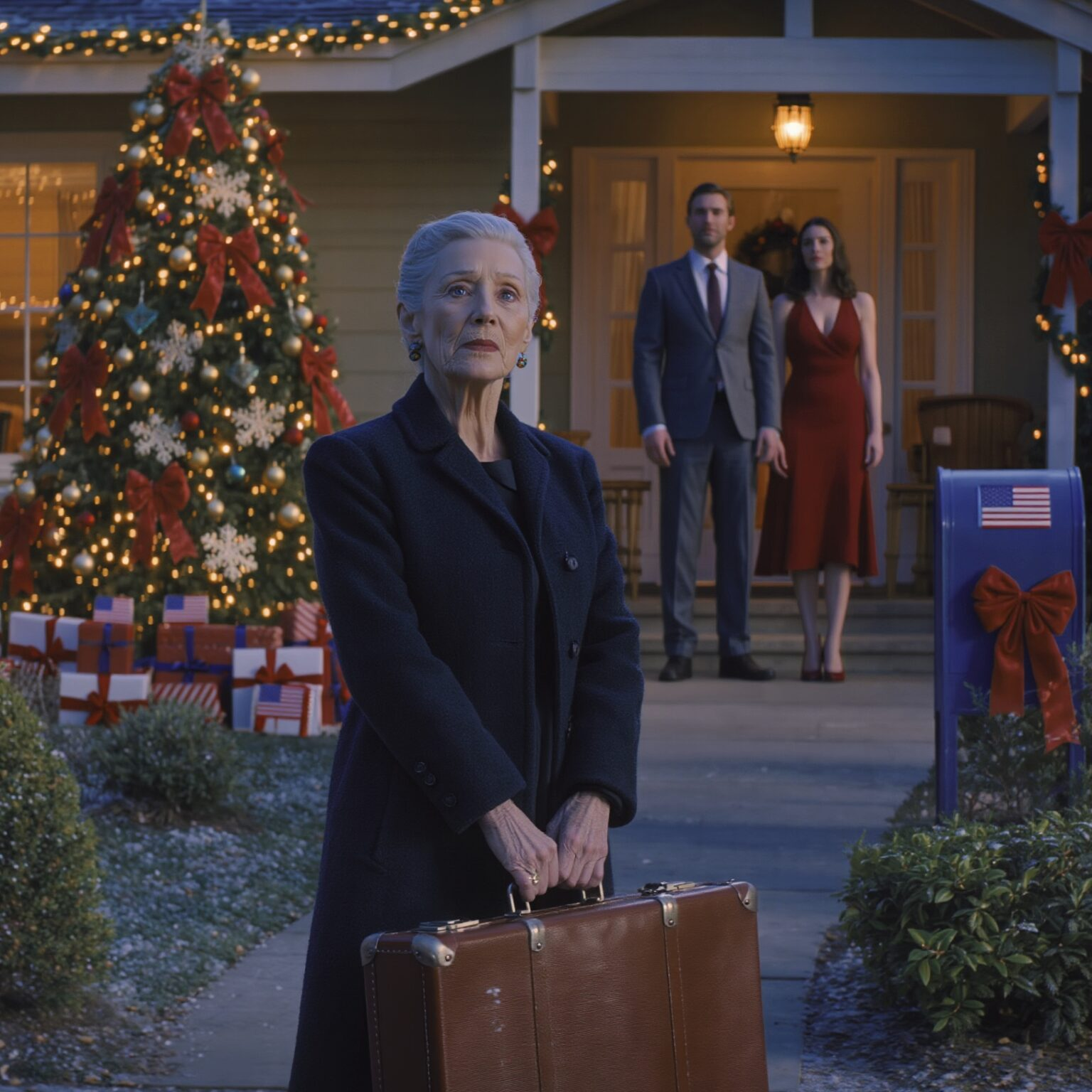
I left. I ran away to another state, carrying only what I could fit into my old suitcase: clothes, a few keepsakes, and a sense of quiet dignity that no money could take. For days, I wandered through the unfamiliar streets of a city that smelled different, felt different, and demanded new rules. Every night, I lay awake thinking of the life I lost, of the trust broken, of the love I had assumed would carry us through everything. Tears came, rage came, despair came, but slowly, a sense of determination emerged. I would not let their greed define me. I would rebuild—not for revenge, not for recognition, but for myself.
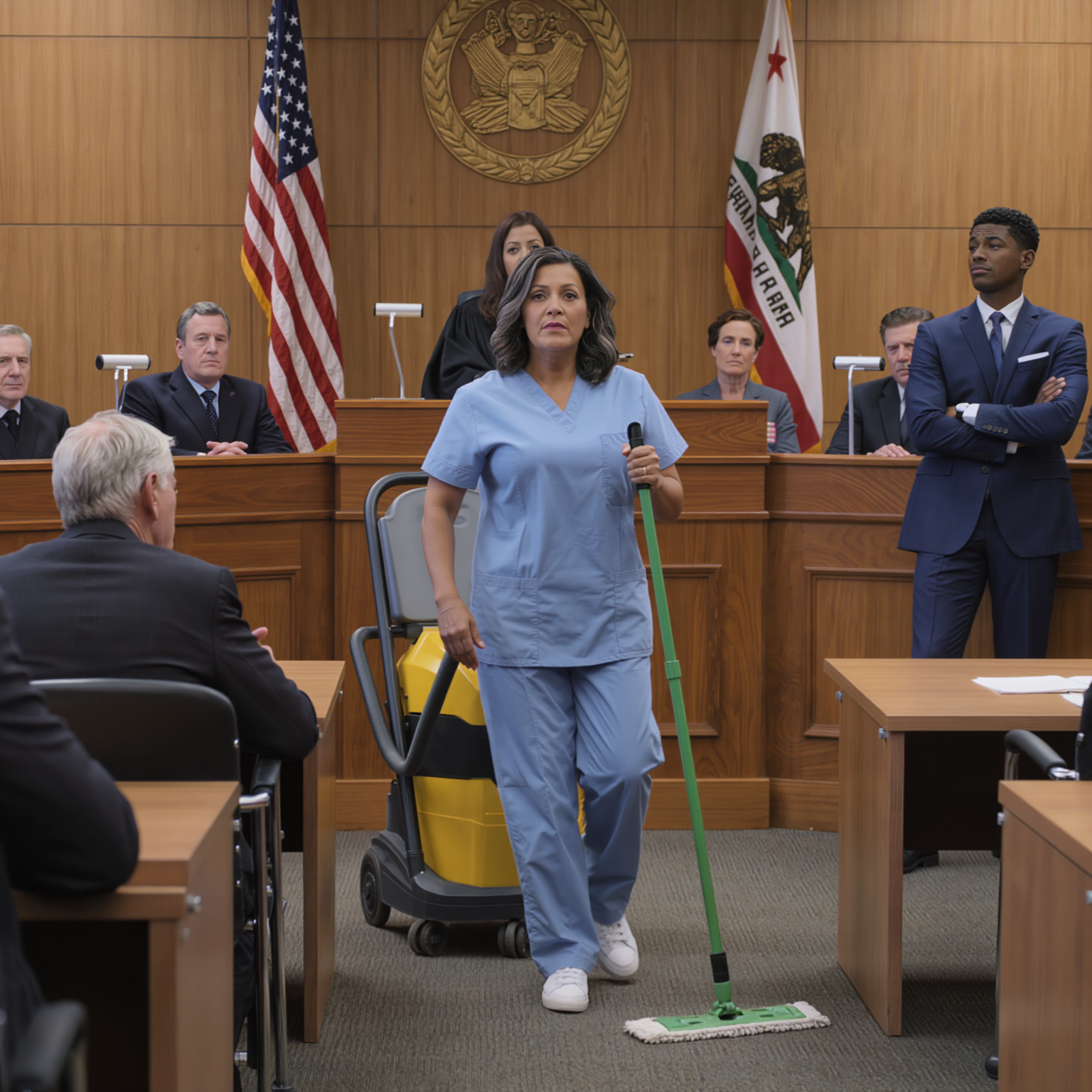
Finding work at my age was not simple. I applied to small jobs, humble ones, positions where no one expected a person with my previous lifestyle to adapt. The first job was cleaning tables at a small diner downtown, the kind where the smell of eggs and coffee filled the morning and strangers became familiar faces. Each time a customer smiled or thanked me, I felt a small spark of pride. It was a strange feeling, to earn respect not through wealth but through effort, but it was exhilarating. My body ached, my hands grew rougher, yet my mind became clearer. With each paycheck, I began saving again, this time not for the approval of others, but for independence.
I rented a modest apartment, the kind where the walls were thin and the floors creaked, but where every corner was mine. I decorated it slowly, inexpensively, with what I could find at thrift shops and local markets. The apartment became a sanctuary, a place where I learned to appreciate the small joys I had overlooked in my life of luxury: the smell of coffee brewing, the quiet of early mornings, the comfort of a blanket wrapped around my shoulders while reading a book at sunset. Every day became a lesson in gratitude, a subtle reminder that life’s richness is not measured in possessions, but in moments and choices.
Months passed. I met people who had no connection to my past, people who valued kindness over status, honesty over appearances. A neighbor taught me how to care for a small balcony garden; another shared stories of overcoming illness; a barista became a friend with whom I discussed everything from politics to philosophy. I discovered that human connection could thrive even without wealth. It was a revelation, bittersweet but liberating.
Meanwhile, word of my disappearance reached my son and daughter-in-law. I received a letter one afternoon, delicately folded, with words meant to manipulate: pleading, apologizing, asking me to return, to forgive, to sign documents. I read it once, then placed it in the drawer. I had nothing to give them anymore. My forgiveness was not for their convenience; my life had already moved forward. They expected regret and submission, but what they received instead was silence. A silence louder than any wealth could create, a silence that whispered, I am free.
Years continued to pass. The small diner became a thriving café, one I eventually owned after saving carefully, learning the ropes, and negotiating patiently. The work was hard, yet honest. I created a space where locals felt at home, where stories were shared over warm drinks, and where laughter echoed more than the clinking of cash registers. My life, rebuilt brick by brick, became a testament not to what I lost, but to what I chose to create. The betrayal that once consumed me became a distant memory, softened by the reality that I was now thriving on my own terms.
I occasionally heard about my son and daughter-in-law from mutual acquaintances. They had splintered under the weight of their own greed. Investments collapsed. Friends abandoned them. The mansion stood empty for months, and the cars they had flaunted sat in garages, unpaid, forgotten. I did not rejoice in their misfortune. I simply acknowledged the natural consequences of choices made without integrity. I had no need to interfere; life had a way of balancing itself without my involvement.
On quiet evenings, when the sky turned pink and the city lights reflected gently on wet streets after rain, I would walk through my garden on the balcony, feeling the soil between my fingers. I would sip tea and reflect, not on loss, but on endurance. I had lost millions, yet I had gained resilience, creativity, community, and a life worth living. The freedom that comes from rebuilding is unlike any wealth I had ever held in my hands.
Looking back, I realized that being stripped of everything I once owned was not a punishment—it was a blessing. It forced me to discover what truly mattered, to nurture what could not be taken, to rely on my own strength rather than inherited or assumed security. It taught me that independence is priceless, and that dignity, once embraced, is unshakable. The story I had once thought ended in betrayal had become a story of triumph, of rediscovery, and of self-respect that no money, no family, and no manipulation could ever destroy.
And so, at 55, after losing everything, I found a life more fulfilling than I had ever imagined—a life I built with my own hands, with patience, with courage, and with a heart finally at peace. It was not the life I had planned, but it was the life I had earned. And for the first time, I felt entirely, completely, and beautifully free.