The Architecture of a Legacy
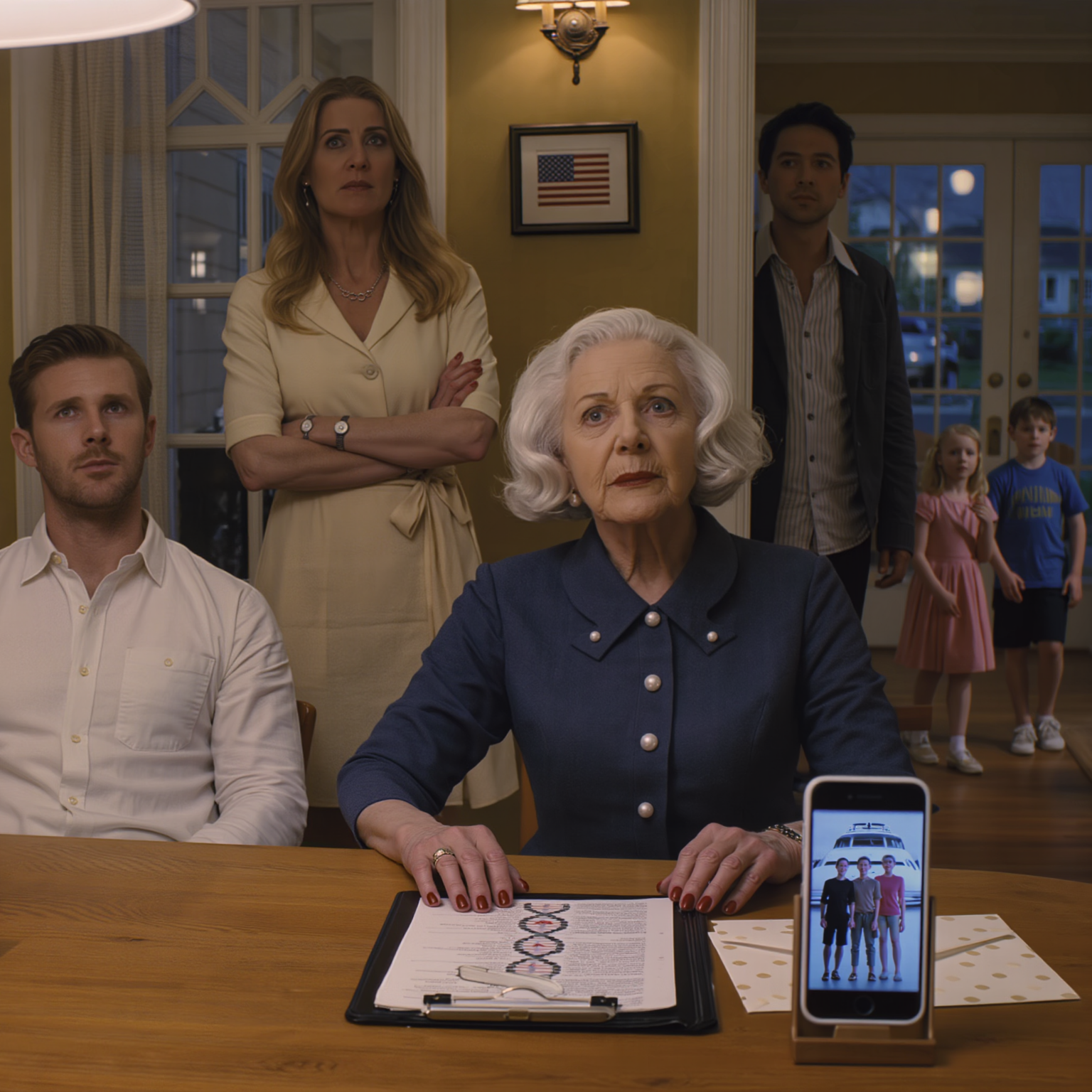
For decades, I worked in silence to build what my son, Marcus, jokingly referred to as “The Empire.” It wasn’t a kingdom of gold and crowns, but a meticulously managed portfolio of commercial real estate and a family-owned logistics firm that had been in my family for three generations. I took over the business when my husband passed away young, and I spent twenty-five years ensuring that Marcus would never know the sting of financial insecurity. I paid for the ivy league education, the luxury cars, and the seed money for his own boutique architectural firm in Portland. I wanted him to be his own man, but I made sure the ground beneath his feet was made of solid granite. I always intended to step back and let him lead, but I harbored a quiet fear that he lacked the ability to see people for who they truly were, often mistaking ambition for affection. When he introduced me to Tiffany, a sharp-edged publicist with a taste for the finer things and a visible disdain for “old money” traditions, those fears began to crystallize into a cold, hard reality that I couldn’t ignore.
The Portland Power Play
The wedding was held at a historic estate in the hills of Portland, a venue that cost more than most people’s annual salary—a bill I paid in full without a single complaint. I wanted Marcus to have the day of his dreams, even if the woman standing next to him made my skin crawl with her performative kindness. Throughout the evening, I watched Tiffany navigate the room like a politician, strategically ignoring my longtime friends while cozying up to Marcus’s business associates. She was already acting like the CEO of his life, making executive decisions about who was “useful” and who was “obsolete.” I stayed quiet, playing the role of the proud mother, until the late-night reception when the champagne had flowed a bit too freely and the masks began to slip. Tiffany found me in the darkened library, away from the music and the lights, and the sweetness she had worn all day vanished instantly, replaced by a chilling, predatory focus that told me exactly where I stood in her new world order.
The Declaration of Exile
Tiffany didn’t offer a thank-you for the wedding or a polite word about the flowers. She stepped into my personal space, her designer gown shimmering in the low light, and spoke with a terrifying level of confidence. “Let’s be clear, Eleanor,” she hissed, her voice low enough to stay between us but sharp enough to cut. “Today was the last time you play the matriarch. Starting tomorrow morning, you are no longer family. You are a guest who stayed too long. I am the one who decides who is in Marcus’s circle, and you don’t fit the brand I’m building for us. You’ll be receiving a schedule for when you’re allowed to see the future grandchildren, and it won’t be often. I’m the one who decides now, and I’ve decided you’re retired from this family.” She stood there, waiting for me to gasp, to cry, or to beg for a place at their table, her eyes filled with the triumph of someone who thought they had just executed a perfect corporate takeover of a human life.
The Gift-Wrapped Revelation
I didn’t flinch. In fact, I felt a strange sense of relief, the kind you feel when a storm finally breaks after days of humidity. I reached into my clutch and pulled out a small, elegant silver folder tied with a white silk ribbon—a gift I had intended to give them privately the next morning. “It’s funny you should mention decisions, Tiffany,” I said, my voice as steady as a surgeon’s hand. “Because I spent the last month making a few of my own.” I handed her the folder. Inside wasn’t a check for a honeymoon or a deed to a new house. It was a formal legal notice from the board of directors of the family firm and the trustees of the Marcus Avery Trust. Tiffany’s brow furrowed as she scanned the documents, her face slowly draining of color as she reached the bottom line. She realized too late that she hadn’t married into a fortune; she had married a man who was, as of five minutes ago, an employee on a very strict performance-based contract with zero access to the principal capital she had been eyeing all evening.
The Reality of the “Empire”
The documents detailed a radical restructuring of the family’s assets. Because Tiffany had made it clear during the engagement that she viewed our family business as her personal “rebranding project,” I had taken the liberty of moving the entire logistics firm into a charitable foundation that Marcus could manage but never own. Furthermore, the commercial properties were moved into a blind trust that would only disburse funds for Marcus’s basic living expenses, with a strict “iron-clad” pre-marital clause that excluded any spouse from ever claiming a cent in a divorce or through marital assets. I had essentially turned the “Empire” into a fortress that she was standing outside of, despite her new wedding ring. “You see, Tiffany,” I whispered as she stared at the papers in horror, “you can decide who is in your circle, but I decide who owns the chairs you’re sitting in. If I’m not family, then neither is my money. Enjoy your ‘independent’ life. I hope your publicist salary can cover the mortgage on that mansion you just signed for, because the trust certainly won’t be paying it.”
The Morning After the Storm
The fallout was spectacular. Marcus tried to intervene, but when he realized that his own signature was on the original trust documents from years ago—giving me the power to restructure in the event of “threats to the estate’s integrity”—he had no legal leg to stand on. Tiffany spent the first week of her marriage in a state of hysterical rage, realizing that the “power” she had snatched was actually a heavy burden of debt and high expectations. They didn’t go to the Maldives; they went back to their apartment in Portland to figure out how to pay back the vendors I had suddenly decided were “their responsibility” since I was no longer family. I moved to my villa in Italy two weeks later, leaving the rainy hills of Oregon behind. I still love my son, and the door is always open for him, but as for his wife, she got exactly what she asked for: a life where she is the only one who decides. It just turns out that when you have nothing, there isn’t much left to decide on.