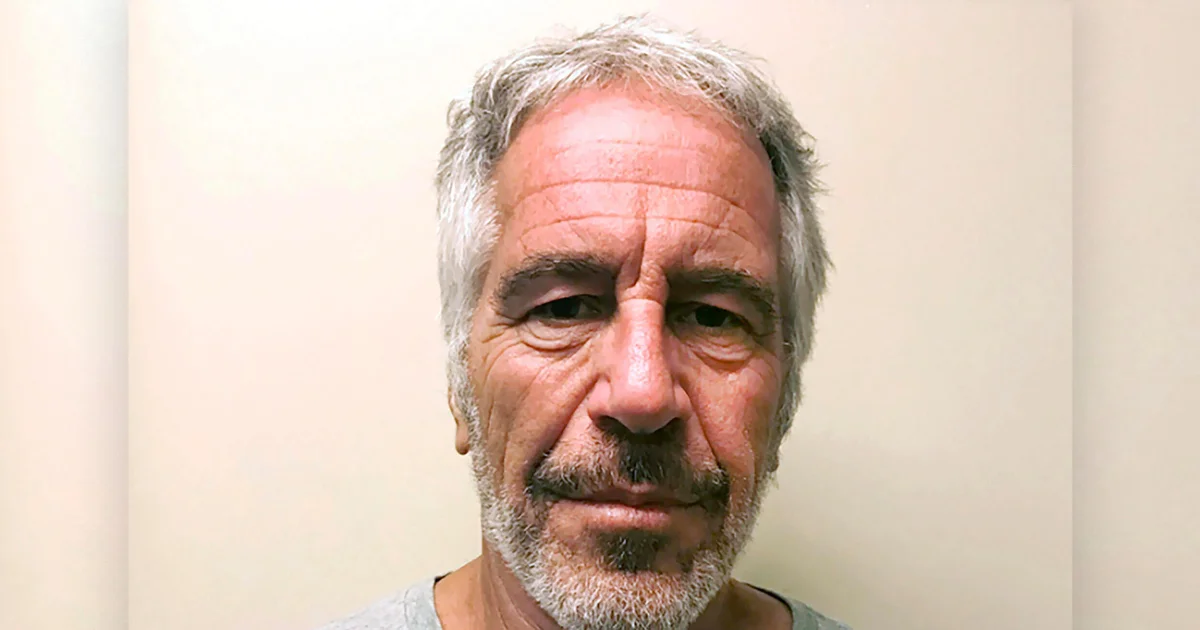
A horrific attack aboard a Chicago commuter train has renewed scrutiny of the city’s criminal justice system after Lawrence Reed, 50, was federally charged with committing a terrorist act by setting a 26-year-old woman ablaze.
Reed allegedly boarded a downtown “L” train, poured gasoline over the victim from behind, chased her through the car, and then ignited the liquid, leaving the woman in critical condition with life-threatening burns.
Criminal History & System Failures
Reed’s criminal background is extensive: records indicate more than 70 prior arrests, spanning 30 years, and at least 15 convictions, including arson, assaults, and battery-related offenses. Alarmingly, he was out on electronic monitoring for a separate aggravated battery charge when the train attack occurred.
Authorities say that earlier in the same year, Reed was convicted of aggravated arson but was only sentenced to probation — a decision now being called a grave mistake given the outcome.
Court filings also show repeated curfew violations while under monitoring, yet Reed remained free. One judge reportedly modified his conditions allowing increased out-of-home hours.

Reactions & Implications
Federal prosecutors in the case characterized Reed as a “clear danger to the community,” saying his repeated offenses show he has “been given chance after chance.” Chicago officials and public-safety advocates have described this as “an absolute failure” of the justice and mental-health systems.
Questions are now being raised about pretrial release practices, home monitoring oversight, and how individuals with severe histories are managed — especially when they are accused of violent crimes.
What to Watch
- The progress of the federal terrorism case and whether Reed will face life in prison if the victim does not survive.
- Review of Chicago’s and Illinois’ pretrial supervision and electronic monitoring systems, including how curfew violations were handled.
- Potential policy reforms aimed at preventing similar incidents, including how violent offenders with lengthy rap sheets are released and supervised.

Summary:
A brutal train attack has exposed systemic cracks: Lawrence Reed, a career criminal with dozens of arrests and convictions, remains free despite repeated warnings — until this violent act forced authorities to finally act. His case may serve as a turning point in debates over public-safety policy and criminal-justice reform.