The Silent Witness at the Water’s Edge
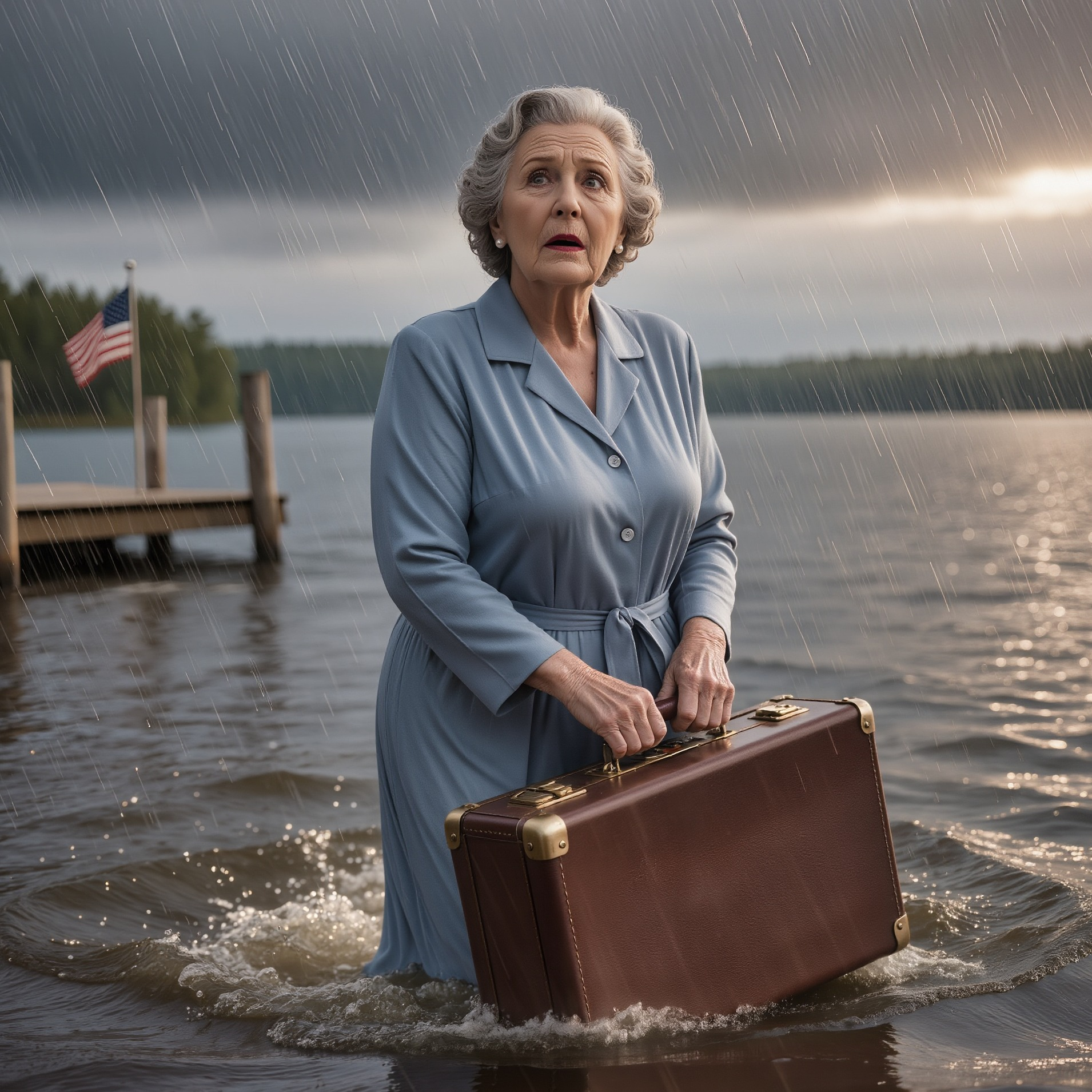
The air was crisp and smelled of decaying leaves when I saw her car tear down the dirt path toward Meridian Lake. My daughter-in-law, Chloe, had always been a woman of high tempers and low patience. I was tucked away in my bird-watching blind, a hobby she often mocked as “an old woman’s waste of time.” I watched as she stormed to the trunk, her face a mask of cold fury. She pulled out the vintage Italian leather suitcase I had given her five years ago—a family heirloom that had traveled the world. Without a second thought, she swung it over her head and hurled it into the dark, silted water. “Good riddance to you and your pathetic history!” she screamed at the ripples.
I stayed silent, my heart hammering against my ribs. I knew exactly why she was there. We had argued that morning about her plan to sell the family estate and move my son to a penthouse in the city. She thought that by destroying the “clutter” of the past, she could erase the influence I had over their lives. She viewed the suitcase as a symbol of my “suffocating” traditions. What she didn’t realize was that I had used that suitcase to hide the “Vance Covenant”—the original hand-inked deed and the physical share certificates that dictated the ownership of the estate.
The Architect of a Hidden Legacy
Chloe believed that ownership was a digital certainty, something that lived in a computer at a bank. She didn’t understand the “Physical Possession” clause my father had written into the family trust sixty years ago. The trust stated that the legal title of the Meridian Lake Estate belonged to the family member who held the “Original Instruments of Transfer.” I had placed those documents in the false bottom of that suitcase for safekeeping during a recent renovation, intending to move them to a vault the following day. By throwing that suitcase into the lake, Chloe hadn’t just discarded a piece of luggage; she had committed an act of “Voluntary Abandonment of Essential Property.”
I waited until her car sped away before I waded into the shallows. The suitcase was heavy, waterlogged, and covered in lake mud, but the waterproof lining had held. I dragged it back to my blind, my hands trembling as I verified the documents were dry. Chloe thought she had “cleansed” her life of my presence. She didn’t realize she had just handed me the legal ammunition to prove she was unfit to manage the family’s assets.
The Reckoning at the Dinner Table
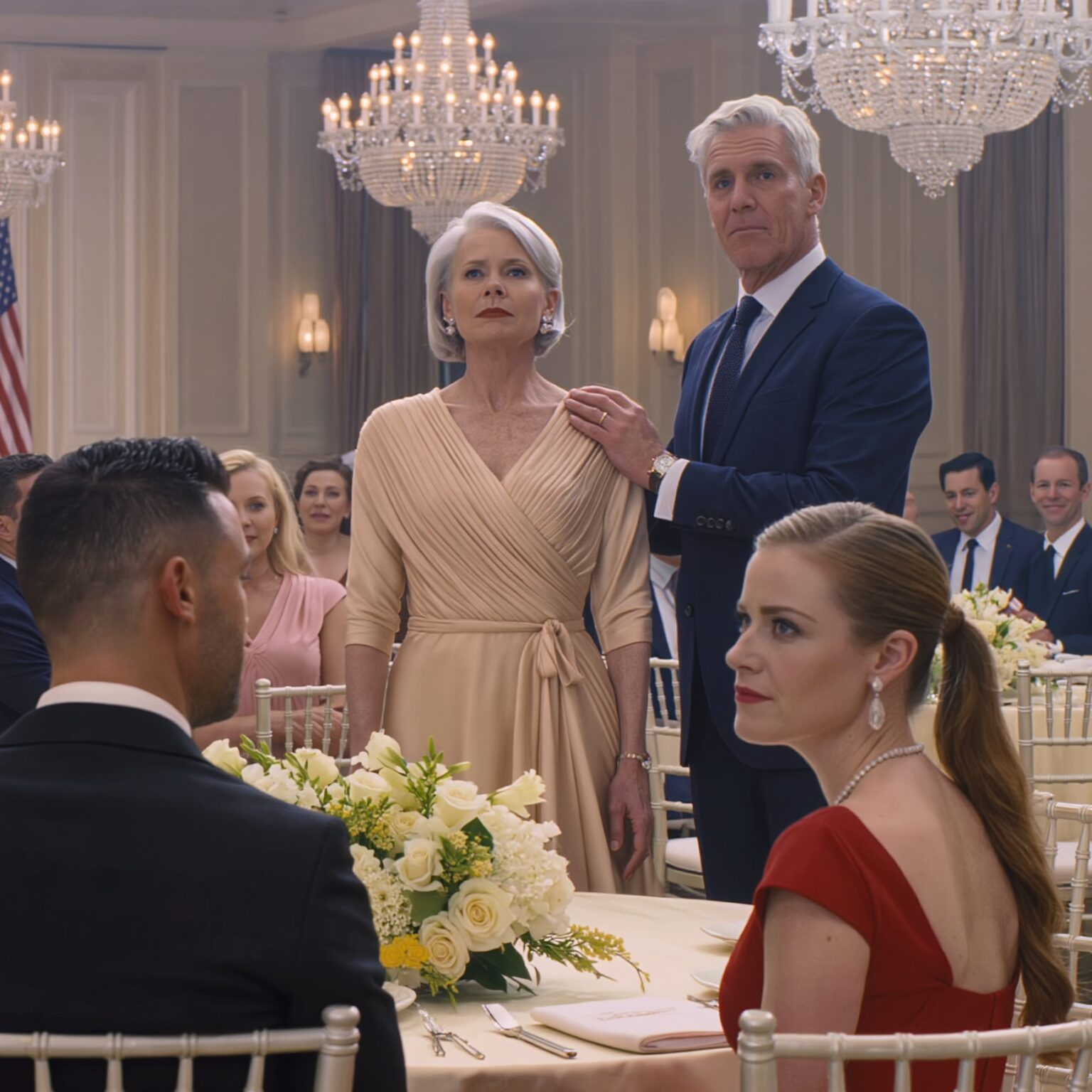
That evening, I sat at the mahogany dining table, the damp suitcase sitting prominently in the center of the room. When Chloe walked in, she turned pale, her eyes darting from me to the muddy leather. “Where… how did that get here?” she stammered, her voice thin and reedy.
“I went for a walk by the lake, Chloe,” I said, my voice as calm as the water had been. “I saw someone discard a piece of family history. Since you clearly found this ‘clutter’ so burdensome that you threw it into a public waterway, I’ve decided to take the burden off your shoulders permanently. I’ve already contacted the trust’s attorneys. Under the ‘Covenant of Care,’ your act of disposing of the physical deed constitutes a formal renunciation of your interest in the estate.”
The Silence of the Disinherited
The scream she let out was one of pure, unadulterated entitlement. She tried to claim I was “crazy,” that she was just “cleaning,” but the law doesn’t care about excuses—it cares about actions. My son, finally seeing the depth of her disrespect for our family’s history, didn’t defend her. He looked at the muddy suitcase and then at the woman he had married, realizing that someone who could throw away the past would eventually throw him away, too.
Chloe was given forty-eight hours to pack her new luggage—the cheap, plastic kind she preferred—and leave the estate. Because she had “abandoned” the deed, she lost the right to the multi-million dollar buyout she had been counting on. She left Meridian Lake with nothing but the echoes of her own scream.
The Peace of the Preserved Home
I learned that the things we value as “clutter” are often the very anchors that keep our lives from drifting away. I am sixty-eight years old, and the estate is finally quiet again. The suitcase has been professionally restored and sits in the library, a reminder that some gifts are too heavy for those with light hearts to carry.
My son stayed with me, and together we’ve turned the west wing into a historical archive for the community. I don’t go bird-watching as much anymore; I’m too busy making sure the history of this land is never thrown away again. Chloe is somewhere in the city, learning that a penthouse is just a box in the sky if you don’t have the roots to hold it up. The lake is still, the deed is safe, and the “old woman” is still the queen of the manor.