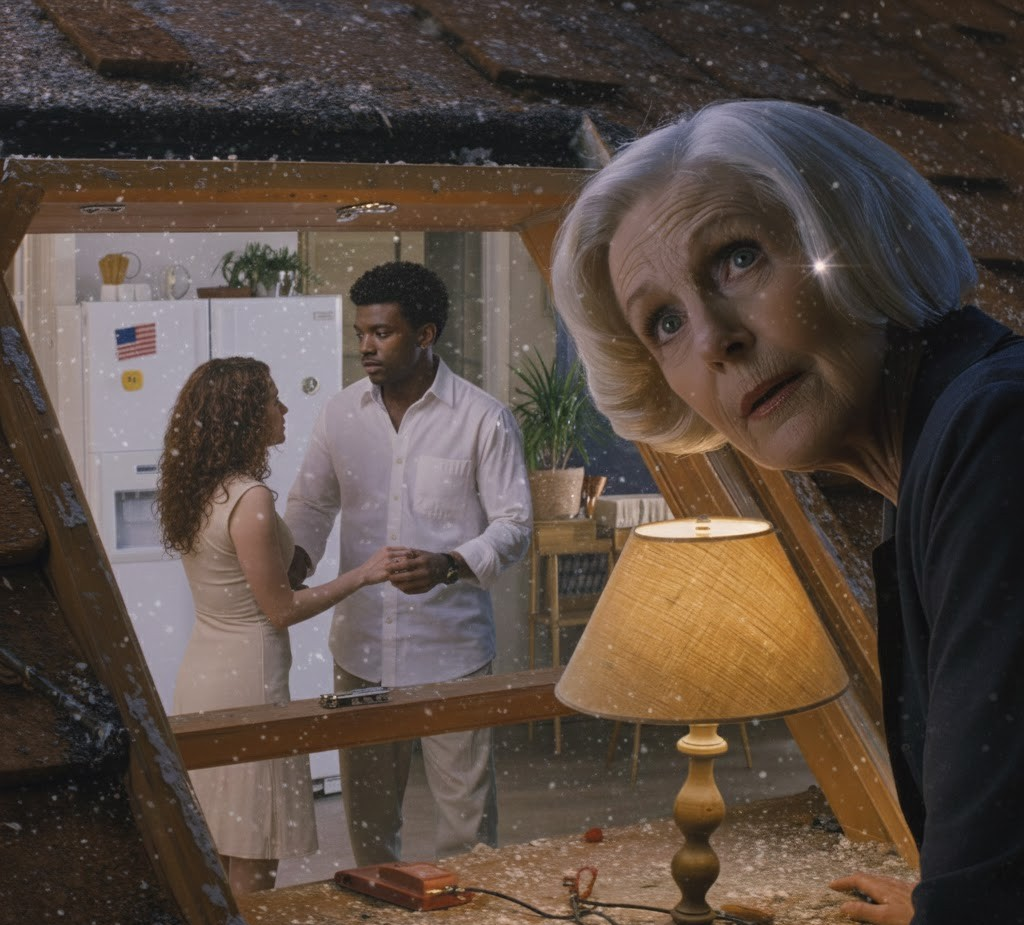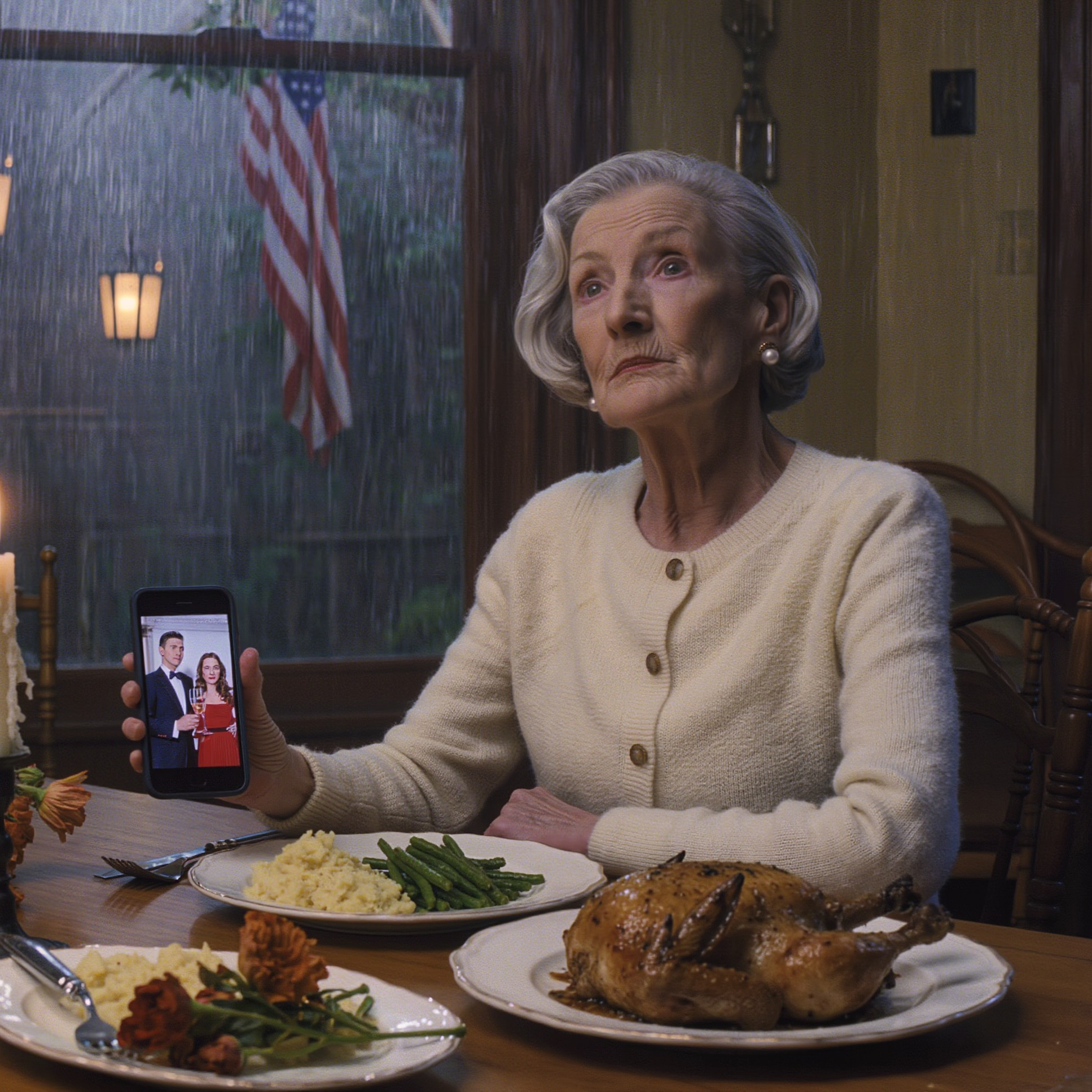
I never expected a will to feel like a verdict and a funeral to feel like a final betrayal. But life has a way of shattering all the assumptions you’ve built around love, family, and loyalty. When my son, Andrew, passed away suddenly — heart attack, swift, merciful in the way real tragedy often isn’t — everyone gathered at his house for the reading of his will. I thought it would be painful, yes, but I never imagined it would be humiliating. I pictured sorrow, maybe a few tears, perhaps some awkward silences. I didn’t picture what happened next: my daughter-in-law, Denise, standing in front of me with more contempt than I’d ever seen in her eyes, shaking the letter she claimed was dictated by my dead son, telling me I had no right to stay in the home that had been his, and that I should enjoy being homeless, because indeed she had “made arrangements for it.” The shock hit like ice in my veins. I stood there in my best dress, the same dress Andrew had complimented just last Christmas, and found myself speechless. I didn’t argue. I didn’t shout. I just smiled — that small, quiet, internal smile that people sometimes use when they have nothing left to lose.
I left that house with trembling hands and a heart so heavy it felt like granite in my chest. I walked out of the room, past relatives who avoided my eyes, past friends whispering condolences that felt hollow, and I stepped outside into the cold autumn air, clutching a crumpled envelope that was supposed to be a now-worthless will. As the front door clicked shut behind me, something in me broke softly — the part that believed family means unconditional love — but another part, deeper and quieter, settled into focus. I realized right then that I wasn’t going to be a victim of this moment. I would not crumble where they expected me to fall apart. And so, I walked — without a plan, without a home, without a place to lay my head that night.
The streets felt unfamiliar, yet strangely persistent, like a reminder that life continues even when the world as you knew it collapses. I wandered without direction until the sun dipped below the horizon and the city lights began to flicker on like fragile promises. I ended up in a small park bench under a flickering streetlamp, the autumn wind pulling chills down my collar, and the first tears slipped out — not from sadness, but from the exhaustion of disbelief. I replayed Denise’s words over and over in my mind. Not just the cruelty — that was bad enough — but the certainty in her voice. She sounded convinced I would become a burden, an obstacle, someone to be swept out of the way without remorse, like yesterday’s trash. I felt something dark and low settle deep in my chest — but I also felt a curious ember of resilience begin to glow.
I didn’t want pity; I didn’t want charity; I wanted dignity — something I hadn’t lost, despite how this day made me feel. I stayed on that bench most of the night, watching the city hum around me, strangers rushing past wrapped in coats, dragging their lives forward without looking back. And in that silence, I realized I had two choices: crumble into despair, or rise into clarity. I chose clarity, because Andrew — my son — deserved that much from me.
Morning came slow and pale, like a reluctant promise. I gathered myself and headed to a small coffee shop that opened early, my coat wrapped tight around me, my breathing calm but determined. I ordered a coffee, black, and sat in the corner with my thoughts. I looked at the people around me — some reading newspapers, others typing on laptops, barely aware of me or the sharp pain in my bones from lack of rest. I sipped my coffee and thought about the will, about Denise’s anger, about everything that had led to this moment. And then something unexpected crept into my mind — a question that was both quiet and urgent: What did Andrew really want? Because if he cared about me, he would never have left me penniless or abandoned. He wouldn’t have wanted this. Not deep down.
So I took out the crumpled envelope and examined it again. The handwriting was familiar — and part of me still believed my son had signed it willingly — but another part of me sensed something was off. Not because I didn’t trust him, but because people can’t betray you if they never had possession of your trust in the first place. I folded the note, took another sip of my cooling coffee, and made a decision: I was going to honor my son’s memory — not Denise’s interpretation of it.
I walked out of the café and headed toward the courthouse, the envelope in my pocket like a secret I wasn’t sure I wanted to find the end of. Inside the building, the air smelled of old wood and justice. I found the clerk and asked about the process for contesting a will. The woman looked me up and down, her face polite but distant, as though she’d seen my kind before — elderly, vulnerable on paper — and she handed me a pamphlet and an appointment slip. I clutched both tightly, like lifelines. When I left, the sun was higher, and something in me felt edged with possibility.
Over the next few days, I stayed in inexpensive motels, writing down every memory I had of Andrew, every conversation that mattered, every piece of evidence that would prove my son’s intentions were not what Denise had claimed. I talked to lawyers, jotting notes in a small notebook, feeling more alive with each passing hour than I had felt since my son’s death. And then one afternoon, something unexpected happened — I ran into someone from the old neighborhood, a woman named Janet, who had known Andrew since college. She saw me, stopped me, asked if I was okay, and when I told her my situation, she didn’t recoil or look uncomfortable. Instead, she hugged me, real and warm, and said, “Your son never wanted you cast out. I promise you that.”
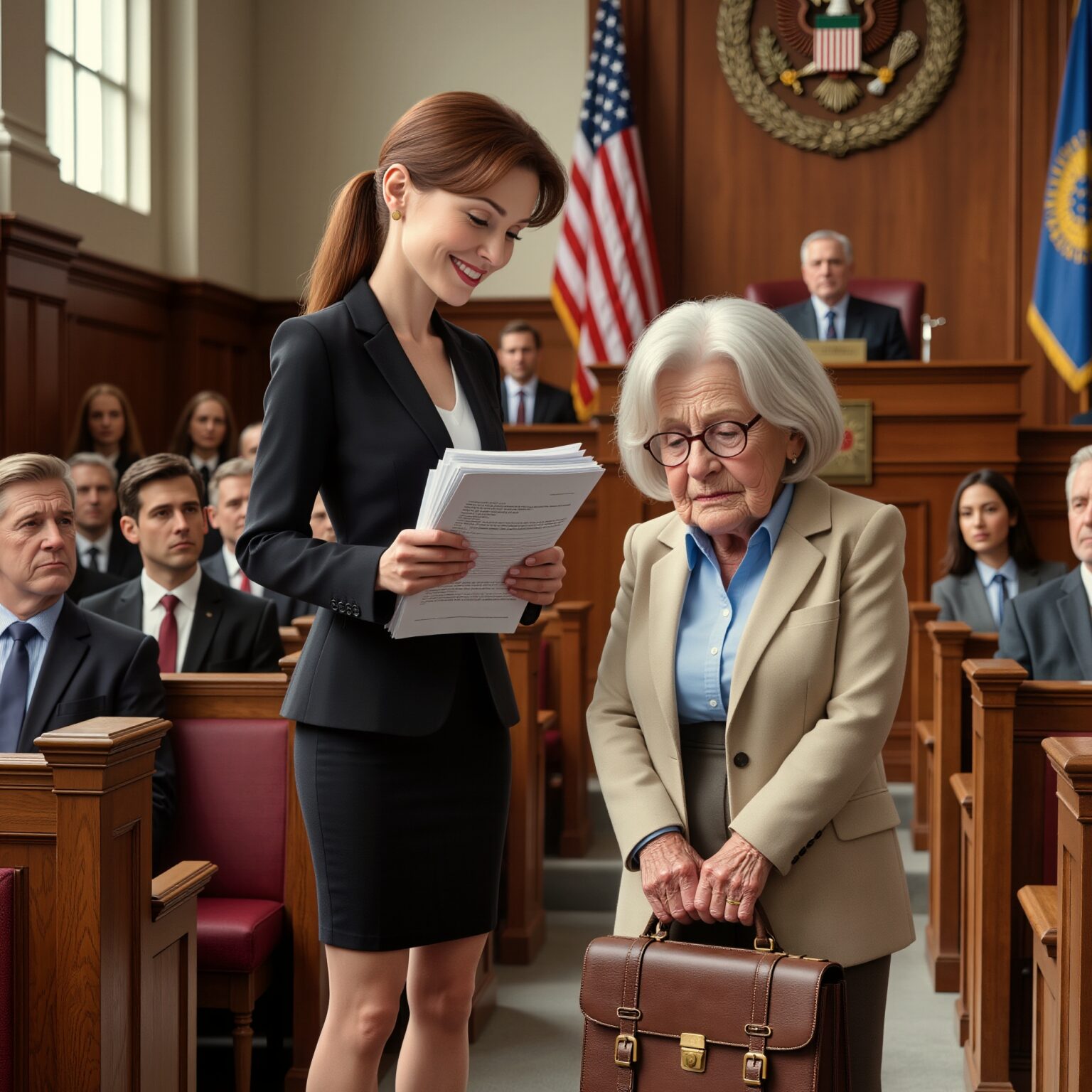
Her words were more powerful than any legal document. They lit something stubborn deep within me — a refusal to accept deceit as truth. So I gathered every scrap of memory, every witness who would speak on Andrew’s behalf, every letter he had ever written me, and I filed the contest to the will. When I walked into that courtroom weeks later, I felt less like someone pleading for charity and more like someone demanding justice. I presented my case with a quiet voice, steady hands, and a heart that refused to be diminished. The lawyers on the other side tried to argue technicalities, murmured about the legality of interpretations, but I didn’t flinch. I told the truth — plain and simple — backed by people who loved my son and knew his wishes better than a woman who resented me.
And the judge — a stern woman with deep eyes that seemed to see into your soul — listened. The silence in that courtroom was heavy, but it was honest. When she spoke, she didn’t mince words. She acknowledged that the will had irregularities, that intentions can’t be rewritten by someone who benefits most from their distortion, and that my son’s character had been well documented by people who truly knew him. Then she said something I will never forget: “A family cannot be defined by legal papers alone. Legacy is determined by love, not signatures.” The ruling was clear — parts of the will were invalidated, and I was granted rights I hadn’t dared hope for, including a fair portion of my son’s estate. I didn’t celebrate in a loud, flamboyant way. I simply sat there in that courthouse, breathing normally for the first time in months, feeling the truth of justice settle in my bones.
When I left that afternoon, I felt lighter, steadier. But I didn’t go home — at least not to the house Denise had thrown me out of. Instead, I chose a small place of my own, surrounded by trees and light, where I could sleep without fear and drink coffee without judgment. And then I called Denise. I didn’t call to demand apologies, or to revel in her shock. I called to say this: I’m okay. I have my dignity. And I’m moving forward with truth, not spite.
She didn’t answer. Her voicemail was curt, cold, and unread. And honestly, that was fine. Because I learned something deeper through all of this — something far more valuable than any property or inheritance. I learned that dignity doesn’t come from what’s given to you; it comes from what you refuse to give up, even when the world tells you to let go.
A few weeks later, I heard through the neighborhood grapevine that Denise had sold the house and moved away with her new partner. Some people said it was guilt. Others said it was financial trouble. I didn’t ask. I didn’t care. The chapter had closed long before her footsteps left the porch.
I spent that evening on my new balcony, the sky glowing with sunset, the air gentle and forgiving. I thought about Andrew — about his laughter, his kindness, the way he looked at me like I was his safe place. I whispered the stories into the breeze, as though the wind would carry them straight to him. And somewhere between the light fading and the first star blinking awake, I smiled — not the small internal smile I used that day in the hallway, but the kind that feels like sunrise in your chest.
Because I had chosen truth.
Because I had chosen myself.
Because the end of one betrayal became the beginning of a life rebuilt on honesty and love.
And that made all the difference.