The Cold Threshold of Betrayal
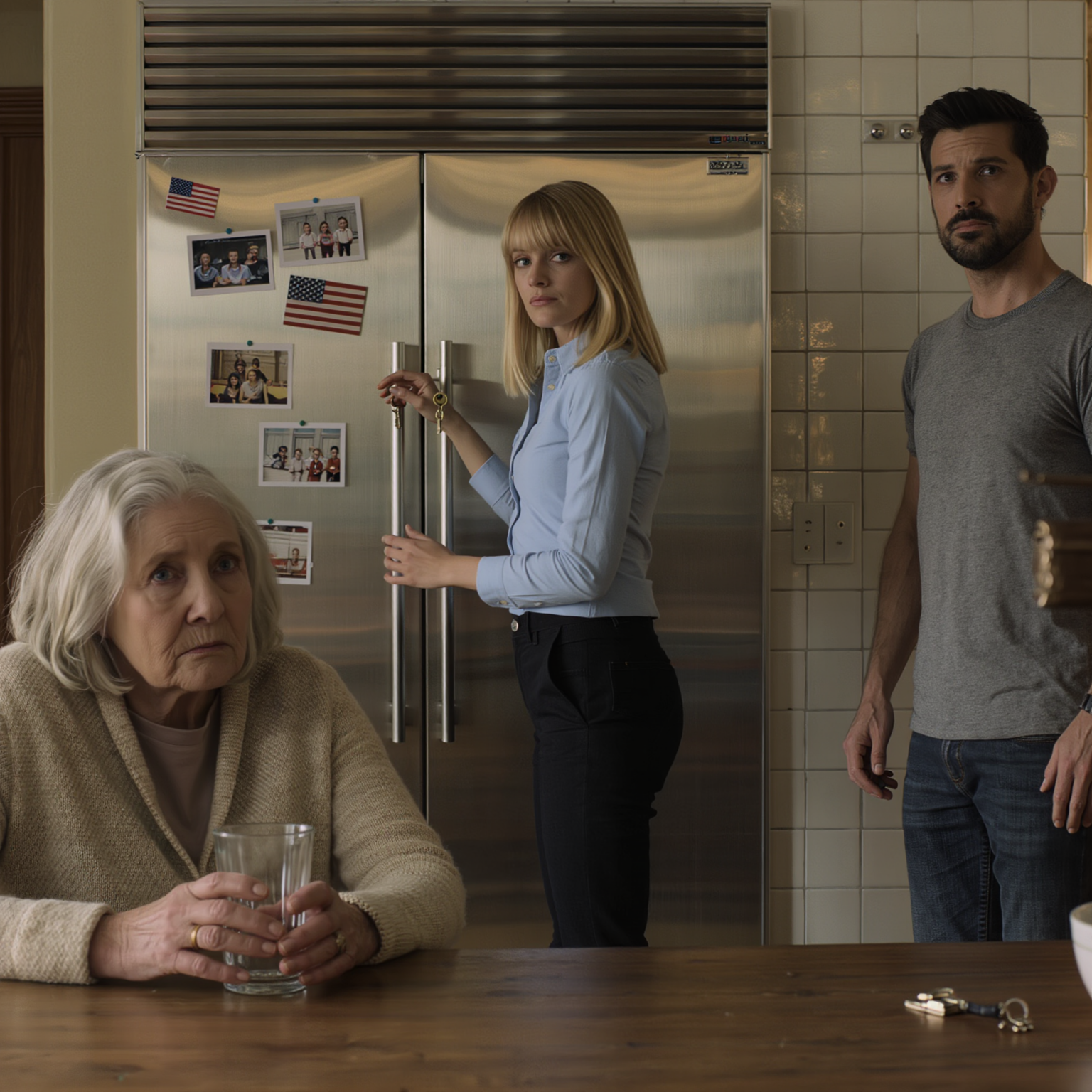
I had just finalized a grueling divorce from a man who had spent thirty years chip-away at my self-esteem. I was emotionally drained and financially uncertain, so when my daughter, Mia, suggested I move into the spare wing of her beautiful suburban home, I thought it was a gesture of healing. I spent six months helping her with the kids, cooking dinner, and even contributing my meager alimony to the “household fund.” But as soon as the ink was dry on my final settlement and she realized I wasn’t getting the massive payout she expected, Mia’s mask slipped. I was folding laundry in the living room when she walked in, her face set in a mask of cold indifference.
“Mom, this isn’t working,” she said, not even looking at me. “I need this space for a home office, and frankly, your presence is depressing. I’ve never really liked you, to be honest. You’re weak, and I don’t want that energy around my children. Get out by the end of the week.” I stood there, a pair of her son’s socks in my hand, feeling like the floor had opened up beneath me. I had helped her buy this house. I had been her biggest cheerleader through law school. And now, because I was no longer “useful” or “wealthy,” I was being discarded like yesterday’s trash.
The Architect of a Silent Departure
Mia thought she was the power player in this relationship because she had the “lawyer” title and the “big house.” She assumed that because the house was in her name, she held all the cards. She forgot that I was the one who managed her father’s real estate business for three decades—the silent partner who knew where every body was buried and every deed was filed. She thought I was “weak” because I was kind. She didn’t realize that my kindness was a choice, and it was a choice I was about to stop making.
I didn’t argue. I didn’t cry in front of her. I simply went to the small floor safe in my room—the one Mia assumed only held my old jewelry. I pulled out a single, notarized document from 2018. It was a “Retained Life Estate” and “Land Contract” agreement that Mia had signed back when she was desperate for the down payment I provided. In her rush to get the money, she hadn’t read the fine print. The document stated that while the title was in her name, the ownership was contingent on a private loan from me that she had never made a single payment toward. Legally, she was my tenant, and she was currently in default of a quarter-million-dollar private mortgage.
The Reckoning of the Fine Print
I moved out quietly on Friday morning, while Mia was at work. I didn’t leave a note; I left a legal summons. I moved into a lovely apartment downtown, funded by a secret savings account my ex-husband never found. Three days later, Mia called me, her voice no longer cold and superior, but shrill and panicked. “Mom! What is this? I just got served! You’re suing me for the house? You can’t do this! The deed is in my name!”
“The deed is in your name, Mia,” I said, sitting on my new balcony with a cup of tea. “But the ‘Notice of Default’ and the ‘Acceleration Clause’ you signed are also very real. Since you ‘never really liked me’ and wanted me out of your house, I’ve decided to take the house back. You have thirty days to pay the $250,000 you owe me in back payments and principal, or the property reverts to me. I believe you mentioned you needed the space for a home office? Well, I hope your new office has good wheels, because you’re moving.”
The Silence of the Evicted
Mia tried to use her legal connections to fight it, but the contract was airtight. I had designed it specifically to protect myself in case her father ever tried to come after my assets through her. I never thought I’d have to use it against my own child. Watching her scramble to find a rental she could actually afford was painful, but it was necessary. She had to learn that respect isn’t something you give only when someone is “strong” or “useful.”
I didn’t take the house to be cruel. I took it because I realized that by coddling her, I had raised a monster. I sold the house to a lovely young family and used the proceeds to start a travel fund for my retirement. Mia and I don’t speak now, and while that brings a certain sadness, it also brings a profound peace. I am no longer the “depressing” mother she can kick around; I am a woman who knows the value of her own signature.
The Peace of a New Foundation
I learned that blood doesn’t give anyone the right to mistreat you, and being “weak” in the eyes of the greedy is often just a sign of a heart they don’t deserve. I am starting my life over at sixty, and for the first time, the foundation is made of my own strength, not someone else’s expectations. Mia wanted a home without my “energy”? Well, now she has a rental with no energy at all—just the quiet realization that the mom she “never liked” was the only thing keeping a roof over her head.