The hospital corridors felt cold under the fluorescent lights — sterile, silent, except for the distant beeping of monitors and the muffled footsteps of night staff. I had just ended a grueling twelve-hour shift as a night nurse in the old ward of the city hospital, tired but relieved the worst of the patients had stabilized. My muscles ached, my eyes blurred, but I felt a quiet pride in surviving the night. I gathered my jacket and purse, ready to go home — the night air, the long ride home, the warmth of a simple bed waiting for me.
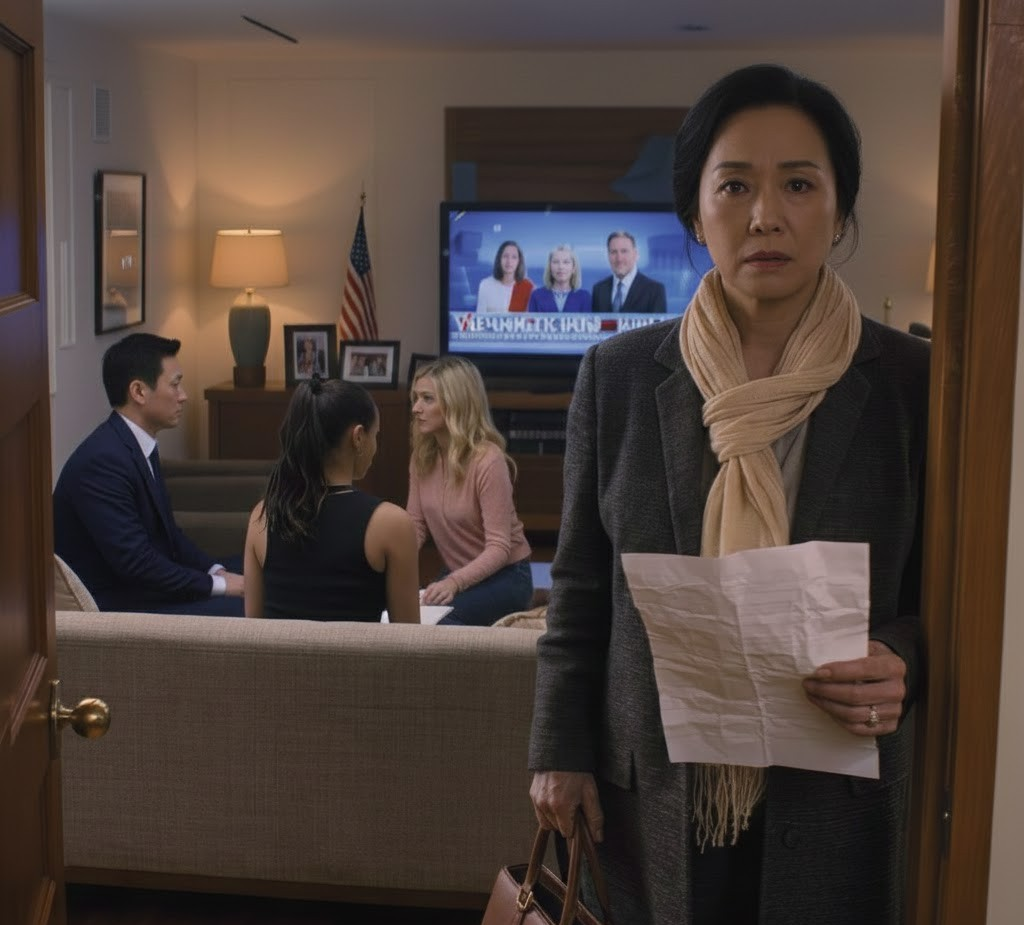
As I walked past the small nurses’ station by the stairwell, a doctor I barely knew called softly behind me. He stepped forward, glanced around — then handed me a folded note. His eyes flickered with urgency, fear, something I didn’t recognize at first. The corridor was empty; only the hush of the hospital night surrounded us. He slipped the note into my palm and said quietly: “Read this when you get outside. Please.” He turned and walked away before I could ask what he meant. The note weighed heavy in my hand as I left.
Outside, the sky was dark and the streetlights cast yellow pools on the pavement. I sat for a moment on the hospital steps, hands trembling as I unfolded the paper. My eyes scanned the short message, each word like a cold whisper: Leave this place. Don’t go home tonight. My heartbeat hammered in my ears. My mind raced — why? What danger? Who? I looked around — empty streets, distant cars. No sign of threat. No sign of danger. Just night. I hesitated. Fear pooled in my stomach. The jacket I held felt too thin. The bag too light. I could call a taxi. I could go home. But those words — “don’t go home” — echoed louder than logic.
I stood up, heart pounding, tears threatening to spill, and I walked. I kept walking, not to a destination, but away from memory, away from possibility, away from a place that maybe had turned against me. The city at night was different — quieter, stranger, each shadow more uncertain. I avoided main streets, turned down alleys, walked beneath flickering lights, clutching my bag close, whispering silent prayers for safety.
I found a small café on the edge of town — the few lights inside looked warm, inviting. The door jingled softly when I entered. A tired man behind the counter glanced at me — uniform slightly wrinkled, eyes weary. I gave him a hesitant smile and asked if I could sit until morning. He nodded, offered a mug of hot tea with trembling kindness. The steam rose in the dark chill, and I held the mug tight, feeling warmth seep into my hands, into my bones. I told him little. Just that I needed a safe place. He didn’t ask. He nodded. He didn’t judge.
I sat there until dawn — watching the sky lighten, listening to distant birds, feeling the world shift slowly around me. The note lay folded on the table, beside my untouched pastry. I traced the letters with my fingertips, trying to memorize them, understand them, believe them. I closed my eyes, breathed deep, and made a decision: I wouldn’t go back home. Not yet. Not until I understood who was trying to warn me — or what I was being warned from.
Over the next days, I disappeared from the hospital’s schedule. I didn’t show up for shifts. I didn’t answer calls. I rented a small room in a cheap boarding house — old curtains, narrow bed, single light bulb. No windows. No comfort. But safe. Hidden. Temporary. I needed time. Time to think. Time to breathe. Time to decide.
I worked small jobs — night cleaning at office buildings, dishwashing, delivering food — anything that paid a few coins and gave me a roof for the night. I kept a backpack with a few clothes, copies of my ID, a small amount of money, and the note folded carefully in a plastic sleeve. I never took it out. I never read it again. I didn’t need to. Its warning was enough.
But chaos followed me — in memories, in nightmares, in quiet panic when I heard footsteps behind me, when a door slammed in the wind, when a car slowed beside me then sped off. Each sound jolted me awake, heart racing, mind scrambling for logic, for escape, for dawn. I learned to sleep lightly: one eye open, one ear listening, one hand clutching the small bag.
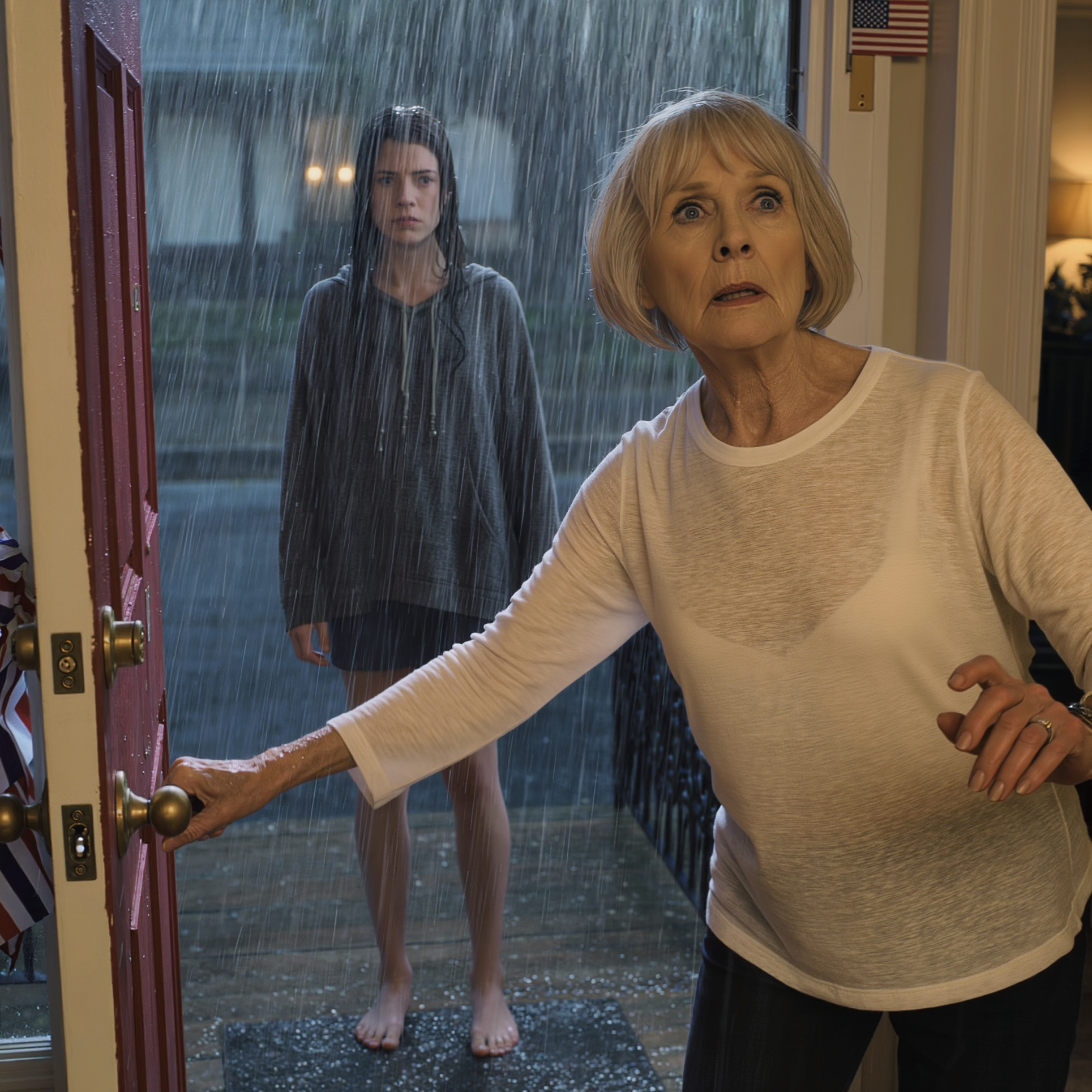
Then one rainy evening, as I walked home from a late shift, cold and wet, I saw a familiar face — the doctor who had given me the note. He stood under a dim streetlight, coat buttoned tight, hands in pockets, eyes cautious. He asked softly if I was okay. I nodded weakly, shivering. He looked into my eyes, recognized fear, grief, confusion. He asked me to trust him, to meet him somewhere safe the next day. I hesitated — trust was fragile now. But something in his voice, tired yet urgent — it reminded me of courage, of help, of hope. I agreed.
We met at a small community center — old chairs, scattered papers, a kettle on a low stove — a place hidden from noise. He told me stories: secret investigations, threats, whistle-blowing, dangerous dealings that someone at the hospital had uncovered. He said I was in danger — not because I did anything, but because someone wanted silence. He said the note was a warning. A chance for me to vanish before I became evidence. He said it was bigger than me. More than a warning. It was a choice: stay silent and live in fear, or walk away and live in truth.
I looked at him — tired eyes, calm voice, wary hope. I thought of my life: small apartment, borrowed beds, cheap tea, shaky nights — but alive. I thought of what I lost: comfort, security, old dreams. And I made a decision again. I would stay. Not for comfort. Not for fear. But for justice. For voice. For truth.
With help, I filed a report anonymously. I gathered proof, testimony, courage. I told only what I knew. I didn’t expect miracles. I only asked for accountability. Days later, the scandal hit headlines: accusations, investigations, suspensions, exposed secrets. The hospital became chaos. People whispered. Patients worried. Doctors shifted. The quiet halls no longer felt safe for some. But for me — the halls behind me were now part of memory. Part of a past that didn’t define me.
I kept working odd jobs. I moved again — to another city. I changed my name slightly, lived quietly. I studied at night — small classes, long books, borrowed pens. I rebuilt slowly. I healed slowly. I learned that safety isn’t just walls or locks. Safety begins when you refuse to stay silent in fear. When you believe that your life matters more than secrets.
Years later, I walk the streets under daylight — sharp, bright, honest. I see mothers with children, students with backpacks, workers hurrying. I cross the street with calm steps, coffee in hand, heart steady. I remember that night — the note, the fear, the escape — but I don’t feel its cold anymore. I feel warmth: gratitude, survival, freedom.
Sometimes when I pass a hospital building, I pause for a second, close my eyes, remember the lights, the corridors, the hush, the warning. Then I walk on. Because I know now what matters: not tracing the shadows, not running from fear — but living in truth, strength, and quiet peace.