The Night the Sky Turned Orange
The roar of the fire was the only warning I got. At 3:00 A.M., my life’s work—the century-old barn and the primary farmhouse—went up in a wall of flame. I stood in the mud of my central valley farm, watching sixty-three years of memories turn to ash. I had nothing but the clothes on my back and a scorched tin box I’d grabbed from the nightstand. Shivering and smelling of smoke, I drove my old truck four hours south to Los Angeles, to the only family I had left: my daughter, Sarah.
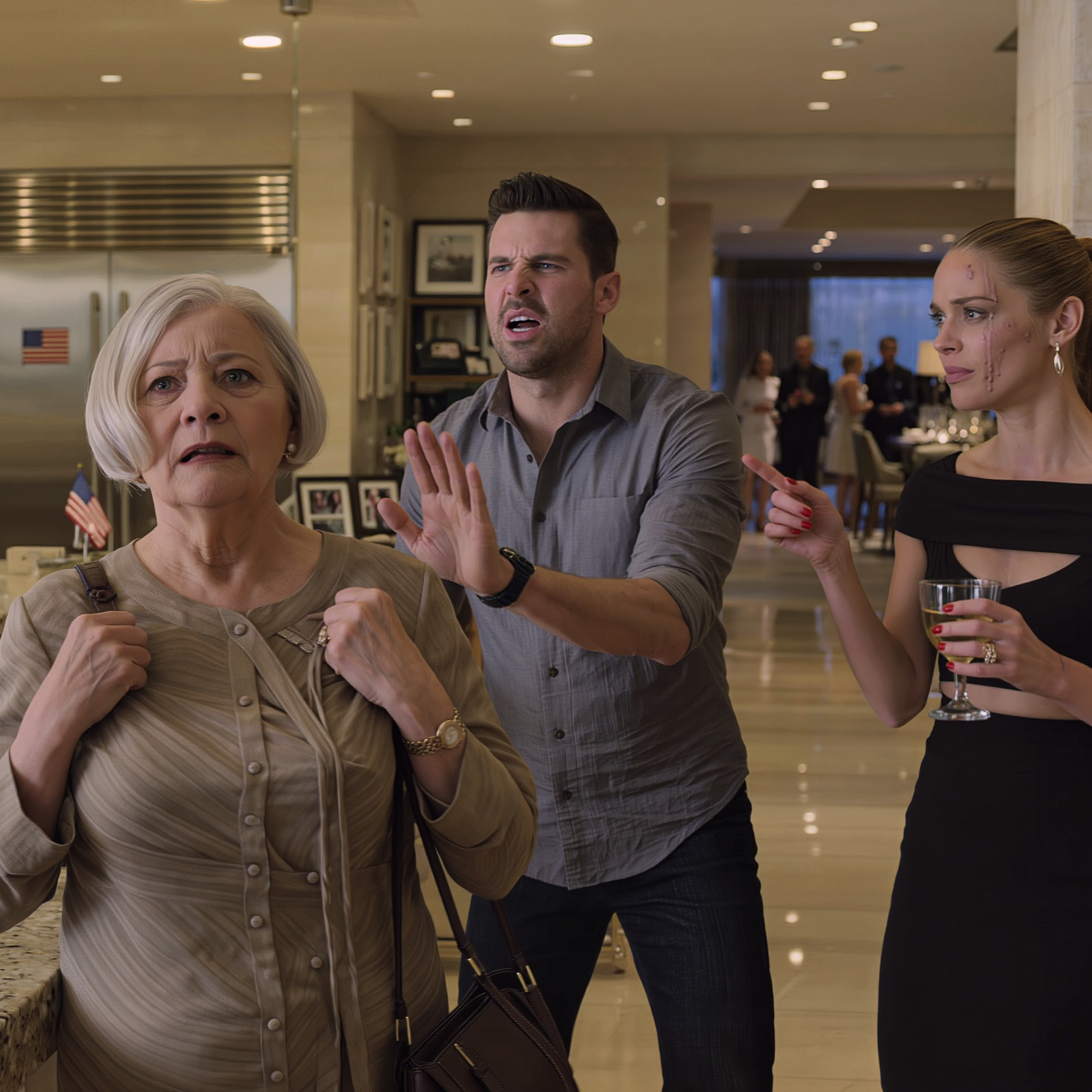
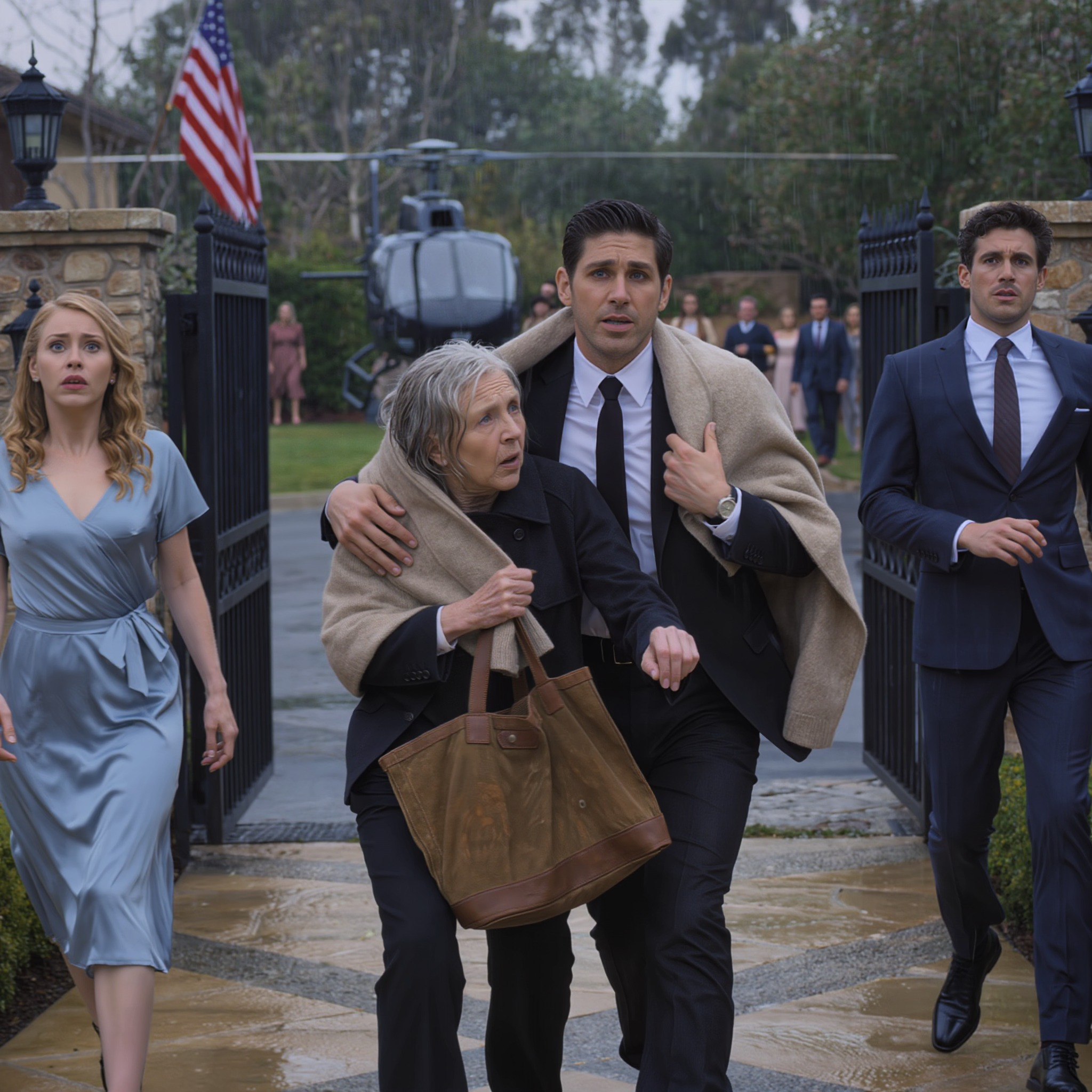
When I arrived at her sprawling suburban home, the rain was coming down in sheets. I rang the bell, hoping for a warm blanket and a place to rest my head. Instead, my son-in-law, Bradley, opened the door just a crack. He looked at my soot-covered face with pure disgust. “We heard about the fire, Arthur,” he said, blocking the entryway. “But we don’t have room for a poverty-stricken burden. You should have had better insurance. Go find a shelter.” Sarah stood behind him, silent, refusing to meet my eyes. Then, the door slammed, and the lock clicked into place. I was left in the rain, a “burden” to the children whose college tuitions I had paid in full.
The Architect of a Golden Secret
What Bradley and Sarah didn’t know was that my “poverty” was a choice. I lived in an old farmhouse because I loved the land, not because I lacked the means. My father had been a cautious man who survived the Great Depression, and he had taught me to never trust a bank with everything. Beneath the concrete floor of the root cellar—the only part of the farm the fire couldn’t touch—sat a reinforced steel vault. Inside wasn’t just old family photos; it was a collection of rare, high-grade gold coins I had been accumulating for forty years.
The morning after they turned me away, I returned to the smoldering ruins. I cleared the debris and opened the vault. The $14 million collection was untouched. I didn’t need their couch; I needed a shower and a lawyer. While Bradley was busy bragging at his country club about how he “handled” his broke father-in-law, I was busy moving my physical assets into a private hedge fund. I also found out something interesting: Bradley’s “dream home” was currently in a precarious 90-day pre-foreclosure status with a local boutique bank.
The Reckoning at the Closing Table
Two months later, Bradley and Sarah were called to the bank for an emergency meeting regarding their mortgage. They walked in, dressed in their finest clothes, prepared to beg for an extension. They were ushered into the executive boardroom, where a man sat with his back to them, looking out at the city.
“We just need a little more time,” Bradley started, his voice shaking. “Our business has been slow, but we’re good for the money.”
The chair turned around. Bradley’s jaw hit the floor. “I know exactly how much you’re ‘good for,’ Bradley,” I said, leaning back. I wasn’t wearing soot-covered overalls anymore; I was wearing a suit that cost more than his car. “I didn’t just come here for a meeting. I bought the majority shares of this bank’s holding company last week. Technically, I’m not just your father-in-law; I’m your landlord.”
The Silence of the Disowned
The silence in that boardroom was the sweetest sound I’d ever heard. Sarah burst into tears, trying to claim she was “pressured” by Bradley to turn me away that night. But I remembered the cold Los Angeles rain and the sound of that lock clicking.
“I offered you the chance to be family, and you chose to treat me like a stranger,” I told them. “So, we’ll keep this professional. Your foreclosure will proceed according to the letter of the law. You have thirty days to vacate the property. Perhaps you can find a ‘shelter’ that meets Bradley’s high standards.” I didn’t raise my voice. I didn’t have to. The power had shifted, and they were finally feeling the weight of the “burden” they had created.
The Peace of the New Foundation
I learned that the most valuable thing a man can own isn’t gold; it’s the knowledge of who will stand by him when the fire starts. I am sixty-three years old, and I am rebuilding my farm—not as a modest homestead, but as a state-of-the-art agricultural center.
Bradley and Sarah are living in a small rental, finally learning what it’s like to worry about the bills. I don’t hold a grudge, but I don’t hold the door open for them anymore, either. My vault is still there, but now it holds more than just coins; it holds my freedom. The fire took my barn, but it gave me the clarity to see exactly who my daughter had become. And that was worth every penny of the $14 million.