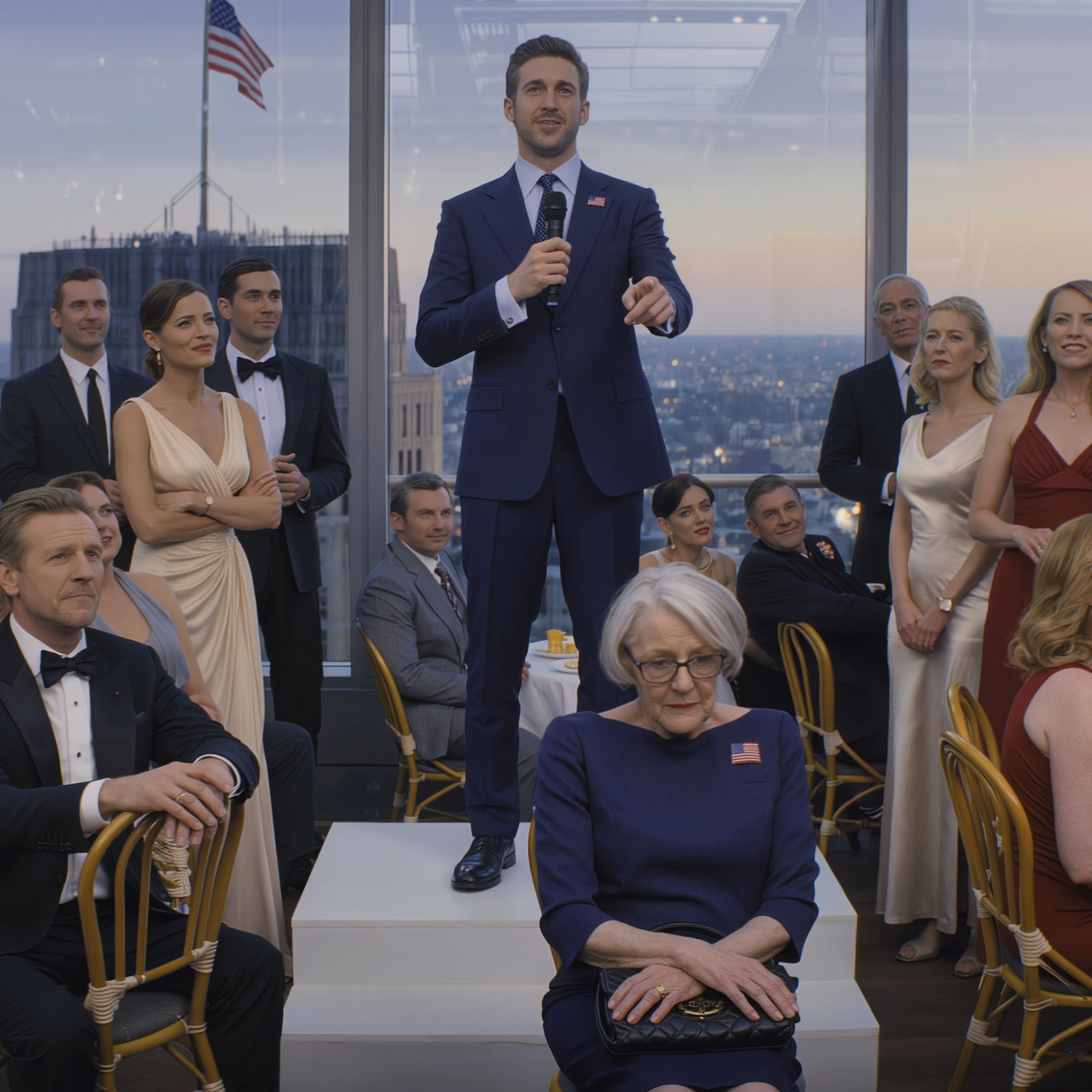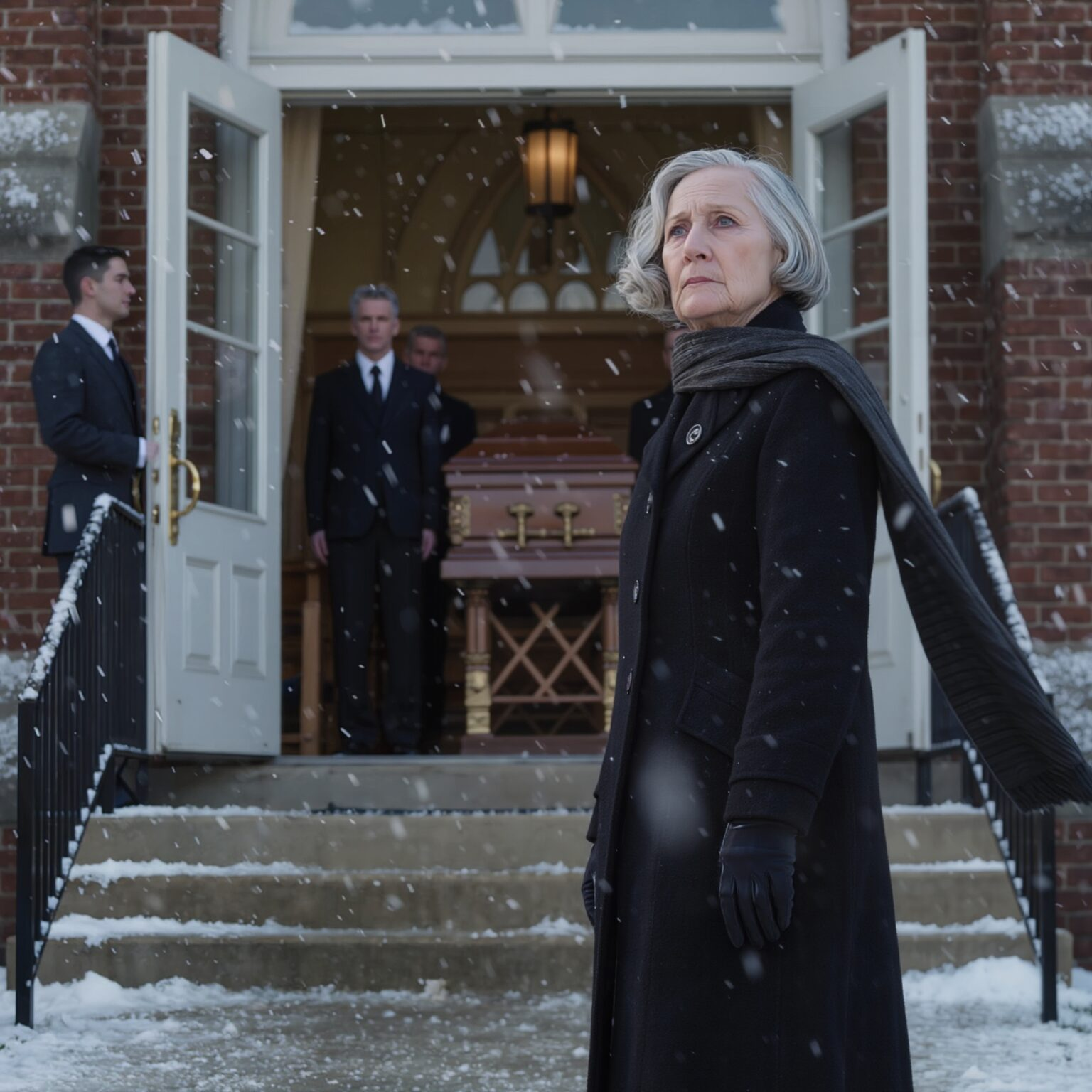
I walked up the gravel path toward the chapel that day wearing my husband’s favorite scarf — the one he always insisted kept me warm enough, even when the wind tried to argue otherwise — and I held my coat closed not just for warmth but because something inside me felt fragile and exposed, like a window too wide open in a storm. The grass was damp with morning dew and the scent of winter wood smoke hung in the air, but there was a stillness that wrapped itself around the rows of folding chairs set up outside for the service. I should have felt surrounded by family, by loving arms and shared grief, by laughter that turned to quiet tears. Instead, the only people present were the minister with his somber collar, the cemetery groundskeeper quietly adjusting flower arrangements, and me. I counted the chairs — nearly fifty of them — placed in neat rows for friends and loved ones who, as it turned out, had decided that numerous weekend parties and social obligations were more important than showing up to say goodbye to the man who helped raise them, who loved them all of his adult life. I stood there in the cold wind with the echo of their absence filing itself into the place where I expected warmth. My heart didn’t break at first. It simply registered, the way the body does in moments where disbelief is too heavy to cry or speak. I felt a softness in my chest, like a bruise just under the skin, and I realized that grief doesn’t always explode. Sometimes it settles quietly, like the hush after a funeral bell stops tolling.
I didn’t hear my own footsteps. I only felt the weight of my husband’s presence in the empty chairs — the ones he would have filled with gentle humor, warm smiles, and that deep, steady sense of belonging that he carried even in ordinary moments like Sunday morning pancakes. Those chairs should have been filled with family: my daughter who once counted on his laugh to refine her own sense of humor, my son who used to fall asleep on his shoulder watching old movie marathons, each of them more invested in social gatherings and status than in the predictable, non-sensational moments of life — the ones that truly matter. I stood there alone, wrapped in his scarf, looking at the wind ruffle the backs of empty seats like absent voices brushing the silence, and I felt something greater than betrayal or sadness: I felt clarity.
I could have yelled. I could have called them out for their absence. I could have let the wind carry angry words into the open sky. But something deeper than pain took hold of me then — a kind of quiet recognition that people choose what they honor with their presence. My husband had taught them love in countless ways, not in dramatic gestures but in reliable steadiness. And yet here, in the absence of their feet on that soil, in the quiet space where the low wind sighed through bare branches, it became clear they had not chosen to show up — not because they didn’t care, but because their priorities had quietly migrated away from the substance of relationship and toward the spectacle of momentary experiences.
I didn’t sit.
I didn’t surrender to silence.
I stood — tall enough that no absence in the world could erase the fact that I was there.
I walked to the front — past the chairs that should have been filled — and I spoke into a microphone that amplified not complaint, but truth. My voice didn’t tremble. It was steady, clear, and anchored by love rather than anger: “He was a good man. Not perfect, no — but good. He didn’t ask for applause. He asked for presence. He asked for kindness. If anyone regrets not being here today, the door is open to speak with me afterward.” Not a rebuke — not even a plea — but an invitation. That mattered. Not for them — not yet — but for me.
A few moments passed in stillness that felt like eternity — not cold, not harsh, just anchored in the reality of absence and presence. Then something unexpected happened: an elderly man walking his dog stopped a short distance away, watching me with gentle eyes that held decades of life’s own grief and grace. He walked up to me slowly, as though he understood that some moments deserve slow approaches, and he simply said, “I lost my wife last year. People show up when they can, and sometimes when they should. You’re honoring him well.” That wasn’t a statement loaded with judgment. It was a moment of shared humanity — a reminder that life is messy, people are imperfect, and love does not always arrange itself in tidy, socially-approved ways.
I felt the corners of my eyes warm then — not with bitterness, but with recognition: the world does not always assemble itself the way we expect, and the people we hope will show up aren’t always the ones who do. But that does not diminish what was loved, what was true, or what was worthy of honor. My husband’s legacy was not measured by the number of chairs filled at his funeral. It was measured by the years we stood side by side — in sickness and health, in Sunday mornings and quiet evenings, in the unremarkable rituals of everyday life that build real love.
Later, when I walked back inside the house we shared for decades, I found the big overstuffed chair he always preferred by the window. I didn’t sit in it. I looked at it — the fabric a bit faded, the cushion imprinted with years of evenings spent together — and I realized that love does not vanish in absence. Absence only reveals what was already there: not hollow ritual, but steadfast devotion. I lit a candle in the window, not for show, but as a quiet tribute: not just to him, but to all the moments that make a life worth living.
I didn’t resent my children. Not then. Not later. I saw their absence as a doorway into deeper clarity — not about betrayal, but about learning where presence truly matters, and how love — the real kind — is shown not in fleeting appearances but in steady, sustained connection.
That day — the day I stood alone in the cold wind with rows of empty chairs — didn’t break me.
It opened me.
Not into sorrow.
Not into bitterness.
But into the understanding that:
Love left its imprint not on chairs,
but on the heart that chooses to show up,
even when others do not.