I used to believe that love was built on promises you never needed to question—promises spoken in front of God, family, and time. Forty-three years of marriage, twenty-seven hospital visits, and countless shared meals taught me that loyalty was something earned through presence, not words. But all it took was one diagnosis, one sale of the only home I had ever known, and one woman half my age to collapse everything I had believed marriage truly was.
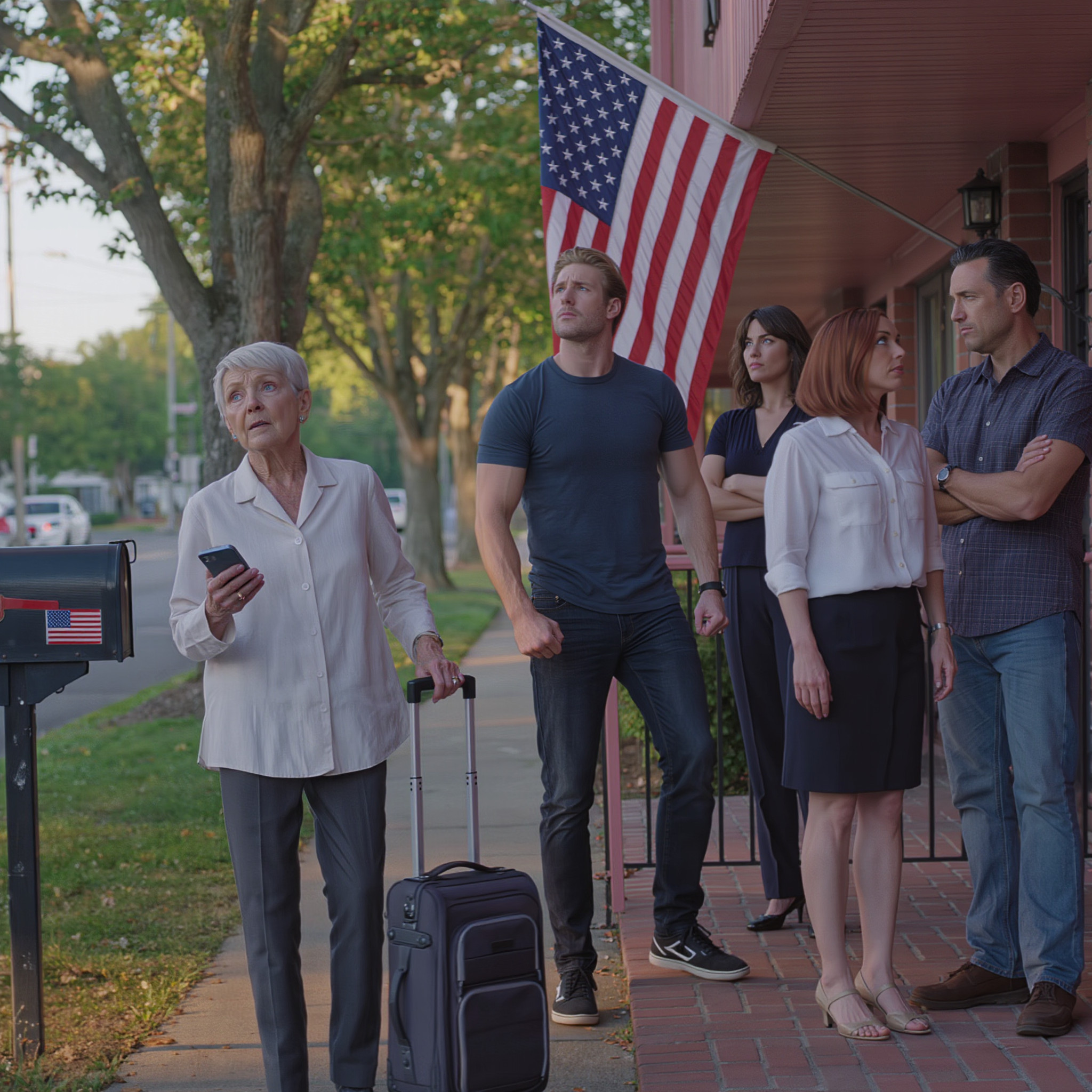
I sold my suburban home in Pennsylvania—small, quiet, painted sunflower yellow by my own hands—because the doctors said my husband needed treatment immediately. I didn’t hesitate. Not once. I signed the papers with trembling fingers, turned in my keys, and watched strangers move into the only hallway where my children took their first steps. I thought love required sacrifice. I thought he believed that too.
When he woke up from treatment, healthier than any man his age deserved to be, he didn’t hold me the way I had rehearsed he would. He didn’t cry or thank me or whisper that I saved his life. Instead, he cleared his throat, sat up, and said in a tone disturbingly calm, “We both deserve different futures. I met someone.” Someone. Someone younger. Someone he called bright and fresh. A woman who never ironed his shirts through winter or fed him soup while his fever made him sweat through their sheets.
I stared at him, cold, quiet, hollow. I didn’t scream. I didn’t cry. I nodded the way a widow nods at a coffin, because the man I married had died long before this conversation. He walked out of the hospital room with his new miracle life and his miracle girlfriend, leaving behind the woman who sold her shelter to save a man who no longer wanted to come home to her.
But betrayal never travels alone.
My son, who promised he’d “check in,” slowly drifted into silence—first a late reply, then a missed birthday, then a blocked number. His business partners, the ones who smiled wide when I brought casseroles to construction sites, pretended I had died the moment my husband walked out of our marriage. No calls, no updates, no comfort—just a chilling, shared decision to erase me because I no longer held worth in the house, the money, or the family name.
I packed what little I owned—mostly memories and clothes folded more neatly than my heart—and moved into a small rental near town. But what no one remembered, not even my brilliant husband with his new brilliant mistress, was that while I sold the house, I never sold the land beneath his booming commercial expansion. That land, the land he built his business headquarters on, the land his partners used to erect glass towers and corporate dreams? It was still under my name, untouched, unmentioned, legally bound to the woman they thought they buried.
Years passed. Pain grows quiet with time, and I learned to exist simply. Tea at sunrise, church on Sundays, and a diary filled with memories not poisoned by betrayal. I thought I had shut the world out permanently—until one afternoon, dressed in entitlement and cheap perfume, she knocked on my rental door: the younger woman. Her.
She didn’t come to apologize. She didn’t come to thank me for the life she stole. She came because the company was in disaster. Investors pulled out, the bank froze assets, and the commercial property—their pride, their monument—could not be legally sold, renovated, or financed without one signature: mine.
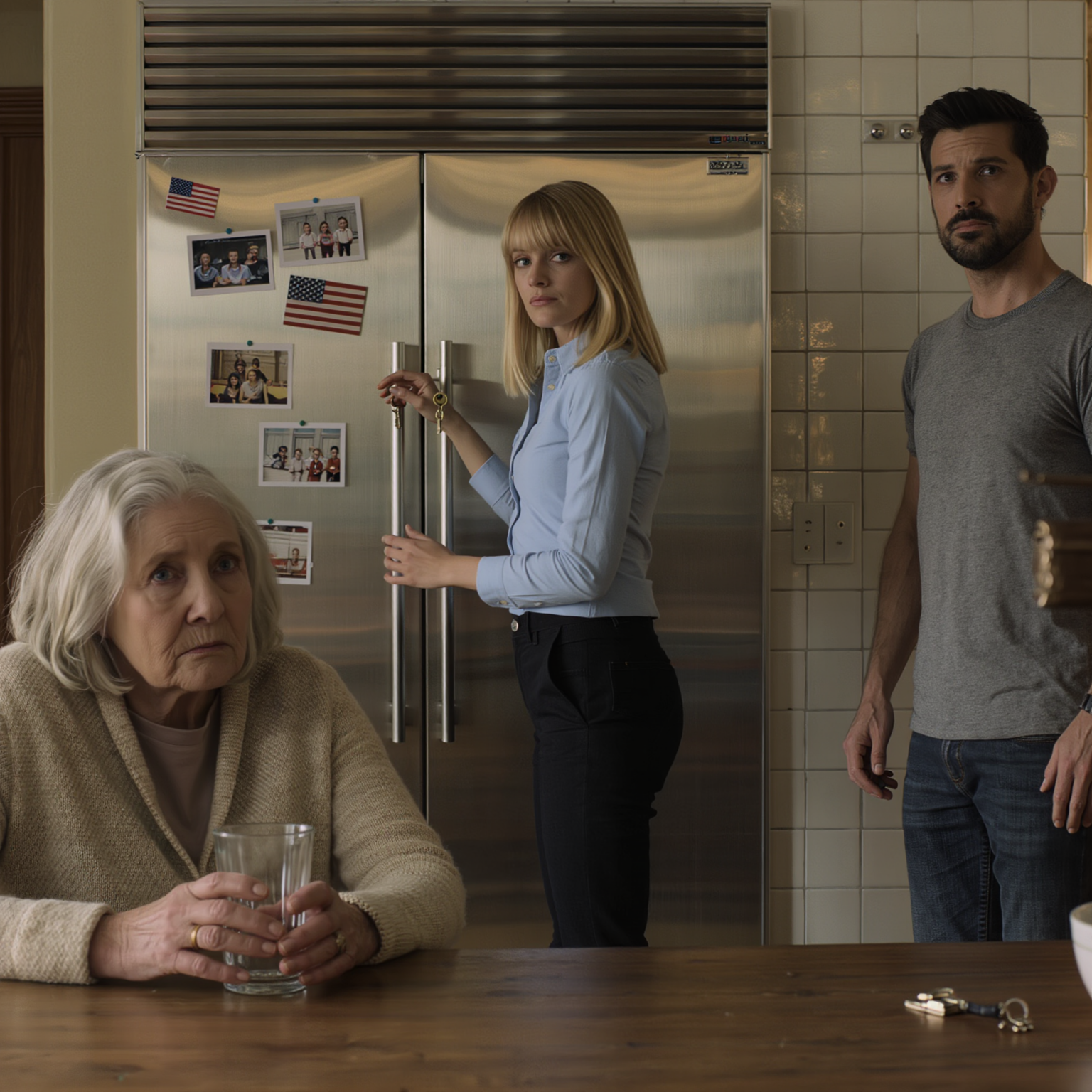
She sat stiff on my couch, eyes darting around my modest living room that smelled of old lavender and dignity. Her voice cracked only once when she forced out the question: “Can we discuss transferring land rights?”
I watched her. I studied her. The woman I burned my home for. The woman who took my husband’s final decades. The woman who thought youth could buy her immunity from consequence. I didn’t speak immediately. Silence is a power people forget exists until it suffocates them.
Finally, I smiled—not bitter, not angry, just… complete.
“No,” I said politely.
She blinked, stunned, trying to recalibrate her expression into something persuasive. “We can… offer stock. Money. Title. Anything—”
“You already took everything,” I replied, voice steady. “There is nothing left you can offer.”
Days later, my son called—not with guilt, but urgency. He spoke fast, like a child denied dessert. They needed my cooperation. They needed salvation from the woman who fed them, clothed them, built roofs over their heads with hands older than the bricks themselves.
When I refused a second time, the silence on the other end wasn’t just shock—it was the crash of a dynasty built on bones rather than gratitude.
Within six months, the company collapsed financially. Lawyers circled like winter crows. Bankruptcy swallowed their glass empire. My husband’s mistress left him—not for youth nor charm, but because men abandoned by consequences are no longer trophies.
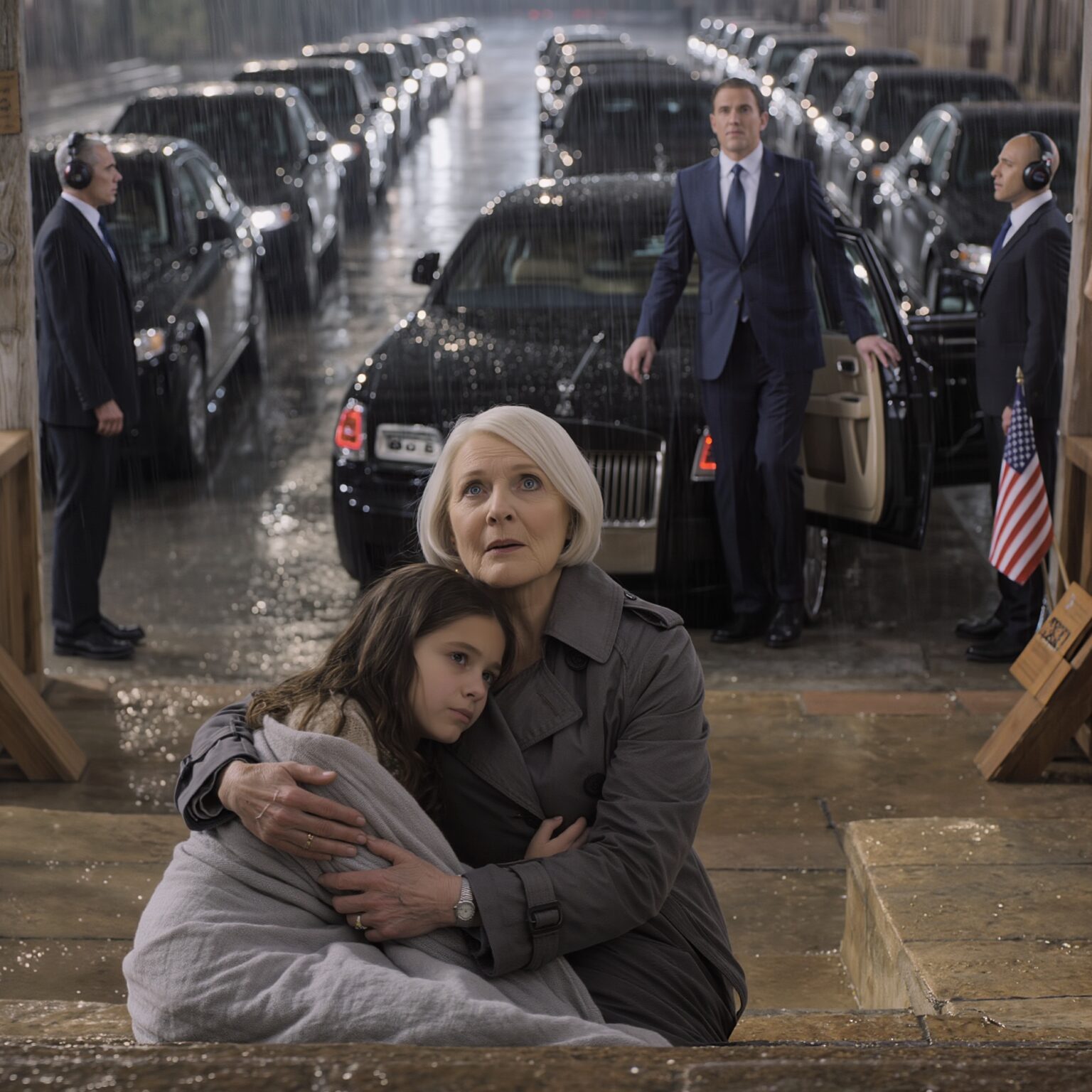
And my husband? He showed up at my door on a rainy Thursday afternoon, thinner, slower, cheeks hollow from the weight of karma, not illness. He sat on my doorstep the way he once sat beside hospital machines, except this time, I did not reach for his hand.
“I never thanked you,” he whispered.
“You’re forty years too late,” I answered.
He nodded silently, like a man finally realizing that some losses are not sudden, but accumulated drops of neglect overflowing after a lifetime.
I didn’t slam the door. I didn’t shout. I simply stood up, walked back inside, and let him sit with the storm—both outside and within.
Because I lost a house, a son, and a husband. But I gained something rarer than forgiveness: self-sovereignty. The land beneath their empire, the ground they stepped on with arrogance, remained mine not by revenge, but by truth. I wasn’t cruel. I just chose not to save those who celebrated my collapse.
And on the same soil where they built their legacy, I built a quiet garden. Tomatoes, marigolds, lilies—roots that honored me more than blood ever did. Sometimes healing isn’t rebuilding old homes, but planting entirely new seeds.
They thought I lost everything.
But I gained more than they ever valued: peace, independence, and a life unmeasured by who stayed or who left.
I didn’t win loud. I won quietly. And sometimes, that is the only victory that matters.