The Bitter Taste of an Unequal Will
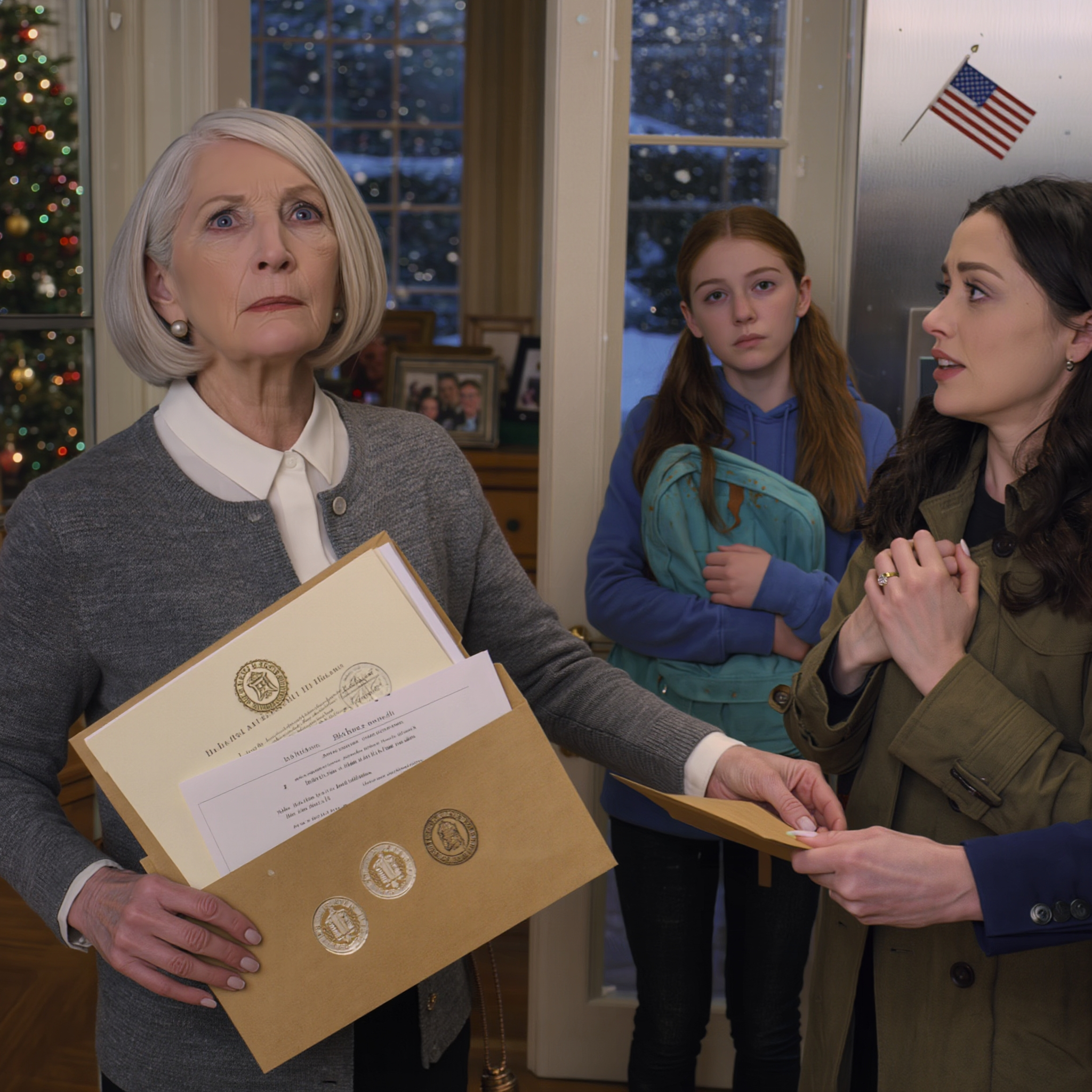
For forty-five years, I stood by Silas as we built a life of quiet dignity. We weren’t wealthy in the flashy sense, but we were comfortable—or so I thought. When the cancer finally took him, I expected the transition of his estate to be a formality of shared grief and mutual support. Instead, it was a cold, calculated unveiling that left me shivering in the shadows of my own life. At the lawyer’s office, the atmosphere was clinical. My daughter, Chloe, sat with her husband, Brandon—a man who treated every conversation like a hostile takeover. When the will was read, the room went silent. Silas had left the three-story Georgian mansion in the capital, along with the bulk of the liquid assets, entirely to Chloe. To me, his wife who had nursed him through every chemo treatment, he left a “residential property” in rural Montana. Brandon let out a sharp, mocking laugh before the lawyer even finished. “A shack in the middle of nowhere? Looks like Silas finally realized who the real backbone of this family was, Elena. You get the dirt, we get the crown.”
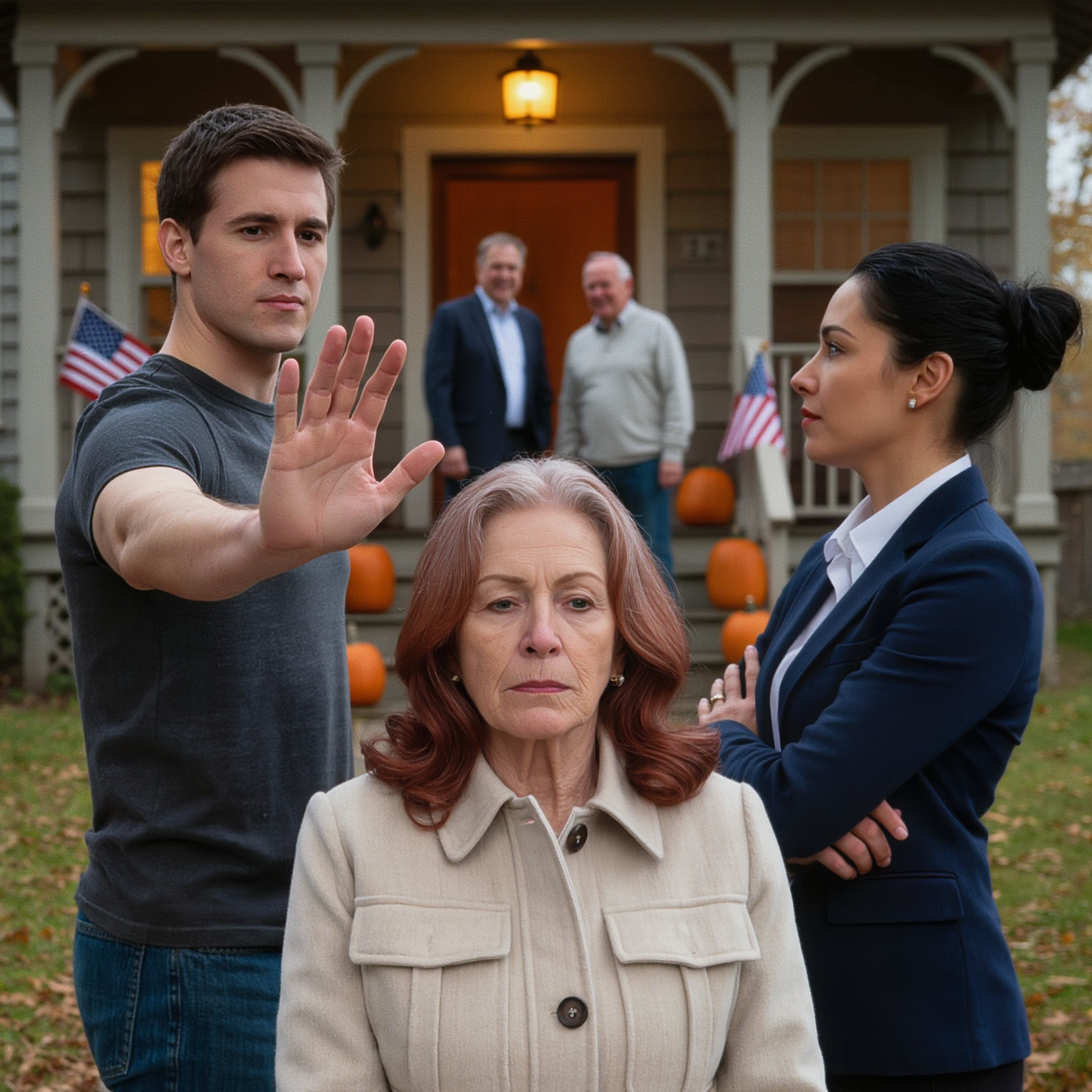
I looked at Chloe, expecting her to reach for my hand, to say it was a mistake, to offer me a room in the house I had decorated and lived in for decades. Instead, she looked at the floor, her silence a heavy, suffocating blanket. Brandon didn’t waste a single hour. By that evening, he had the locks changed on the mansion. He stood on the porch, my suitcases already piled on the gravel driveway. “The will is clear, Elena. This house belongs to Chloe now, and I’m the executor of her interests. We need the space for a home office. You’ve got a house in Montana, don’t you? Pack your things. You’re too weak to manage a property of this size anyway. Go live in the dust where you belong.” I stood there, a sixty-seven-year-old widow, being evicted from my own life by a man who had only been in the family for five years. Heartbroken and reeling from Silas’s apparent betrayal, I loaded my life into my old SUV and began the two-day drive toward the mountains of Montana.
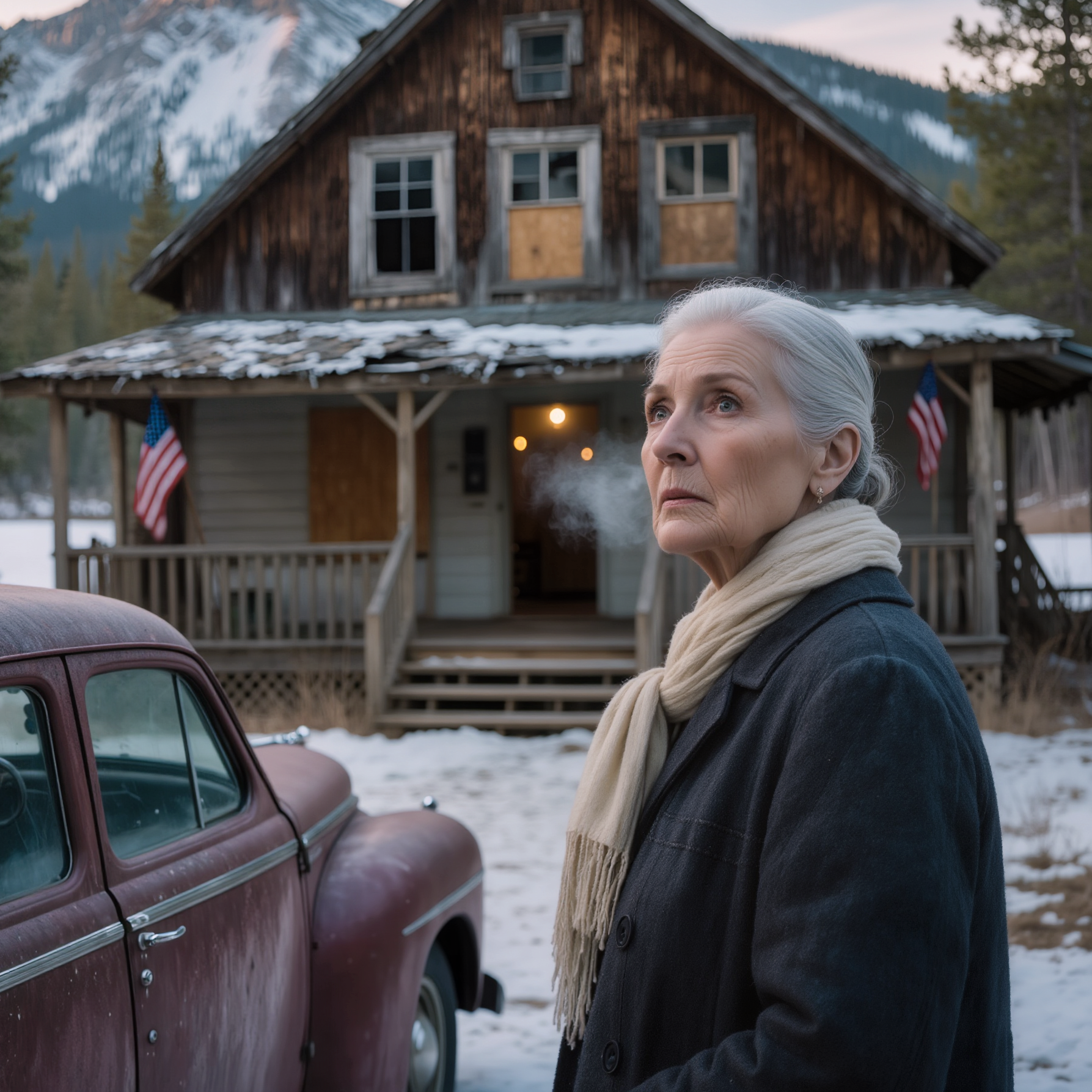
The drive was a blur of tears and gas station coffee. I kept replaying Silas’s voice in my head, trying to find a hint of the man who would leave his wife homeless while rewarding a daughter who had barely visited him in his final months. The address led me to a remote corner of Big Sky Country, far from the tourist towns and ski resorts. When I finally pulled up to the property, my heart sank. It was a weather-beaten, one-room cabin with a sagging porch and a rusted roof. It sat on a sprawling, untamed plot of land, surrounded by jagged peaks and whispering pines. It looked like a place where things went to be forgotten. I sat in the car for an hour, clutching the steering wheel, wondering if this was Silas’s final joke. Was I really meant to rot away in a shack while my son-in-law toasted his success in my ballroom?
The Secret in the Cellar
The interior of the shack was worse than the outside. It was filled with dust, old newspapers, and the smell of dry rot. There was no electricity, only a wood-burning stove and a single kerosene lamp left on a scarred wooden table. I spent the first night wrapped in three blankets, listening to the wind howl through the cracks in the walls. I felt a resentment so deep it felt like a physical weight. But as the sun rose over the mountains, casting a golden light across the valley, I noticed a small brass ring embedded in the floorboards under a tattered rug. It was a trapdoor, perfectly fitted and meticulously oiled—completely out of place in a “run-down” shack.
I pulled the ring, and the door swung open with a silence that signaled master craftsmanship. Below wasn’t a damp root cellar, but a modern, reinforced concrete staircase. I descended into a hidden world that Silas had built in secret over the last ten years. The basement was a state-of-the-art facility, climate-controlled and brilliantly lit. On the walls were maps of the surrounding 5,000 acres—land that, according to the documents on the desk, Silas had quietly acquired through a series of anonymous trusts. This wasn’t just a shack; it was the gateway to one of the most valuable private conservation and mineral-rich territories in the state. On the desk sat a single, handwritten letter from Silas.
“Elena,” it began, “if you are reading this, it means Brandon has shown his true colors. I knew that if I left you the mansion, that man would find a way to bleed you dry and take it from you legally. I gave Chloe the mansion because it is a liability—the taxes, the maintenance, and the legal entanglements will keep Brandon busy for years. But this land? This is your fortress. Beneath this shack is the deed to the entire valley, along with a portfolio of lithium rights that the tech companies have been begging to buy for years. I didn’t give you the house in the capital because I wanted you to have the world. You aren’t weak, Elena. You are the owner of the future. Let them have the crown; you have the kingdom.”
The Reckoning of the Mountain Queen
I spent the next month working with the legal team Silas had retained for me in secret. I learned that the mansion in the capital was actually heavily encumbered by a “Behavioral Debt” clause that Silas had cleverly inserted into the deed. If the property was ever used to exclude a family member without cause, a massive balloon payment on the hidden mortgage would be triggered immediately. By throwing me out, Brandon hadn’t secured his future; he had walked into a financial trap that would bankrupt him within six months. I, meanwhile, was sitting on a literal gold mine of rare minerals and pristine wilderness.
I didn’t call Chloe. I waited. The call finally came three months later. It was Brandon, but his voice was stripped of its arrogance. He sounded desperate, almost frantic. “Elena? Listen, there’s been a… complication with the mansion’s finances. The bank is calling in a debt we didn’t know existed. We need to sell that Montana property. I looked it up—it’s 5,000 acres. We can get millions for it! Just sign the papers and we’ll let you move back into the guest suite here. We’re family, right?”
I looked out at the Montana sunset, the mountains glowing like embers. “Brandon,” I said, my voice cool and certain, “you called me weak and threw me out into the rain. You told me to live in the dust. Well, it turns out the dust is full of lithium and the shack is a palace. I’m not signing anything. In fact, I’ve just instructed my lawyers to buy the debt on the mansion. By next month, I’ll be your landlord. And I think I’d like to turn that ballroom into a storage closet for my old hiking boots.”
The Legacy of the Mountain
I never moved back to the capital. I sold the mansion at a profit and used the money to build a world-class conservation center on my Montana land. Chloe eventually divorced Brandon after he was caught trying to embezzle what was left of her inheritance to pay his gambling debts. She came to see me in Montana, humbled and broken. I didn’t turn her away, but I didn’t give her a cent. I made her work on the ranch, learning the value of the land and the weight of a day’s labor. I realized that Silas hadn’t betrayed me; he had saved me from a life of being a target. I sit on my porch now, the air fresh and the mountains eternal, and I realize that the “run-down house” was the greatest gift I ever received. Silas gave me the dirt, and in that dirt, I found my soul.