I remember the day I signed the papers for the penthouse. The blueprints spread over the desk, the agent smiling as he told me “it will be ready in time.” I signed with trembling hands — not because I doubted the money, but because I believed in my daughter. I believed she deserved every bright thing in the world: a home with high ceilings, big windows, light dancing on polished floors. I rented the grand hall for the wedding, ordered the flowers, ordered the dress — a gown soft as moonlight, with silk that would kiss the floor when she walked. I watched my savings dwindle, but I didn’t flinch. Because I thought I was giving more than gifts — I was giving love, hope, a new beginning.
The penthouse stood ready two days before the wedding. Its windows gleamed under the sun; its balcony overlooked the city in golden light. I walked through it late one afternoon — silent, alone — breathing in its empty rooms, imagining laughter, vows, music, joy. The honeymoon suite, the guest rooms, the hall for dancers… I pictured happy faces, toasts, warm embraces. I thought: this home will hold dreams.
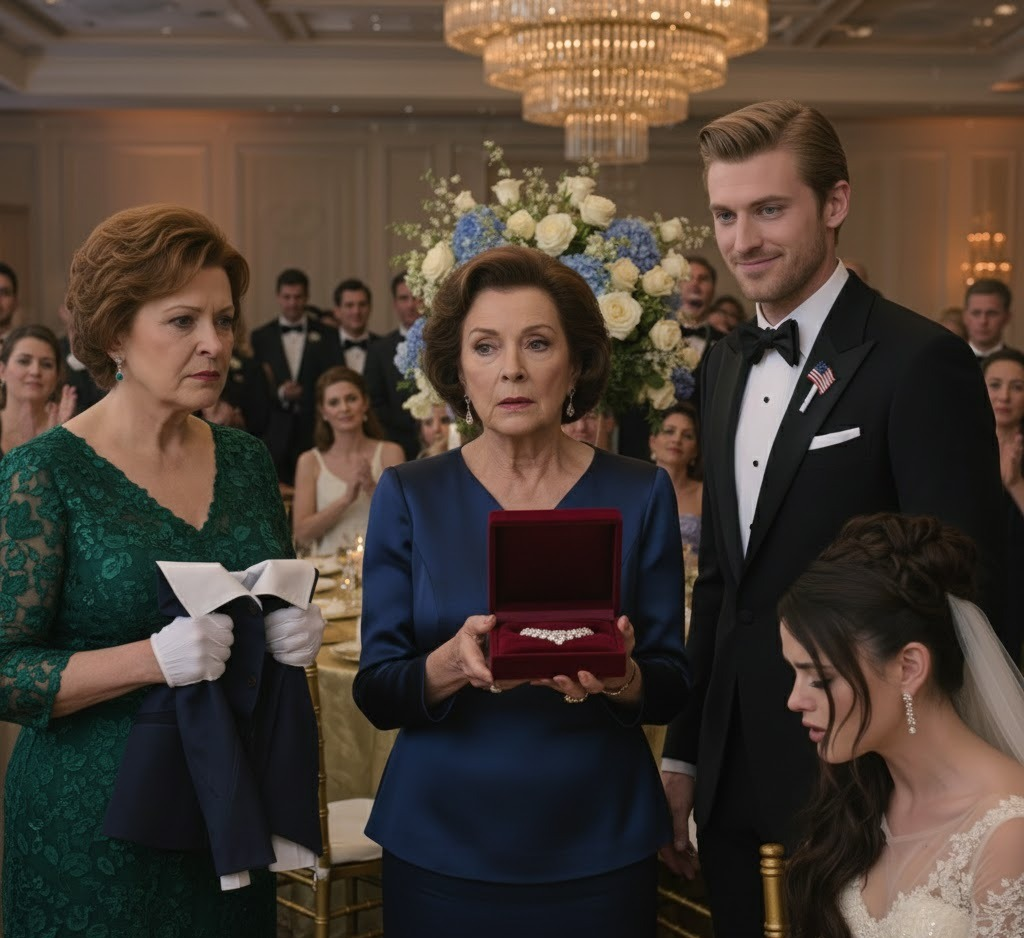
Then came the moment I never expected. The night before the wedding, I arrived at the venue carrying the wedding dress carefully in a dress bag, the list of final payments in my purse, a small box with a mother’s final gift: a locket with her childhood lock of hair. I smiled at my daughter when I saw her, busy adjusting bouquets and greeting vendors. I walked up with cautious excitement and said softly: “Are we ready?” She paused, faced me, eyes blank for a heartbeat — and then cold. She said: “Mom… don’t bring yourself to the wedding.”
The words landed heavy, like stones through glass. My chest stilled. My hand froze on the edge of the dress bag. The air around me seemed to choke. I looked at her — and I didn’t see gratitude, or softness, or love. I saw calculation. I saw a daughter who thought she was owed everything — except the woman who gave it. I heard murmurs behind me — vendors shifting, people watching. I felt betrayal not as shock but as a quiet rupture in my bones.
I didn’t cry. I didn’t shout. I didn’t argue. I turned around slowly, set the dress bag carefully on the chair, and walked away. I walked out of the hall. I walked past the shimmering chandeliers, the arranged flowers, the soft white cloth draping the chairs — all of it meant for a celebration that would no longer include me. Outside, the air was cool against my skin. I closed my eyes and breathed — deep, slow, controlled. I realized something then: a gift — no matter how grand — doesn’t guarantee love, respect, or belonging.
I went home that night instead of to a party. I locked the door softly behind me. I sat in the quiet rooms, empty of music and guests. I touched the locket in its box, traced the edge with trembling fingers, then placed it gently on the shelf. I made myself tea in the kitchen, looking at my reflection in the mug’s surface: a woman who gave everything, but was thrown out with a single phrase. I didn’t weep. I didn’t plead. I simply remembered — maybe for the first time in a long time — that self-worth doesn’t come from gifts you give; it comes from how you treat yourself after gifts are refused.
The next morning I began packing. Not wedding dresses or decorations — but memories. I gathered old photo albums, letters, small tokens: a pair of sandals my daughter once forgot at my house, the scarf I wore on her first birthday, a small wooden box of keepsakes. With slow hands I placed them into a suitcase. I didn’t call her. I didn’t ask for explanation. I didn’t ask for apology. I only closed the suitcase, zipped it tight, and walked out.
I moved to a small apartment — modest, bare, but mine. I walked the quiet streets near an old neighborhood cafe, sat with a cup of black coffee in hand, letting the bitter taste wake me to reality. I touched the table softly, watching the steam rise, then fall. Outside, people laughed, couples walked by, children played — life going on. I existed in the margins, but I existed.
Weeks turned into months. I found small jobs: cleaning on weekends, occasional sewing for neighbors, odd errands — nothing grand, nothing proud, but honest. Every coin I held was mine. Every breath I took was mine. The loneliness stung sometimes — nights when the apartment felt empty, when dreams of what could’ve been haunted my pillows. But I survived. I rebuilt. I learned that dignity is not about who invites you — it’s about whether you stay when no one does.
I started writing letters — not to my daughter, not to family — but to myself. On paper I poured guilt, betrayal, longing, pain. I wrote about dreams I thought were shared; I wrote about shock, anger, regret; I wrote about hope fading slowly, then flickering again. I covered pages with ink and tears. And with each letter I wrote, I felt the ache inside soften, fold into something smaller and quieter — a wound closing slowly, not healed, but managed.
One spring morning I walked to a small park, sat on a bench under a blooming tree, and closed my eyes. I felt sunlight warm my face. I felt wind brush soft along my cheeks. I listened to birds, distant traffic, the rustle of leaves. And I realized: happiness doesn’t always come from celebrations, from grand halls or silk dresses, from gifts or parties. Sometimes happiness is a quiet breath in the morning light, a wish whispered softly to the sky, a choice to keep living with honesty and heart.
I never went to that penthouse. I never sent wedding gifts back. I didn’t ask for refund — nor did I demand apology. I simply erased their address from my phone. I deleted their number. I stepped away. Because I understood that love should not come with conditions. And respect should not be revoked with selfish words.
Now I have a small apartment, a small savings account, a quiet routine. I wake up, open the window, let sunlight spill on bare walls, make tea, stir memories into steam, then walk outside into the world — free of expectations, free of false celebrations, free of belonging to people who love the idea of you — not you.
I don’t pine for what was lost. I don’t wait for their regrets. I don’t carry the gift of the penthouse as treasure — I carry it as memory: of hope, of betrayal, of learning. And I carry this instead: self-respect, inner peace, quiet dignity. Because I know now that the greatest gift I can give — to myself — is to walk away when you’re not welcomed, and walk forward when you still believe in yourself.