I walked out of the notary’s office that afternoon with a light in my chest I hadn’t felt in years. At 71, life had taught me to temper joy with prudence, but when the notary handed me the copies of the will and explained that my late brother — the one who’d always been quietly loyal to family, even when we didn’t deserve it — had left me three apartments and a beach house, I felt something rare and beautiful: pure, unfiltered excitement. I could already picture the laughter around holiday dinners in those apartments, the sound of grandchildren playing on the sand, the comfort of knowing my home and legacy would stretch beyond the walls I lived in now. I couldn’t wait to tell my son and daughter-in-law — to watch their faces light up with pride and gratitude and maybe, just maybe, see a moment of genuine connection spark between us.
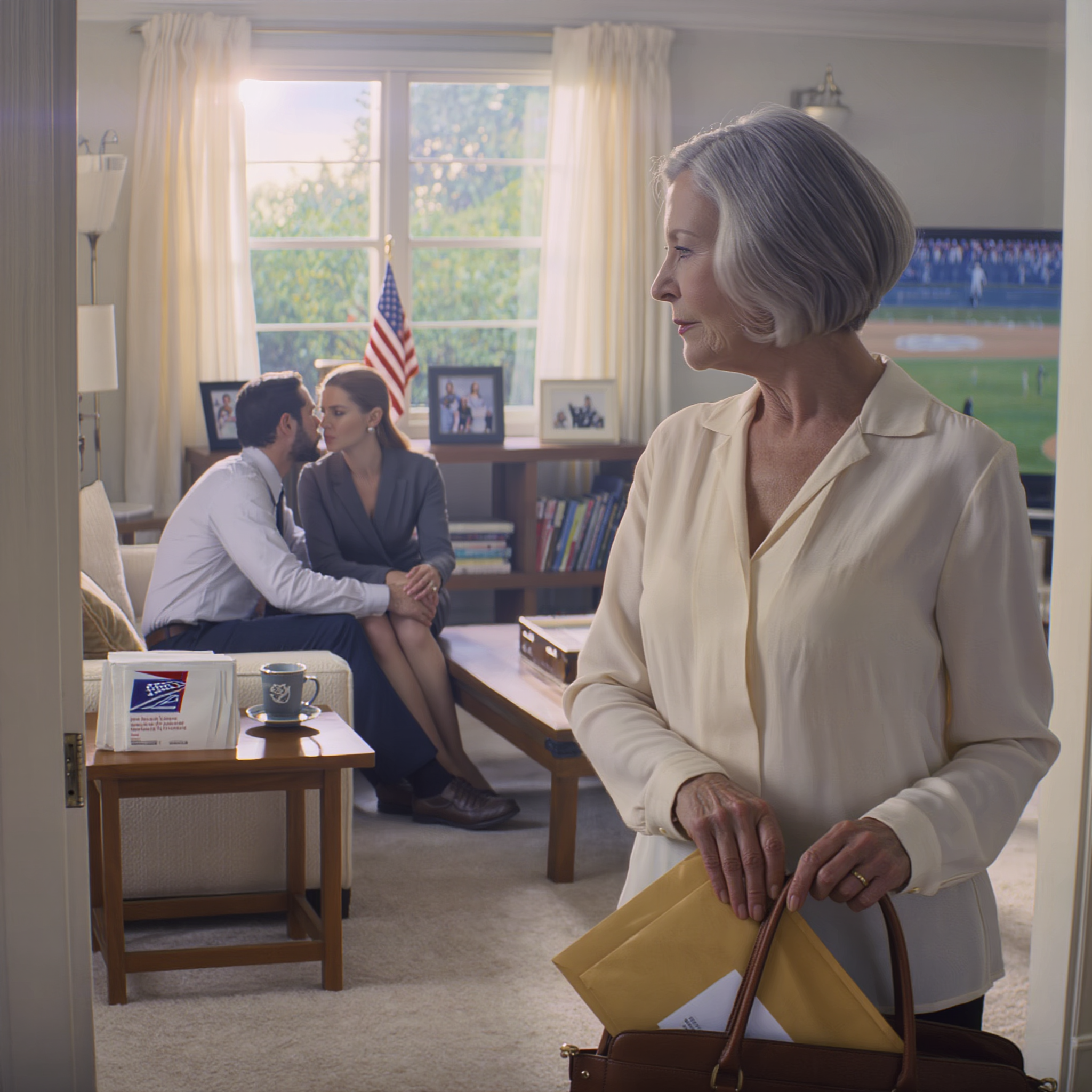
I drove home humming an old tune my mother used to sing, parked in front of the house where I’d raised my children, and walked in with stirring anticipation. That’s when I heard voices — familiar, too familiar — coming from the living room. My heart stuttered not with fear, but with an odd, sinking curiosity I’d learned to recognize as a prelude to disappointment.
“…and if we sell the beach house right away,” my daughter-in-law was saying in that studied, calculated tone I’d heard too many times over the years, “we could use the profits for the kids’ college funds. It would be better than these old apartments that hardly make rent anymore.”
My son chuckled quietly — not warmly, not in disbelief, but in that way people do when they think they’re onto a smart insider strategy. “…I already looked at comps. We could clear a good seven figures if the market holds.”
That was when something inside me didn’t just slip — it snapped quietly, not with dramatic tears or raised voice, but with the gut-deep clarity of someone who had spent a lifetime reading intent rather than words.
I stood in the doorway. They didn’t hear me enter.
For a long moment I just watched — not angry, not hurt, but seen in a way I hadn’t been in years. Their voices weren’t warm. They weren’t excited for me. They were calculating my inheritance before I had even shared a single word about it.
I didn’t yell. I didn’t recoil.
I simply stood there and let the truth settle in my bones:
They weren’t celebrating me.
They were celebrating what they could take.
I walked back to the kitchen, set down my keys, and let the quiet sit beside me like a visitor with no place else to go.
Then I opened the door and said — as calmly as I could, because age has a way of teaching you not to collapse into drama — “I just got home from the notary.”
Their heads snapped up, eyes catching the mix of pride and entitlement that had become our family’s default expression.
I continued, holding the will in my hand like a shield of clarity rather than a weapon: “Your aunt — my brother’s widow — left me three apartments and a beach house. All in my name.”
For a moment, their expressions twisted — not into joy, not into awe, but into rapid mental calculation. They didn’t say “Congratulations, Mom!” They said things like:
“Oh, that’s… interesting.”
“So, uh… what are you thinking of doing with them?”
“Did he say why he chose you?”
Notice what they weren’t saying: “We’re glad for you.”
Their language was already choreographed toward assets, profits, and plans.
And that — more than any words they spoke — told me something urgent and undeniable:
They weren’t interested in my joy. They were interested in their share of it.
So I did something I hadn’t done in a long time: I paused, breathed, and looked them in the eye — not with accusation, not with bitterness, but with quiet clarity:
“The inheritance is mine — just as it was left to me. I appreciate your concern, but I am choosing what I want to do with these properties.”
My son’s jaw flickered — not with guilt, but with irritation. My daughter-in-law leaned in as though she was ready to negotiate a business deal rather than celebrate the milestone of someone’s life.
And that’s when it hit me:
This moment wasn’t about a beach house or apartments.
It was about who they think I am — and it was time they saw who I actually am.
I continued, softly but firmly: “I earned every penny of my life. I worked, I saved, I invested. I am very grateful for what my brother left me, but I am not obligated to hand over pieces of it to anyone just because you think that’s what should happen.”
There was a silence then — not the awkward kind, but the real kind, where unspoken truths finally find space in a room between people who’ve been pretending everything was okay for too long.
Finally my daughter-in-law said, trying to mask impatience with politeness: “Well, we just want you to think smart…”
I cut in, slowly and deliberately:
“I have thought smart my entire life. And now I choose for me. Not for profit. Not for convenience. Not for entitlement.”
They didn’t erupt.
They didn’t apologize.
They didn’t immediately understand.
But here’s what I realized as I walked away from that conversation — not in defeat, but in clarity:
Your worth is not measured by what others expect you to give,
but by what you choose to keep for yourself.
Not in greed —
but in self-respect.
Later that night I stood on my porch looking at the setting sun — the same sun that had watched over my life for seven decades — and I felt something I hadn’t felt in years: belonging to myself. Not dependent on validation, not filtered through someone else’s desires or strategic calculations, just whole and undiminished.
I didn’t decide about the beach house that night.
I didn’t need to.
I decided about me.
And that — more than any inheritance —
is what real legacy feels like.