The Professional Caretaker’s Greatest Failure
For four decades, I walked the sterile, white-tiled corridors of one of Boston’s busiest hospitals. As a trauma nurse, I have seen the very best and the absolute worst of humanity. I have held the hands of dying strangers, comforted parents in their darkest hours, and managed the chaotic intersection of life and death with a steady hand and a calm voice. I thought that forty years on the front lines of healthcare had made me an expert on human nature. I believed I could spot a liar, a predator, or a fraud from across a crowded ER. But I was blind to the one person who mattered most. I never realized that the daughter I had raised, Claire, was a woman who saw my decades of service not as a legacy of compassion, but as a bank account to be raided. I had spent my life caring for others, only to find that when it was my turn to be the patient, I was nothing more than a “burden” standing in the way of a real estate transaction.
The trouble began six months ago when I underwent a major spinal surgery—the result of forty years of lifting patients and standing on concrete floors. My husband passed away five years ago, leaving me the deed to our beautiful triple-decker in South Boston, a property that had tripled in value since we bought it in the eighties. Claire and her husband, Steve, suggested I sell my home and move into the “in-law suite” of the new house they were buying in the suburbs. “You’ll need help with recovery, Mom,” Claire had said, her voice dripping with a sweetness I now know was synthetic. “We want to take care of you. We’re family.” In my post-surgical fog and my desire to be near my grandchildren, I agreed. I sold my “Southie” gem, handed Claire a significant portion of the proceeds to “help with their down payment,” and moved into their basement apartment. I thought I was buying into a circle of love; I didn’t realize I was funding my own imprisonment.
The “care” Claire promised vanished the moment the moving trucks were gone. Within two weeks of my surgery, the atmosphere in the house changed from welcoming to hostile. Claire and Steve stopped checking on me. The “in-law suite” was really just a finished basement with poor ventilation and steep stairs that were a nightmare for my recovering back. They would leave for the weekend without checking if I had groceries or if I could manage my physical therapy exercises. I was a retired nurse, a woman who had managed entire floors of a hospital, and I was suddenly reduced to a nuisance who was “taking up space” in a house I had largely paid for.
The Night I Had to Crawl
The breaking point came on a rainy Tuesday night, three weeks after I returned from the hospital. My surgical site was throbbing, and I had a fever that was making my head swim. I had run out of water in my small kitchenette, and my pain medication was sitting on the counter in the main kitchen upstairs. I had called Claire’s cell phone four times, but she had silenced my calls. I could hear the muffled sounds of the television and their laughter coming through the floorboards above me. They weren’t busy; they were simply ignoring me.
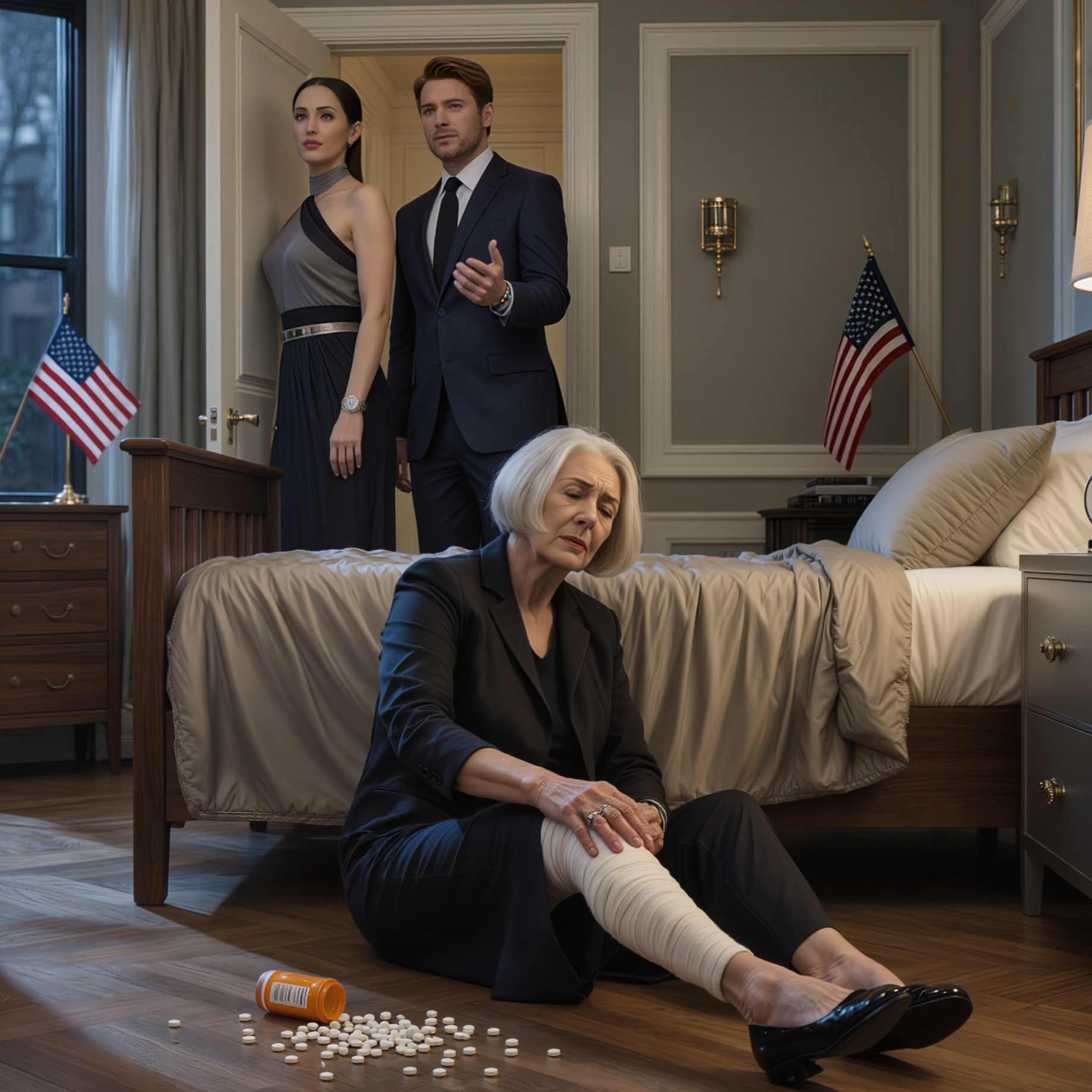
Desperation eventually overcame my pride. I realized that if I didn’t get my medication and some fluids, I was going to end up back in the ER. Because I couldn’t stand for more than a few seconds, I was forced to drop to my hands and knees. I crawled across the basement floor, my teeth gritted against the white-hot agony in my spine. I dragged myself up the basement stairs, one grueling step at a time, my breath coming in ragged gasps. When I finally pushed open the door to the main kitchen, I found Claire and Steve sitting at the island, drinking expensive wine and scrolling through Zillow.
They didn’t jump up to help me. They didn’t gasp in horror at the sight of a sixty-five-year-old woman crawling on their floor. Instead, Claire sighed—a heavy, theatrical sound of pure annoyance. “Honestly, Mom, do you have to be so dramatic? We’re trying to have a quiet evening. You’re always needing something. It’s exhausting.” I looked up at her from the floor, my vision blurred by tears. “Claire, I have a fever. I can’t walk. I needed my meds.” Steve didn’t even look away from his phone. “Maybe you should have thought about that before you got old, Diane. We have a life, too.”
The Truth Behind the “In-Law Suite”
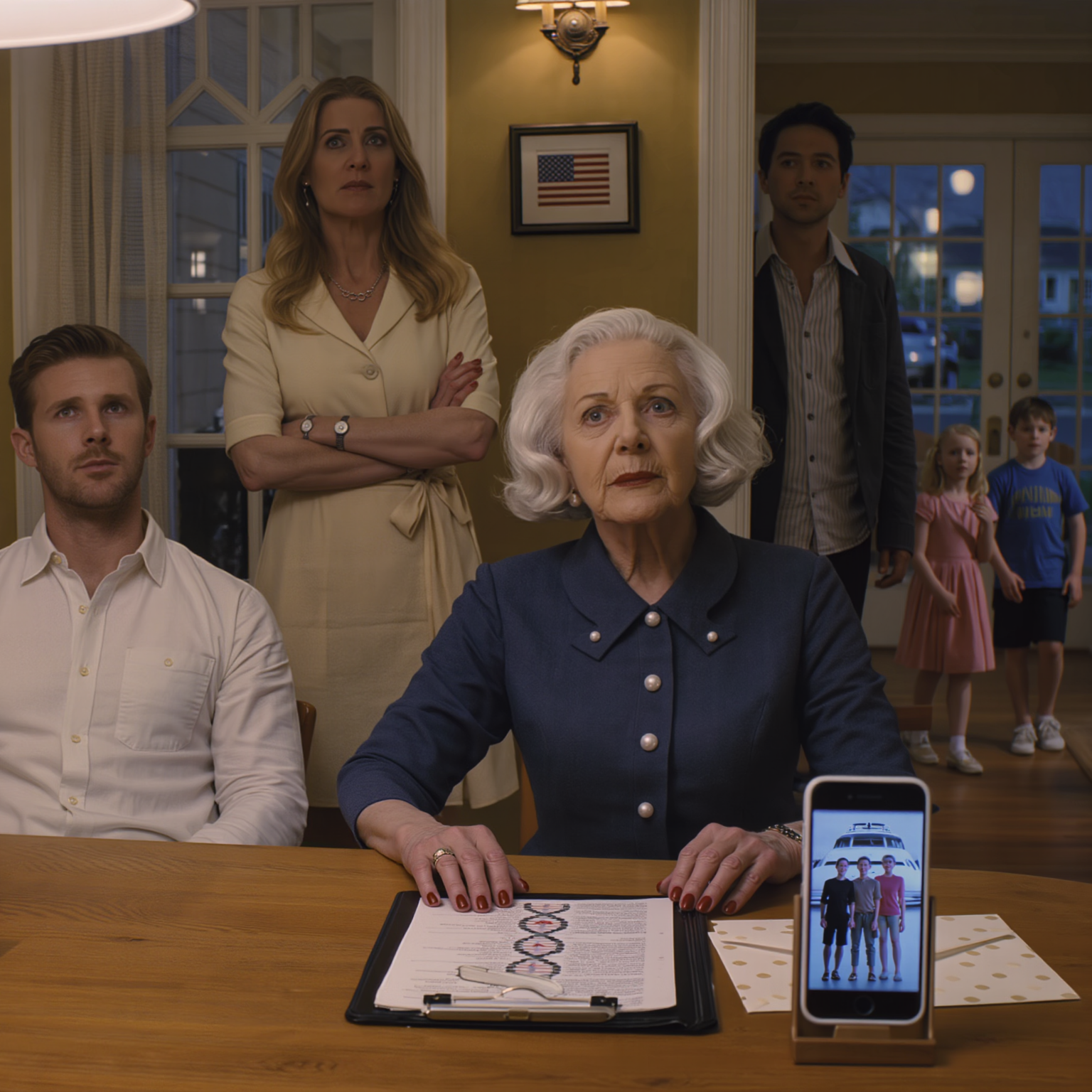
I managed to pull myself into a chair, my heart racing with a mixture of fever and fury. “I don’t understand,” I whispered. “You told me you wanted to take care of me. You said we were family.” Claire laughed, a cold, sharp sound that finally broke the last of my maternal delusions. “Family? Mom, be real. We only took you in for the house! We needed your Southie money to close on this place. We didn’t actually want a permanent roommate who can’t even make it up the stairs. We figured you’d be in a home by next year anyway, and then we’d have the whole place to ourselves. You’re just a means to an end.”
The silence that followed was the loudest thing I had ever heard. In forty years of nursing, I had seen people at their most selfish, but I had never seen anything as hollow as the look in my daughter’s eyes. She didn’t see me as the woman who had worked double shifts to pay for her college, or the woman who had held her through her first heartbreak. She saw me as a mortgage payment. I realized then that my recovery wasn’t going to happen in this house. If I stayed here, I would wither away, a forgotten ghost in a basement.
The Nurse’s Strategic Exit
I didn’t argue with her that night. I took my medication, drank my water, and crawled back down to my room. But the next morning, the fever had broken, and the “Trauma Nurse” in me had taken over. I realized that while Claire had my money, I still had my brain. And I had one very important thing she hadn’t considered: the legal structure of our “co-living” agreement. When I gave her the money for the down payment, I hadn’t given it as a gift. On the advice of an old friend from the hospital who was now an estate attorney, I had structured the $300,000 as a “Demand Loan” secured by a lien on the property. I had told Claire it was just “for tax purposes,” and she had been too greedy and too arrogant to read the fine print.
I spent the next forty-eight hours on my laptop. I didn’t ask Claire for anything. I ordered my groceries online and had them delivered to the basement door. I called a private medical transport company. And I called my lawyer. “She wants me out?” I told him. “Fine. But she’s going to pay for the privilege.” By Friday morning, while Claire and Steve were at work, the medical transport arrived. I moved into a high-end assisted living facility—a place that looked like a five-star hotel, with 24-hour nursing care and a physical therapy suite that was world-class. It was expensive, but I knew exactly how I was going to pay for it.
The Reckoning of the Demand Loan
The following Monday, Claire received a formal legal notice. Since I was no longer living in the “in-law suite” provided as part of our verbal agreement, the $300,000 “Demand Loan” was now due in full within thirty days. The notice also informed her that I was suing for “elder neglect” based on the security camera footage I had recorded on my phone the night I was forced to crawl for my medication. (I had forgotten that I’d set up a small nanny-cam in the kitchen weeks earlier when I suspected Steve was stealing my prescription pain meds).
The calls from Claire were no longer annoyed; they were hysterical. “Mom! You can’t do this! We don’t have $300,000! We spent it on the house and the new cars! If you call in this loan, we’ll lose everything!” I answered the phone for the first and last time. “Claire,” I said, my voice as professional and detached as if I were giving a shift report. “You told me it was just math. You said I was a means to an end. Well, the math has changed. You wanted your ‘peace’ and your ‘aesthetic,’ and now you have it. You just don’t have my money. I spent forty years taking care of people who deserved it. I’m finally going to start taking care of the only person who hasn’t been looked after: myself. Talk to my lawyer.”
The Peace of a Life Reclaimed
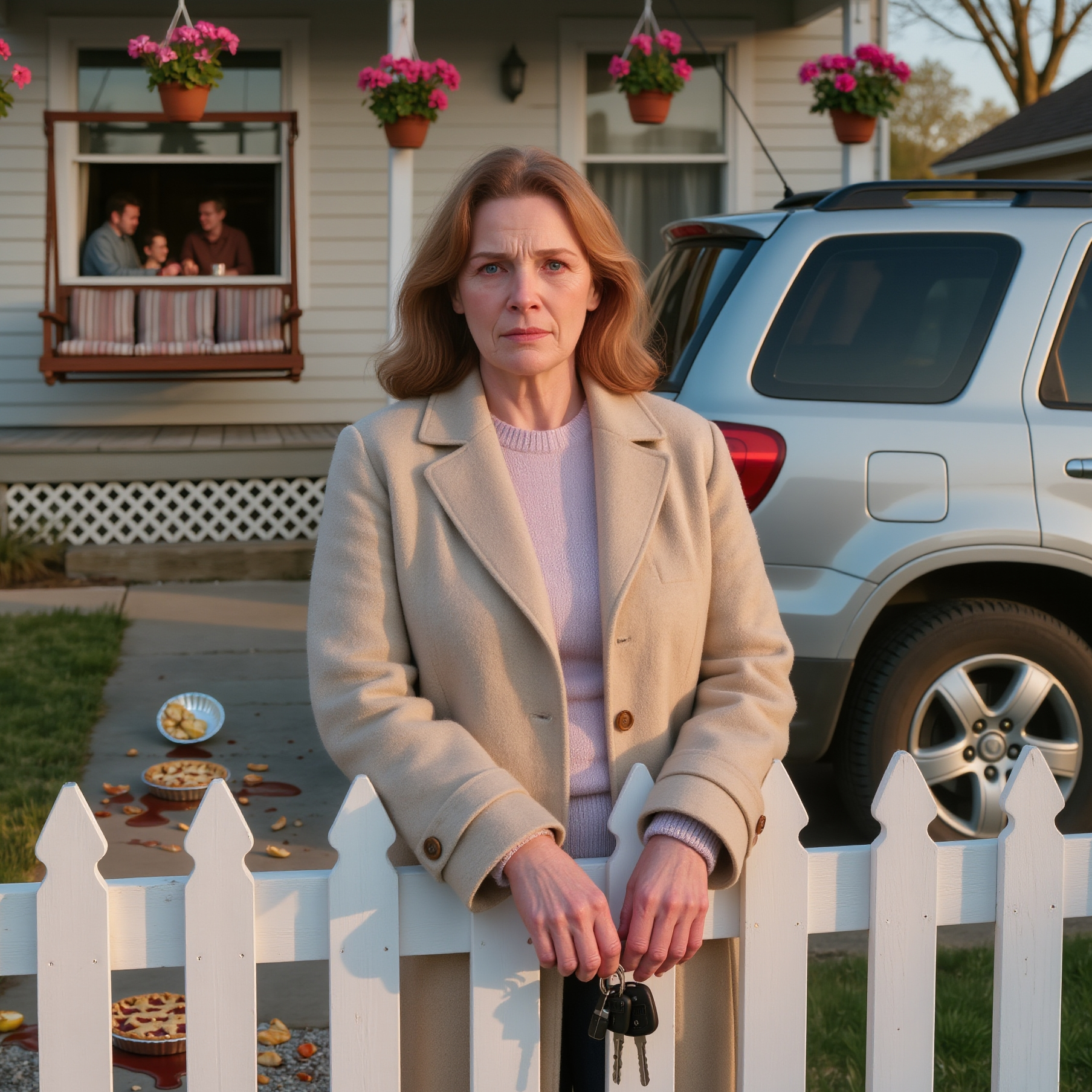
Claire and Steve were forced to sell the house at a loss to pay back the loan. They are currently living in a small, two-bedroom apartment, the very kind of “burdened” life Claire was so afraid of. I am thriving in my new community. My back is healing, I have friends who check on me because they actually like me, and I spend my days volunteering at a local clinic, teaching the next generation of nurses that the most important patient they will ever have is themselves. I learned that being a nurse is about more than just medicine; it’s about knowing when a situation is terminal and having the courage to walk away. I may have crawled to get my meds, but I walked away with my life.