The Two-Year Exile
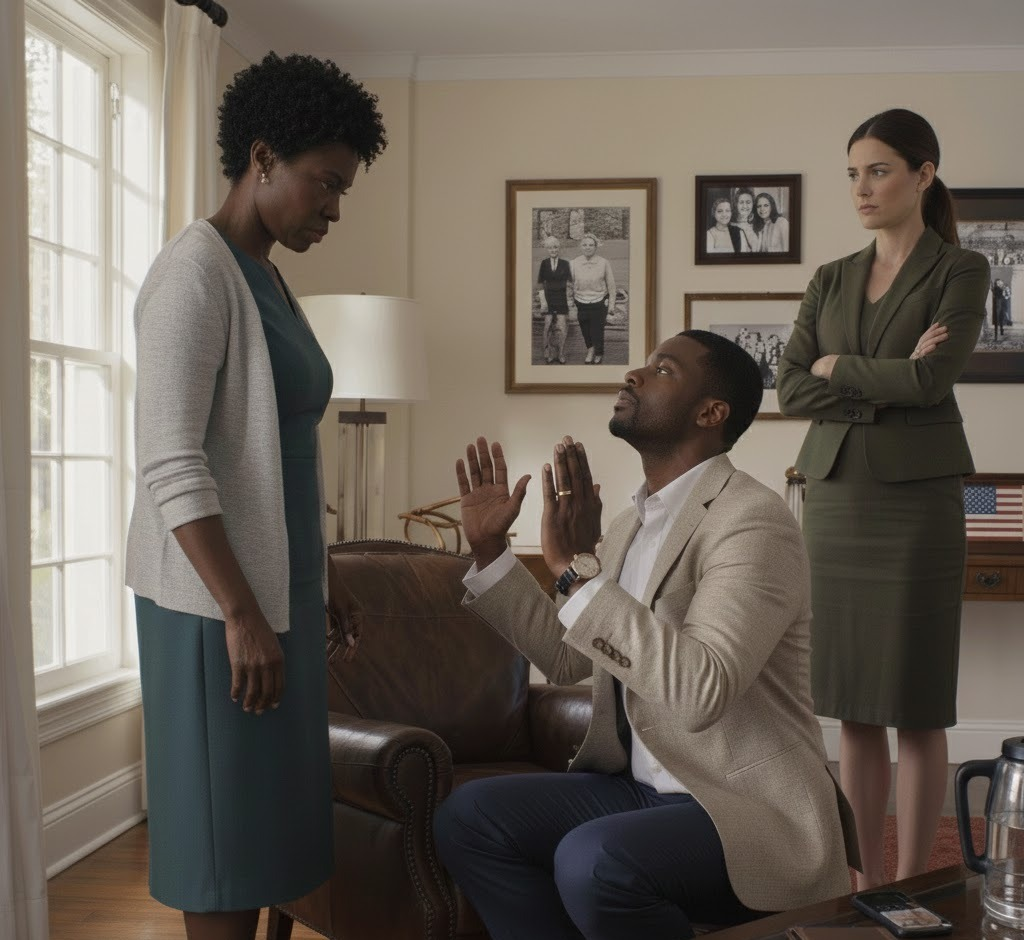
For two years, I was a pariah in my own community and a villain in the eyes of my family. It began with a tragedy that should have brought us together: my daughter-in-law, Chloe, suffered a late-term pregnancy loss. It was a devastating blow, but before the grief could even settle, my son, Julian, turned that pain into a weapon. He claimed that a heated argument we’d had over company finances had caused Chloe so much stress that it led to the tragedy. He didn’t just tell the family; he filed a massive civil suit against me for “intentional infliction of emotional distress,” seeking millions of dollars—coincidentally, the exact amount missing from the company’s expansion fund.
I was the founder of Miller Tech, a firm I had spent thirty years building from a garage startup into a regional powerhouse. Julian was my CFO, the man I trusted with every cent. When the audit first showed discrepancies, I approached him privately. That was the “argument” he twisted into a lethal accusation. For twenty-four months, I sat in courtrooms and depositions, watching my son weep on the stand about how my “greed” had killed his child. My other children stopped calling. My friends disappeared. I was forced to step down from my own board. I was a broken woman, living in the shadow of a lie that was so monstrous no one dared to question it.
The Shadow of the CFO
Julian’s performance was flawless. He portrayed himself as the grieving father and the protective husband, while painting me as the cold, corporate matriarch who valued spreadsheets over her own grandchild. The legal fees were draining my personal savings, but the emotional cost was higher. I began to doubt my own memory of that afternoon. Did I raise my voice too loud? Was I too harsh about the missing $2.4 million?
The lawsuit was designed to do two things: bankrupt me so I couldn’t afford a proper forensic audit, and discredit me so thoroughly that any accusations I made about the missing money would look like the desperate lashings of a guilty woman. Julian was winning. The court was leaning toward a massive settlement that would have handed him control of the company. But Julian made one mistake—he assumed I had cleared out the old mahogany desk in the attic of our family summer home.
The Silent Witness in the Attic
Three months ago, while the lawyers were finalizing the settlement papers that would end my career, I went to our old lake house to find some peace. While packing up Julian’s childhood belongings to send to him—a final gesture of a mother’s dying hope—I found a small, silver flash drive taped to the underside of a drawer in his old desk. It was a device I hadn’t seen in years.
When I plugged it into my laptop, I didn’t find family photos. I found a second set of books for Miller Tech. Julian hadn’t just been “siphoning” money; he had created a sophisticated network of shell companies to drain the firm dry. But the most chilling discovery was a series of recorded voice memos. In one, dated two weeks before the “tragedy,” Julian was speaking to a gambling associate. He clearly stated that Chloe’s pregnancy was already in medical trouble due to a genetic issue they had hidden from everyone. He said, “If we play this right, her health scare is the perfect cover for the audit. My mother won’t know what hit her.”
The Architect of a Total Reversal
I didn’t call the family. I didn’t call Julian. I took that flash drive straight to the District Attorney and my new team of forensic investigators. The “pregnancy tragedy” wasn’t caused by an argument; it was a pre-existing medical reality that Julian had cynically exploited to silence me. He had used the death of his own child as a legal shield for his gambling debts and corporate theft.
The day of the final settlement hearing was supposed to be Julian’s coronation. He walked into the courtroom with a smug, somber expression, flanked by his lawyers. I sat across from him, no longer the broken woman he expected. When my attorney stood up, he didn’t talk about emotional distress. He played the voice memo. The silence that followed was the loudest sound I’ve ever heard. I watched Julian’s face go from triumphant to ghostly white in a matter of seconds. He looked at me, and for the first time in two years, he saw the CEO, not the victim.
The Peace of the Hard Truth
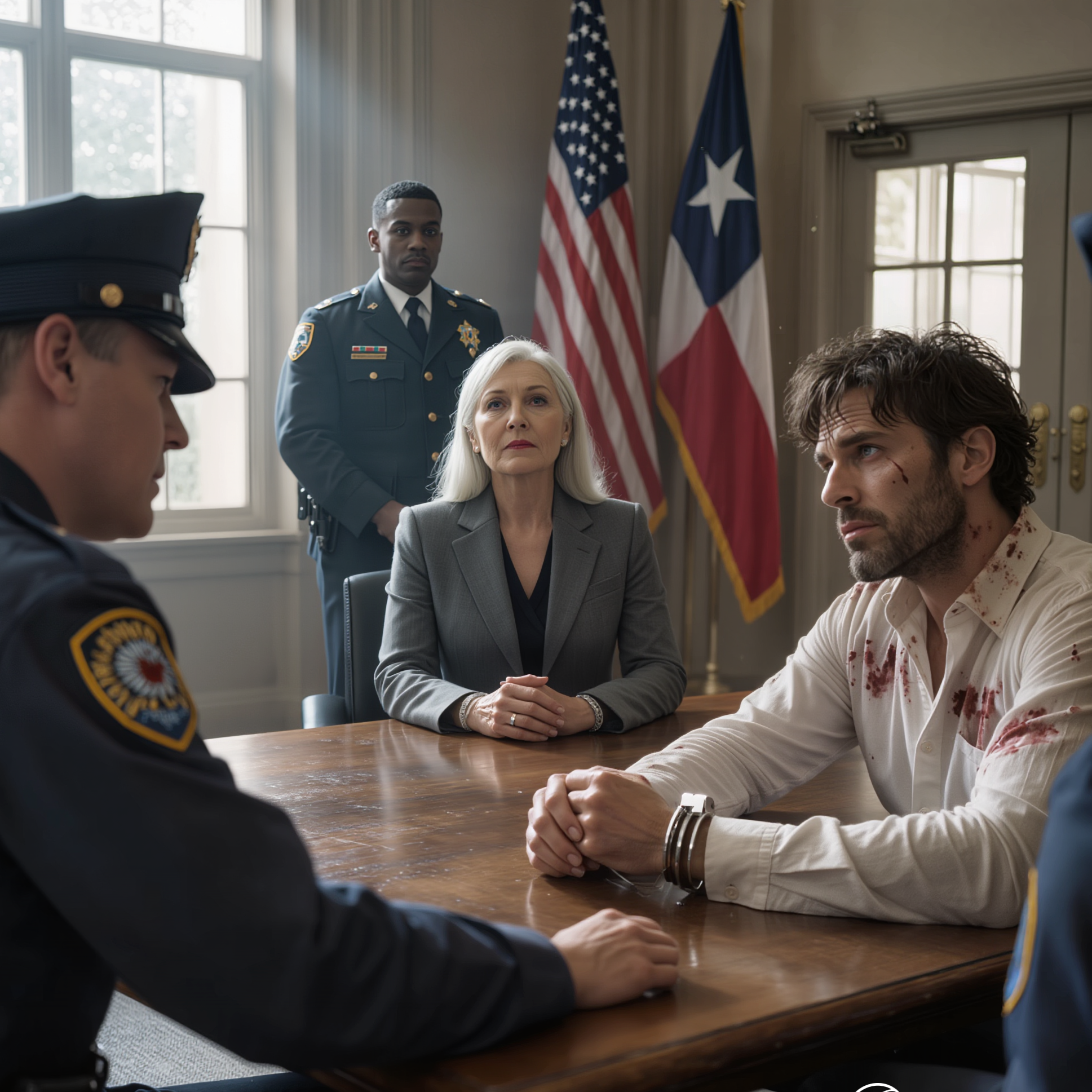
Julian was arrested in the courtroom. He is currently serving twelve years for grand larceny, embezzlement, and insurance fraud. Chloe, who claimed she was unaware of the depths of his deception, has disappeared from our lives. My other children returned with tearful apologies, but the bridge has been burned too badly to cross easily.
I am back at the head of Miller Tech, but the company feels different now. I learned that the most dangerous enemies aren’t the competitors in the market; they’re the ones you shared a dinner table with. Julian pushed me into a nightmare to hide his greed, but he forgot that a mother’s eyes see more than a CFO’s ledger. I’m finally at peace, not because I won the company back, but because I finally know that I wasn’t the monster he tried to make the world believe I was.