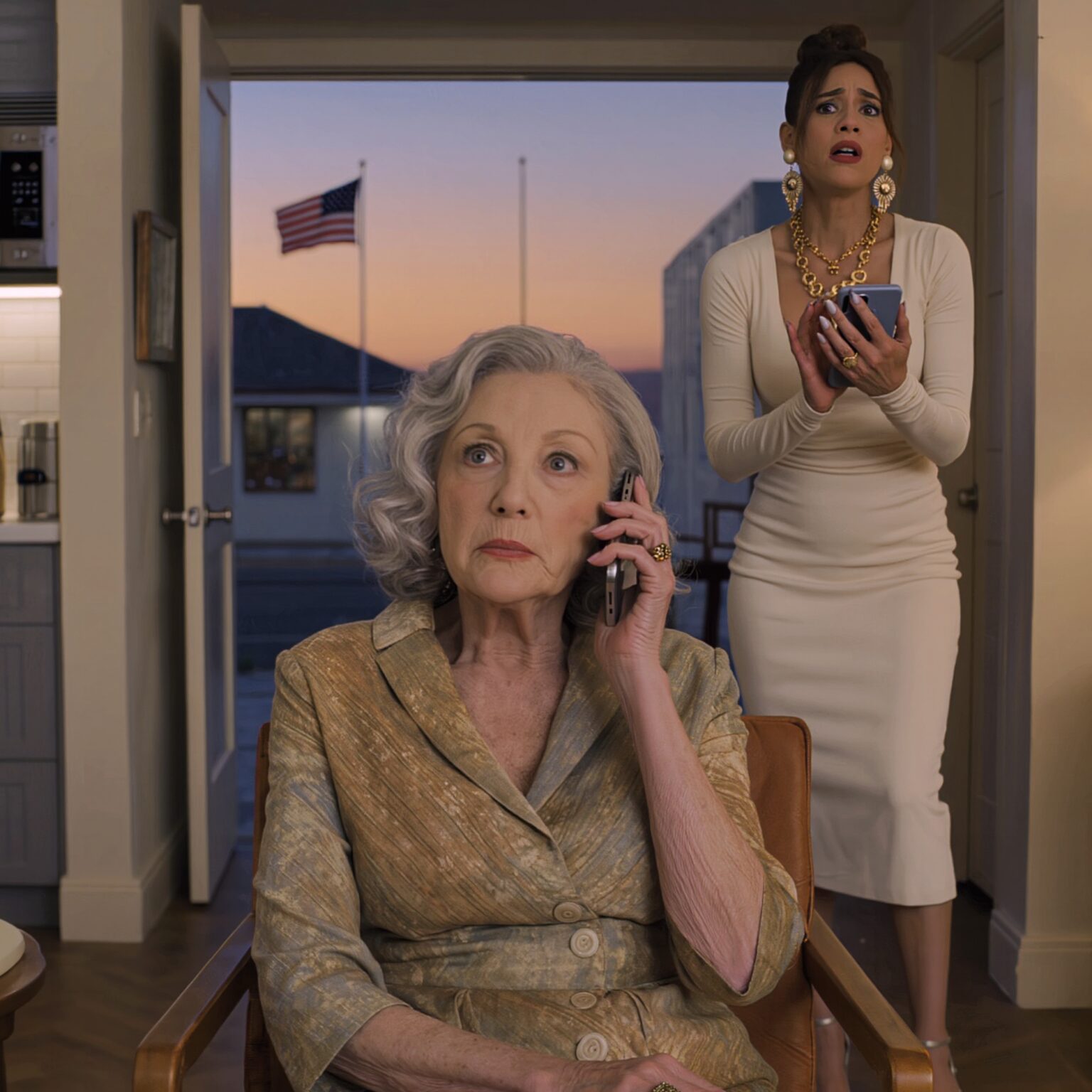
I turned sixty-five believing, foolishly perhaps, that age comes with honor. I polished the silver dishes I hadn’t touched since my husband passed, cooked the meals my family always claimed only I could make, and decorated the dining room with balloons that looked embarrassingly hopeful for someone my age. The cake sat in the center—white frosting, gold candles, a little message that said “You are loved.” Irony is sometimes louder than truth. I set the table for nine, counting each seat slowly, picturing their faces, their laughter, the way they would kiss my cheek and tell me I still looked young, still mattered, still belonged. The clock began its quiet assault—tick, tick, tick—hours not moving, but mocking. One hour. Two. By the third, the food had gone cold, the candles leaned and wilted, and I realized love is sometimes scheduled only when convenient. My phone finally buzzed—not a call, not a message, but a notification from social media, that glowing, cruel world that destroys reality with one posted smile. My daughter-in-law had uploaded a gallery from a luxury cruise deck—champagne glasses, glittering dresses, perfect family poses, ocean sunset, captions about “family time at last” while I sat alone in my decorated dining room holding a fork that no longer felt like cutlery but like humiliation carved in metal. My son showed his pearly smile in those images, my grandchildren holding cotton candy, my daughter-in-law tanning by the pool, all while I sat in silence with untouched plates. That’s when the truth arrived—not in words but in absence. They hadn’t forgotten me. They excluded me. On purpose. A cancellation message thread leaked into my phone by accident from one cousin who didn’t mute the group chat fast enough: “She won’t know. Just say work emergency. Old people sleep early anyway lol.” Funny, wasn’t it? How the woman who nursed them, fed them, paid tuition, doctor bills, threw behind-the-scenes birthday parties to make them shine publicly—now reduced to a negligible obligation, a wrinkle in their expensive schedules. I didn’t cry—not because I am strong but because humiliation dries tears before they even form. Instead, I stood up, blew out the candles alone, and whispered, “Happy birthday to me.” Then something unexpected happened—not magical, not dramatic, but quietly revolutionary. I packed every plate, every roasted dish, every tart and sweet, loaded them into my car, and drove to the elderly care center downtown. They were gathered in the recreation room, watching an old film on a too-small screen. When I arrived with trays of food and balloons, their faces transformed—surprise first, then disbelief, then warmth so real it hurt. They didn’t ask why I came; they simply embraced the fact that I did. We ate together, laughed, sang with cracked voices, off-key, off-rhythm but on-heart. The love was imperfect but present. So wildly present it took my breath away in ways my own blood family no longer could. That night, I realized something brutal and freeing: family is not defined by birth but by presence. Those who showed up, even strangers, even forgotten elders with fading memory and trembling hands—they were more mine than those sun-tanned traitors holding champagne flutes on that cruise. Days later, the cruise photos continued—matching outfits, luxury dinners, diamond nails, captions about “cherishing moments.” My phone remained silent from them, except one message from my son: “Sorry, Mom, we needed a break from everything. You understand.” No. I didn’t. Not anymore. They returned with souvenirs, forced smiles, plastic hugs, and I served them tea not as their mother, but as a hostess to strangers. My daughter-in-law tried complimenting my home, asking if loneliness was “manageable at my stage.” I saw then—she never saw me as a person, just a duty, a box her husband needed occasionally to tick. So I made a decision that tasted like rebirth. I sold the house they took for granted, moved into a smaller coastal apartment with windows that welcomed sunrise, and volunteered weekly at the center where forgotten hearts remember more than blood relatives do. I traveled—not grand cruises with elitist captions but road trips, farmers’ markets, libraries, quiet towns with real smiles and no cameras. I learned to dance without waiting for applause, to celebrate without witnesses, to live without begging for inclusion. My son called less, my daughter-in-law stopped completely, and the grandchildren only remembered when their birthdays required checks. But I had already replaced absence with life. When my sixty-sixth birthday came, the center threw me a surprise party—nothing expensive, nothing curated for online consumption. Just mismatched plates, old records playing, wrinkled hands clapping in joy, and a cake that simply said “Glad you’re here.” That was the difference. My family celebrated themselves on my birthday. These strangers-turned-family celebrated me. I realized then that being alone is not the enemy—being forgotten while still alive is. I stopped chasing seats at their table and built my own, even if it wobbled, even if it was made of borrowed joy. So when I turned sixty-five, no one came. But when I turned sixty-six, I wasn’t waiting. I was already living. And that, more than balloons, cake, or false family portraits, was worth celebrating louder than any cruise on any ocean under any manufactured caption.
They All Canceled My Party, But I Didn’t Cancel My Life