I had always thought that happiness — true, uncomplicated joy — would arrive in the form of good health, laughter around a dinner table, or perhaps the warmth of watching grandchildren run through a garden in summer sunshine. I never expected it to announce itself in the quiet flicker of numbers on a lottery ticket. But there it was: $50 million, the kind of windfall that can rewrite destinies and bury worry under a blanket of possibilities. I stared at the screen in disbelief at first, then with a simmering elation that gently seeped into every corner of my body. And yet, even as I absorbed the surreal reality of my good fortune, the first thing I thought about — not the mansion I could buy, not the vacations I could take, not the investments to secure my future — was something far more urgent and humble: my medicine. It wasn’t glamorous. It wasn’t boastful. I simply needed $10 worth of medication that had become essential to my daily life — something I had once managed to scrape together with saved pennies and careful budgeting.
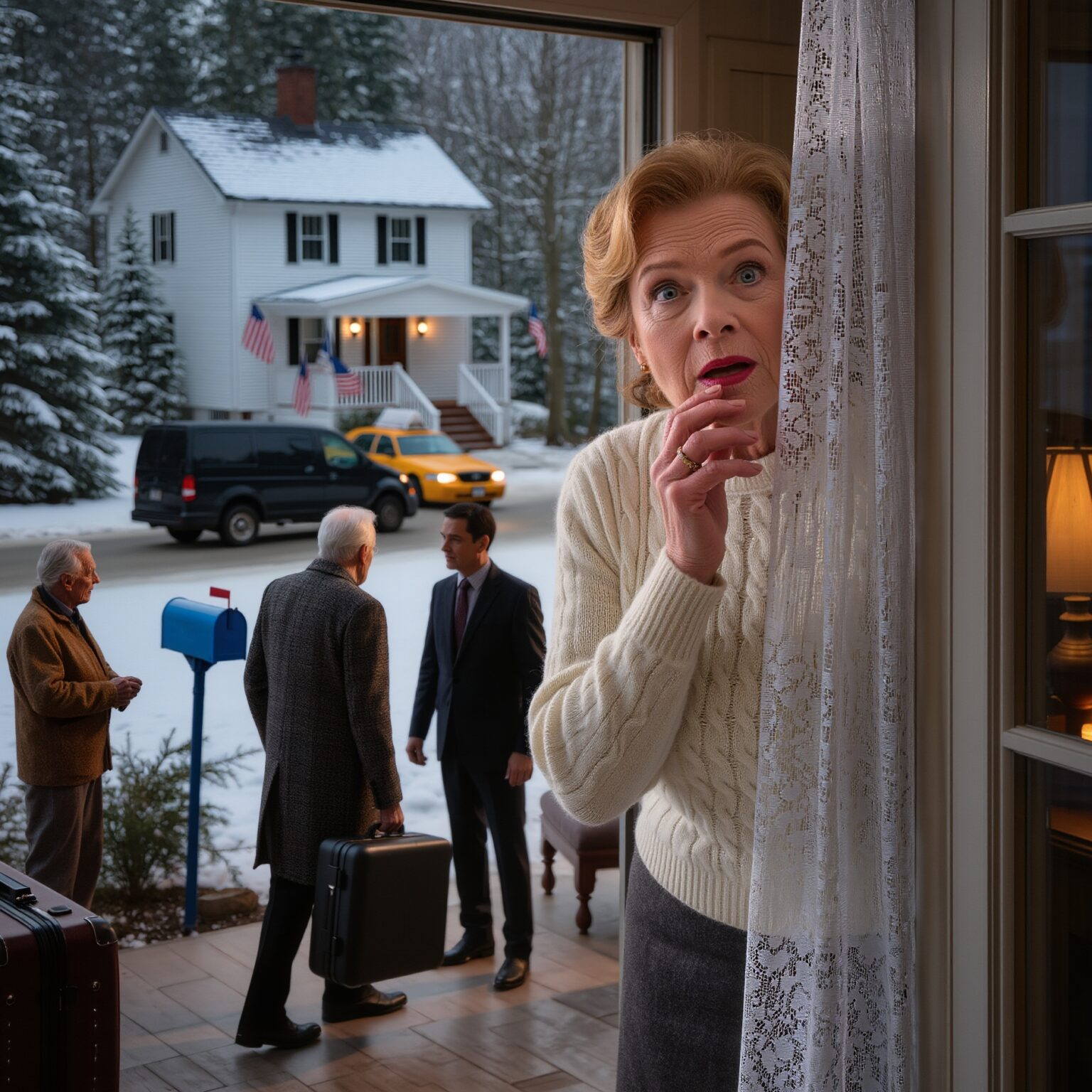
So that afternoon, I went to my son’s house — the same house where I once tucked him into bed as a child, read him stories about heroes and kindness, kissed his forehead with all the love in my heart. I knocked on the familiar door and waited, holding that small piece of humanity in my pocket, the one that cost less than a cup of coffee but meant the world to me. When my son opened the door, I greeted him with a simple, unassuming request: “Could you lend me ten dollars for my medicine? I forgot my wallet.” Nothing ostentatious. Nothing tied to the fact that my bank account was about to swell with millions. Just a humble request from parent to child.
What happened next shattered something in me I didn’t even know was still whole.
My son blinked, looked at me, and then glanced over at his wife as though deciding whether to treat my words as legitimate or laughable. The smile that spread across his face was not warm; it was condescending. My daughter-in-law laughed openly — that kind of laugh that doesn’t even try to hide the ridicule — and said with a sweet, dismissive tone, “Aren’t you tired of always being looked down upon? Why don’t you go get a job like the rest of us?” They both laughed — not gentle amusement, not polite humor, but the sharp, careless laughter of people who think they’re revealing some great truth rather than exposing their own insecurity.
I didn’t argue. I didn’t cry. I didn’t flinch. I simply smiled. Not the put-on smile of someone pretending nothing mattered, but the calm smile of someone who suddenly saw everything for what it really was. Their reaction wasn’t just hurtful — it was enlightening. It revealed a truth I had been afraid to face: they no longer saw me as a person with a lifetime of love and sacrifice behind me. They saw me as a burden. A relic. Something to be laughed at when I spoke of simple needs.
I turned away from the doorway without another word, the warmth of their laughter fading behind me like noise dissolving in an empty room. I didn’t call for apologies. I didn’t wish ill upon them. I simply walked back to my own life — the life I had quietly built with decades of hard work, quiet generosity, and unspoken sacrifices.
Later that evening, I checked my bank account and saw the numbers — real, undeniable, powerful. Fifty million dollars. A life’s dream wrapped in digits. And instead of reveling in that fortune, I felt something far deeper: clarity. I realized that wealth isn’t only measured in money. It’s also measured in self-worth, in the courage to walk away from people who see you only for convenience or ridicule rather than love.
I didn’t post a single word on social media. I didn’t flaunt my win. I simply went to my favorite pharmacy the next day and paid for my medicine — not with borrowed change or hand-me-down coins, but with my own money, the money that belonged to me no matter what anyone else thought. It wasn’t a statement. It was a quiet affirmation: I matter.
Then I did something even more transformative: I started giving. Gifts to friends who had stood by me, donations to causes close to my heart, surprises for people who lived quietly with kindness in their souls. Not to prove anything to those who had laughed — but to honor the parts of the world that recognize dignity without price tags attached.
Weeks passed. My son and his wife reached out — not with concern for my health, not with curiosity about my well-being, but with awkward, indirect questions about money and future plans, as though they had suddenly remembered I might have financial value to them. I didn’t shut the door on them — but I also didn’t reopen my heart to the way it once was. Respect is not something that can be reclaimed by convenience or laughter; it must be earned through consistency, empathy, and kindness. And that is something they had offered neither then nor now.
So I lived my new life in peace. I didn’t buy yachts or mansions. I didn’t flaunt wealth or parade my good fortune. I simply lived — generously, quietly, compassionately — the way I always had, but now with the freedom to choose who I shared my world with.
Because wealth doesn’t give you happiness.
Wealth doesn’t give you respect.
Wealth only gives you choice.
And the greatest choice I ever made wasn’t winning the lottery.
It was choosing to live with dignity even in the face of ridicule —
and discovering that love rooted in kindness is worth far more than millions.